The name Jeep brings to mind images of rugged trails and iconic off-road adventures. But if you’ve wondered who actually owns Jeep today, you’re not alone.
With car brands changing hands and merging over the years, the answer is more complex than many people think. Let’s explore Jeep’s ownership, how it fits into the global auto industry, and what this means for drivers.
Who Owns Jeep Today?
Jeep is owned by Stellantis, a major player in the worldwide automotive industry. Stellantis was formed in January 2021 after the merger of two big companies: Fiat Chrysler Automobiles (FCA) and the French group PSA (Peugeot Société Anonyme). This merger created the world’s fourth-largest automaker by volume.
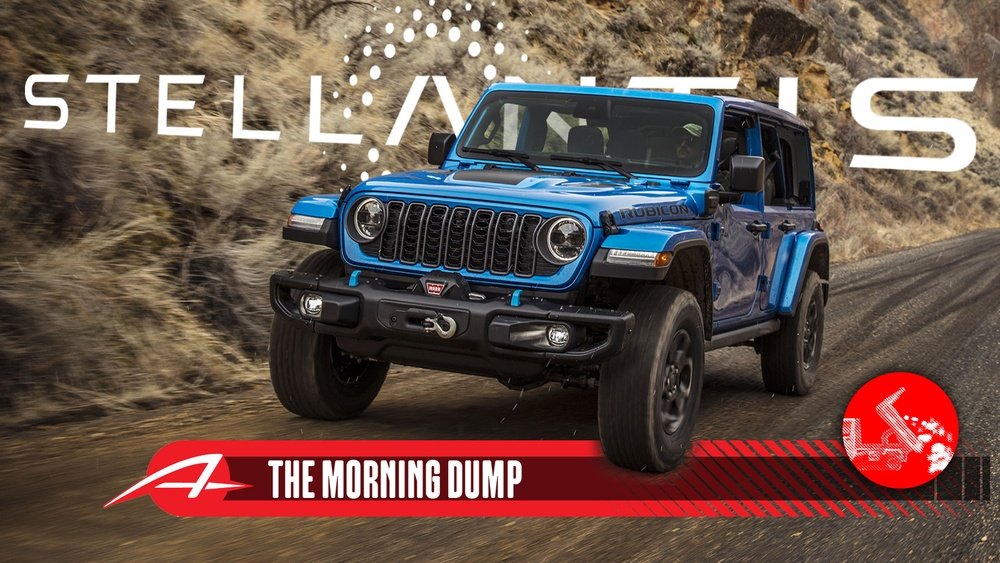
With headquarters in Amsterdam, Stellantis manages many famous car brands, including:
- Jeep
- Chrysler
- Dodge
- Ram
- Fiat
- Peugeot
- Citroën
- Opel
- Alfa Romeo
Jeep is one of Stellantis’ most valuable brands, especially in the United States and growing markets around the globe.
How Jeep Became Part Of Stellantis
To understand how Jeep ended up with Stellantis, it helps to look at its journey through the auto industry. Jeep’s history is full of changes in ownership, each leaving a mark on its development.
| Year | Owner | Key Event |
|---|---|---|
| 1941 | Willys-Overland | First Jeep vehicle made for U.S. Army |
| 1953 | Kaiser Motors | Acquired Willys-Overland |
| 1970 | American Motors (AMC) | Kaiser Jeep acquired by AMC |
| 1987 | Chrysler | Chrysler buys AMC, gets Jeep brand |
| 1998 | DaimlerChrysler | Chrysler merges with Daimler-Benz |
| 2009 | Fiat Chrysler Automobiles (FCA) | Fiat gains control after Chrysler bankruptcy |
| 2021 | Stellantis | Fiat Chrysler and PSA merge |
This timeline shows how Jeep traveled from a small American company to part of a giant international group.
What Stellantis Means For Jeep
Being under Stellantis brings several advantages for Jeep:
- Global Reach: Stellantis has a presence in over 130 countries. This allows Jeep to expand into new markets, especially in Europe and Asia.
- Shared Technology: With access to Stellantis’ research and engineering, Jeep models can use the latest technology and safety features.
- Strong Financial Backing: As part of a large group, Jeep has more resources for innovation and marketing.
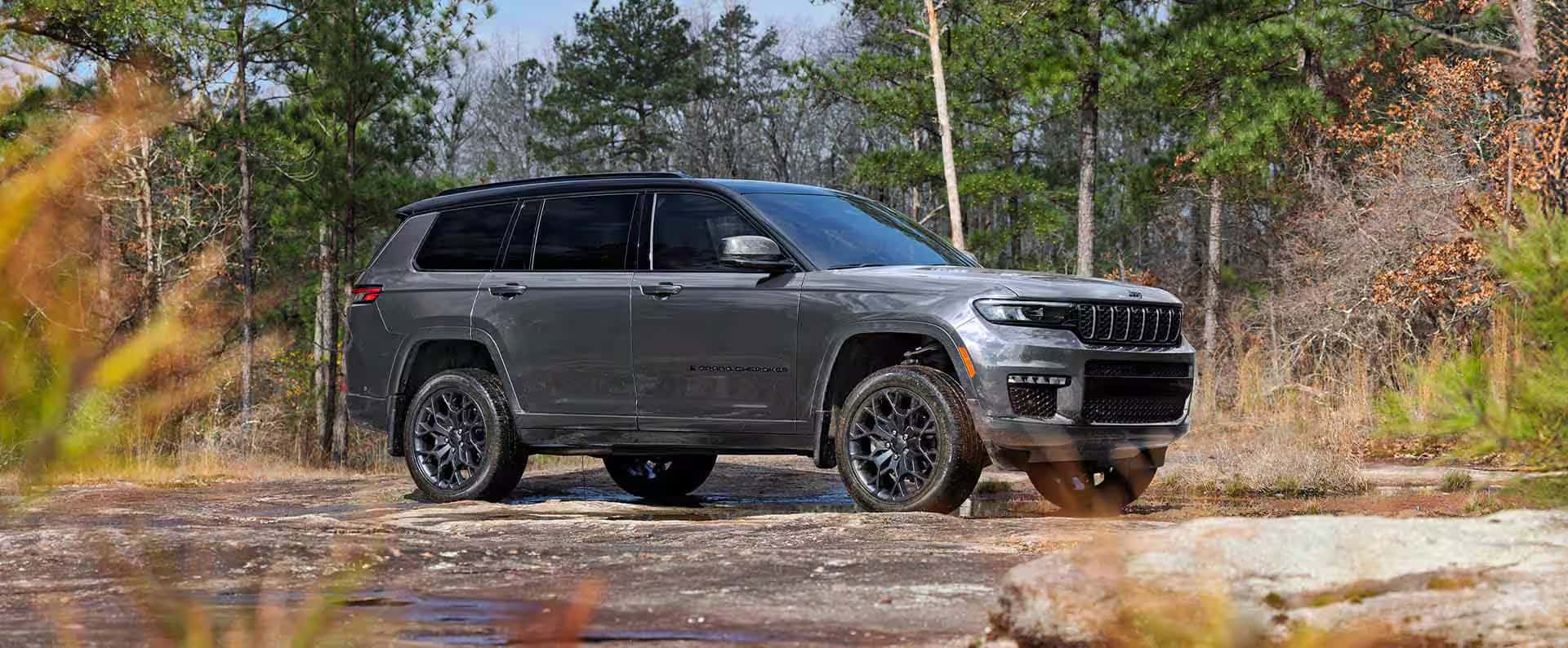
For example, electric and hybrid versions of the Jeep Wrangler and Jeep Grand Cherokee are now possible thanks to Stellantis’ investment in clean technology.
However, there are also challenges. Jeep must keep its unique identity and off-road reputation, even as it shares platforms and parts with other Stellantis brands.
Some buyers worry that too much sharing could make Jeep models feel less “authentic. ”
Jeep’s Position Within Stellantis
How important is Jeep to Stellantis compared to other brands? Jeep is one of the company’s key profit drivers, especially in the US market.
In 2022, Jeep accounted for nearly 40% of Stellantis’ North American sales.
Here’s a comparison of major Stellantis brands by global vehicle sales (2022 data):
| Brand | Approximate Units Sold | Main Markets |
|---|---|---|
| Jeep | 1.2 million | US, Europe, Asia |
| Peugeot | 1.1 million | Europe, Africa |
| Fiat | 1.0 million | Europe, South America |
| Citroën | 800,000 | Europe |
| Ram | 650,000 | US, Canada |
This data shows Jeep’s strong position, especially outside Europe where brands like Peugeot and Citroën are more dominant.
How Jeep’s Ownership Affects Buyers
For most people buying a Jeep, the name on the parent company matters less than the features of the vehicle. But ownership does have real effects:
- Warranty and Service: Stellantis provides wide support for Jeep vehicles, with dealerships and parts available globally.
- Model Choices: Expect more hybrid and electric Jeeps as Stellantis pushes for greener cars.
- Design Changes: Some Jeeps now share parts with other Stellantis models, which can lower costs but may change the driving feel.
One insight many buyers miss: Stellantis’ shared engineering can improve reliability across brands. For example, transmission and electronics in new Jeeps often come from proven Stellantis designs used in Peugeot and Citroën vehicles.
Another point: Jeep’s global sales success helps keep resale values high, especially in markets where the brand is growing.
The Bigger Picture: Stellantis And The Modern Auto Market
Stellantis is one of several massive car groups reshaping the global market. Others include Toyota, Volkswagen Group, and General Motors. These groups control dozens of brands and often share parts, technology, and platforms.
Here’s a quick look at the world’s largest car makers by 2022 vehicle production:
| Group | Units Produced | Notable Brands |
|---|---|---|
| Toyota | 10.4 million | Toyota, Lexus |
| Volkswagen Group | 8.3 million | VW, Audi, Porsche |
| Hyundai-Kia | 6.8 million | Hyundai, Kia |
| Stellantis | 6.0 million | Jeep, Peugeot, Fiat |
| General Motors | 5.9 million | Chevrolet, GMC, Cadillac |
This structure gives brands like Jeep the support and resources to stay competitive, even as the auto world moves quickly toward electric vehicles and new driving technology. For more details on Stellantis, check the official Stellantis Wikipedia page.

Frequently Asked Questions
Is Jeep Still An American Company?
Jeep’s roots are American, but it is now owned by Stellantis, a multinational group with headquarters in Amsterdam. The main Jeep factories are still in the US.
When Did Stellantis Acquire Jeep?
Stellantis became Jeep’s owner in January 2021, after the merger of Fiat Chrysler Automobiles and PSA Group.
Are Jeep Vehicles Made Outside The Us?
Yes. While many Jeeps are made in the US, Stellantis also builds Jeep models in Italy, Brazil, China, and India to serve local markets.
Does Stellantis Own Other American Brands?
Yes. Besides Jeep, Stellantis owns Chrysler, Dodge, and Ram, which are all strong American brands.
Will Jeep Models Change Under Stellantis?
Some changes are happening, like more electrified models and shared technology. However, Stellantis has promised to keep Jeep’s unique off-road character.
The story of Jeep’s ownership shows how global and complex the car industry has become. As part of Stellantis, Jeep has the tools to keep growing and innovating, while still honoring its adventurous spirit.
If you’re considering a Jeep, you can expect the brand to remain strong and forward-looking for years to come.



















