Is Jeep Manufactured In India?
For many car lovers, the Jeep brand means adventure and rugged style. But when you see a Jeep on Indian roads, you might wonder: Is it really made in India, or is it imported?
This question is important not only for buyers but also for those interested in India's growing auto industry. Today, the answer is more interesting than you may expect.
Jeep’s Entry Into The Indian Market
Jeep, owned by Stellantis, entered India in 2016. Before that, Jeep vehicles were mostly imported and rare. The brand saw huge potential in India’s SUV market. With rising demand for SUVs and competitive prices, Jeep decided to start local production.
Jeep Manufacturing In India
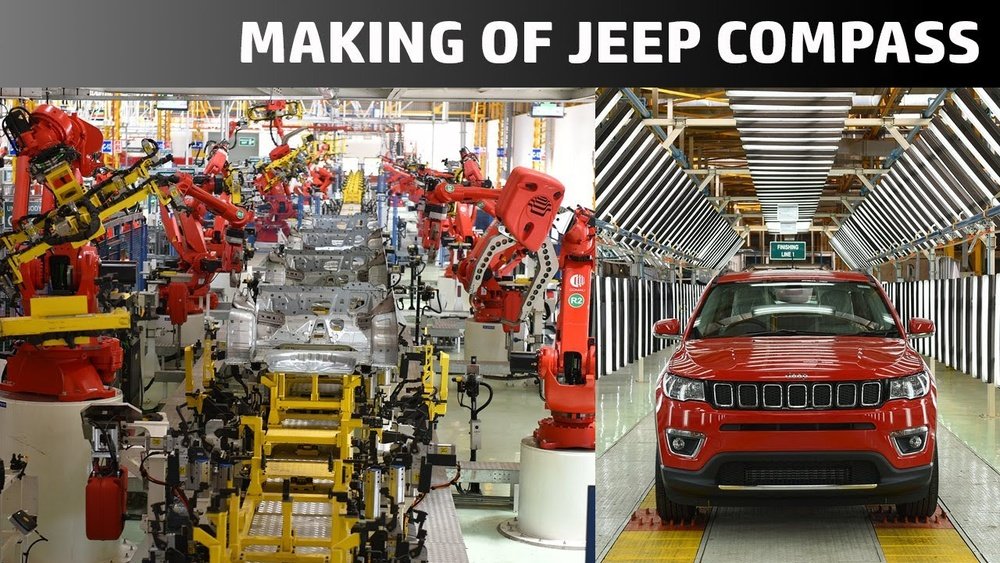
Jeep set up its manufacturing plant in Ranjangaon, Maharashtra. This facility is a joint venture between Fiat India Automobiles and Tata Motors. The plant covers over 200 acres and is equipped with modern technology.
Models Manufactured In India
The Ranjangaon plant produces several Jeep models:
- Jeep Compass: The first Jeep to be locally produced in India.
- Jeep Meridian: A three-row SUV made for Indian families.
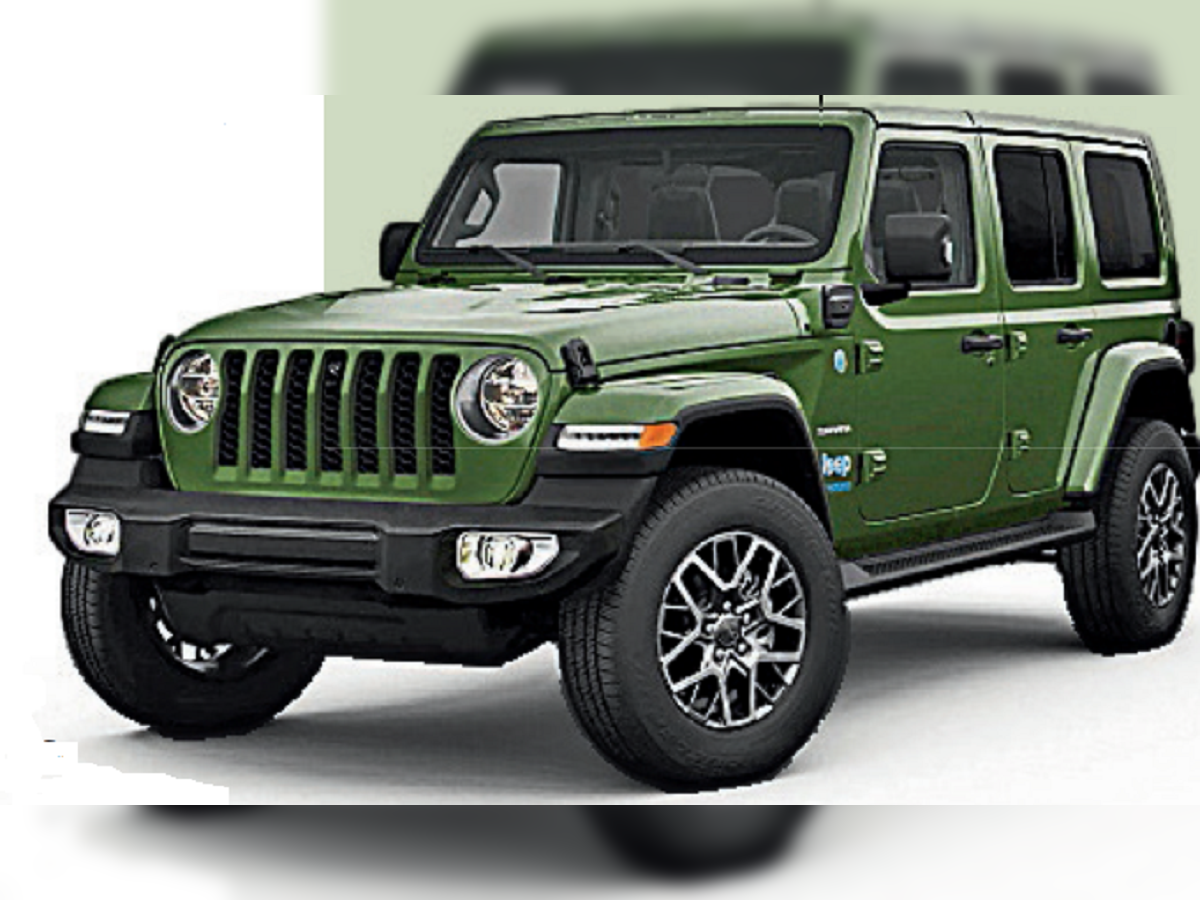
- Jeep Wrangler: Initially imported, now assembled in India.
Other models like Jeep Grand Cherokee are also assembled, but not fully manufactured.
Production Numbers And Scale
The plant’s capacity is around 200,000 units per year. Jeep Compass is the most popular, with over 50,000 units sold in the first two years. Export is also significant; India exports Jeep Compass to more than 20 countries, including Japan and Australia.
Why Jeep Manufactures In India
There are several reasons why Jeep shifted production to India:
- Cost Savings: Local manufacturing reduces import taxes, making Jeeps more affordable.
- Market Demand: India’s SUV market is growing fast.
- Government Policies: The Indian government encourages local manufacturing.
- Export Opportunities: India serves as a hub for exporting Jeeps to other regions.
Jeep’s strategy allows it to compete with other brands like Tata, Mahindra, and Hyundai.
Local Vs Imported Jeeps: What’s The Difference?
Many buyers worry about the quality of local Jeeps compared to imported ones. Let’s compare them:
| Feature | Locally Manufactured | Imported |
|---|---|---|
| Price | Lower (due to less tax) | Higher (import duty applied) |
| Delivery Time | Faster | Slower |
| Customization | More options | Limited |
| Quality | Similar standards | Original global standards |
Most buyers find locally manufactured Jeeps offer excellent value and quality.
Jeep’s Impact On India’s Auto Industry
Jeep’s decision to manufacture in India has changed the industry in several ways:
- Created thousands of jobs in Maharashtra.
- Improved local supply chains for auto parts.
- Raised standards for safety and quality.
- Made India a global export center for SUVs.
Jeep also invests in training workers, bringing international production methods.
How Jeep Quality Is Maintained
Many people think local manufacturing means lower quality. That’s not true for Jeep. The company uses strict quality checks:
- Global Standards: The Ranjangaon plant follows the same procedures as in the US.
- Advanced Robotics: Machines ensure precision and consistency.
- Regular Audits: Jeep conducts inspections every month.
This approach gives buyers confidence in locally made Jeeps.
Comparing Jeep With Other Suv Brands In India
Jeep faces tough competition in India. Here’s how it stacks up against other popular SUV brands:
| Brand | Popular Model | Price Range (₹) | Manufacturing Location |
|---|---|---|---|
| Jeep | Compass | 18-32 lakh | Ranjangaon, Maharashtra |
| Mahindra | XUV700 | 14-26 lakh | Pune, Maharashtra |
| Hyundai | Creta | 10-19 lakh | Chennai, Tamil Nadu |
| Tata | Harrier | 16-25 lakh | Pune, Maharashtra |
Jeep’s prices are higher, but the brand offers unique style and performance.
Non-obvious Insights For Buyers
- Export Quality Is Higher: Sometimes, Jeeps meant for export have more features or stricter quality checks. If you want the best, ask dealers about export-grade variants.
- Local Parts Reduce Repair Costs: Locally produced Jeeps use Indian-made parts, which can be cheaper and easier to find. Imported Jeeps may have expensive, hard-to-find parts.
- Warranty Differences: Warranty terms can differ between imported and locally made Jeeps. Always check details before buying.
Jeep’s Future In India
Jeep plans to launch new models and expand production. The brand is investing in electric SUVs and improving technology.
With India’s market growing, Jeep’s presence will likely get stronger.
For more official details on Jeep’s manufacturing, visit the Jeep Wikipedia page.
Frequently Asked Questions
Is Jeep Compass Fully Manufactured In India?
Yes, the Jeep Compass is completely made in India at the Ranjangaon plant. It uses local parts and follows global quality standards.
Are All Jeep Models In India Locally Produced?
No, some models like the Grand Cherokee are assembled but not fully manufactured. The Compass and Meridian are fully made in India.
Are Indian-made Jeeps As Good As Imported Ones?
Indian-made Jeeps follow the same quality checks as imported models. Most buyers find them reliable and well-built.
Does Jeep Export Vehicles From India?
Yes, Jeep exports the Compass to over 20 countries. India is a key export center for the brand.
What Is The Price Difference Between Imported And Local Jeeps?
Locally made Jeeps are cheaper due to lower taxes. Imported Jeeps can cost 30-40% more, mainly because of import duties.
Jeep’s journey in India is a great example of global brands adapting to local markets. Manufacturing Jeeps here makes them more affordable and accessible.
For buyers, Indian-made Jeeps offer quality, value, and performance. If you are considering a Jeep, knowing its Indian roots can help you make a smarter choice.