Is Jeep High Maintenance?
Buying a Jeep is exciting. These cars are famous for their rugged design, off-road ability, and strong brand image. But many people wonder: is owning a Jeep expensive and difficult? Let’s look at the facts and help you decide if a Jeep fits your budget and lifestyle.
What Maintenance Really Means For Jeeps
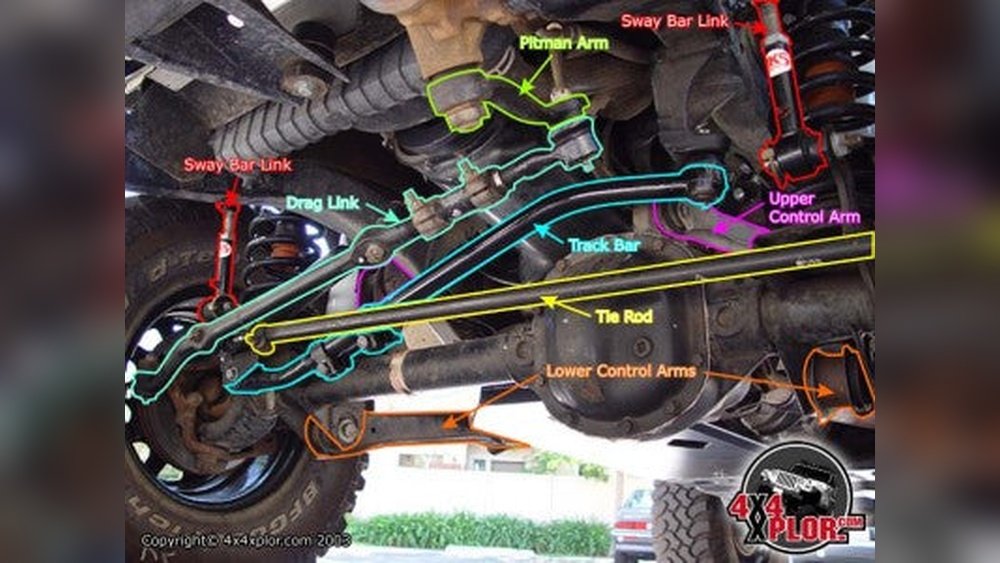
Maintaining a car isn’t just about oil changes. It includes scheduled services, unexpected repairs, and wear-and-tear parts. Jeeps are built for tough roads, so they often face more stress than regular sedans. This means maintenance can cover more than you expect, such as checking the 4×4 system, inspecting the undercarriage for damage, and making sure electronics are working after water crossings or dusty trails.
If you use your Jeep mostly for city driving, your maintenance needs will be simpler. But if you take your Jeep camping, over rocks, or through mud, you’ll need to pay more attention to things like differential fluids, axle seals, and underbody protection.
These are not common concerns with regular family cars but are important for Jeeps.
Annual Maintenance Cost
According to RepairPal, the average annual maintenance cost for a Jeep is about $634. This is higher than many mainstream brands, but less than luxury vehicles. It’s important to know that this figure is only an average—owners who use their Jeep for off-roading or heavy towing may see their costs go up.
| Brand | Average Yearly Cost |
|---|---|
| Jeep | $634 |
| Honda | $428 |
| Toyota | $441 |
| Land Rover | $1,239 |
Jeeps cost more to maintain than a Toyota or Honda, but much less than brands like Land Rover. You should also remember that Jeep’s parts are widely available and there are many independent shops that can work on them, which helps keep costs from rising even higher.
Why Are Jeeps Considered High Maintenance?
The reputation comes from several factors:
- Off-Road Use: Many owners drive Jeeps on rough terrain. This puts more stress on parts, leading to faster wear. Even something as simple as gravel roads can mean more frequent tire and suspension checks.
- Complex Suspension: Models like the Wrangler have special suspensions for off-roading. These parts are more expensive and need careful maintenance. For example, solid axles are great for off-roading, but they require attention after heavy use.
- Older Design: Some Jeep models use older engineering. This makes them easier to fix, but also more likely to need repairs. For example, older Wranglers are simple and tough, but they don’t have the refined systems of newer SUVs.
Common Repairs And Their Costs
Some Jeep parts break more often than others. Here are a few:
| Repair Type | Estimated Cost |
|---|---|
| Suspension components | $300-$800 |
| Brake replacement | $200-$400 |
| Transmission repair | $1,000-$3,500 |
| Oil leaks | $150-$350 |
Suspension and transmission repairs are common in Jeeps, especially those used off-road. Even daily-driven Jeeps can develop leaks and worn bushings if not checked regularly. A small leak or vibration might seem minor, but in a Jeep, it can quickly lead to more serious issues if ignored.
How Jeep Models Compare
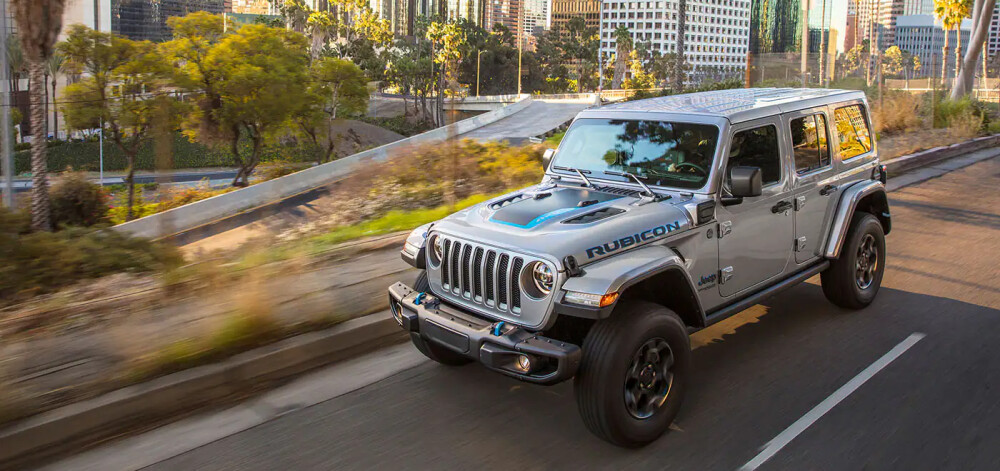
Different Jeep models have different needs. For example, the Jeep Wrangler is famous for adventure, but it can require more care. The Jeep Grand Cherokee is more comfortable and often costs less to maintain. Some models, like the Jeep Compass or Renegade, are built more for city life and have simpler systems, which means fewer things can go wrong.
| Model | Maintenance Level | Typical Use |
|---|---|---|
| Wrangler | High | Off-road, heavy use |
| Grand Cherokee | Medium | Daily driving |
| Renegade | Low-Medium | Urban, light off-road |
If you drive mostly in the city, a Renegade or Cherokee will cost less to maintain than a Wrangler. However, even the lower-maintenance Jeeps may cost more than a basic sedan, since they still have all-wheel drive and more complex parts than a small car.
Maintenance Tips For Jeep Owners
You can lower your Jeep’s maintenance cost by following some smart habits:
- Regular checks: Inspect tires, brakes, and fluids often. With Jeeps, also check for loose bolts after off-road trips.
- Use quality parts: Cheap parts break faster. For example, low-quality bushings or filters may fail early, causing other damage.
- Keep it clean: Mud and dirt can damage the underside. Rinse the frame and suspension after off-roading to prevent rust and corrosion.
- Avoid extreme off-roading: Save tough terrain for special trips. Overuse on hard trails can wear out your Jeep much faster.
A common mistake is ignoring small issues. For Jeeps, small problems can become expensive repairs fast. For example, a leaking axle seal can turn into a ruined differential if not fixed quickly. Having a trusted mechanic who knows Jeeps can also save you money by catching problems early.
How Jeeps Compare To Other Suvs
Jeeps are not the only SUVs with higher maintenance needs. Most off-road capable SUVs cost more to keep running.
For example, a Toyota 4Runner costs about $514 per year to maintain, while a Ford Explorer is around $732. Jeeps are in the middle. The main difference is that Jeep parts are easy to find, and many mechanics know them well. Also, Jeep has a big online community where owners share tips, which can help you solve simple problems yourself and save money.
One non-obvious insight: Jeep’s popularity means you can find used parts and aftermarket upgrades at reasonable prices, which isn’t true for all SUVs. However, you should be careful with used parts—always check quality before buying.
Are Jeeps Reliable?
Jeep reliability depends on the model and how you use it. The Jeep Grand Cherokee is often ranked well in reliability surveys. The Wrangler scores lower, mostly due to its off-road focus.
What’s interesting: some Jeep owners report their cars last over 200,000 miles with regular care. But owners who ignore maintenance often face expensive breakdowns. If you want long life from your Jeep, stick to the service schedule and don’t skip oil changes or fluid checks.
Some drivers find that regular city driving helps with reliability, as off-road use is harder on every part of the vehicle. However, even city drivers should watch out for rust, especially in snowy regions where salt is used on the roads.

Many new Jeep owners forget about rust prevention. Jeeps are exposed to mud and water more than regular cars. Rust can damage the frame and body. In areas with harsh winters, it’s smart to get your Jeep washed underneath regularly and consider rust-proofing sprays.
Another hidden cost is aftermarket modifications. Many people add bigger tires or lift kits. These upgrades look cool but can increase stress on the suspension and drivetrain, leading to more repairs. For example, larger tires can make the steering feel heavier and wear out ball joints faster.
Also, some insurance companies charge more for heavily modified Jeeps, which can add to your ownership costs. It’s wise to check with your insurer before making big changes.
Is Owning A Jeep Worth It?
If you love outdoor adventures, a Jeep is a great choice. The extra maintenance is the price for freedom and fun. For city drivers, Jeeps offer style but can cost more than other cars.
The best advice is to plan for higher maintenance and budget for unexpected repairs. Regular care keeps costs down and your Jeep running strong. If you enjoy working on cars, a Jeep can be rewarding and you may even do some repairs yourself thanks to the strong Jeep community and online guides.
Frequently Asked Questions
Is Jeep Maintenance More Expensive Than Other Suvs?
Yes, Jeep maintenance is higher than average, but less than luxury SUVs. Costs depend on the model and how you drive. If you stick to easy roads, you’ll save money compared to regular off-road use.
How Often Do Jeeps Need Repairs?
Jeeps need repairs more often if used off-road. For city use, they are similar to other SUVs, but regular checks are important.
Many owners report minor repairs every year or two, depending on how they use their Jeep.
Are Older Jeeps Harder To Maintain?
Older Jeeps are easier to fix because parts are simple and available. But they may need more frequent repairs due to age.
One thing to watch for is rust on the frame of older models, which can be expensive to repair.
Can I Lower Jeep Maintenance Costs?
Yes. Use quality parts, fix small problems quickly, and avoid extreme off-roading.
Regular cleaning helps prevent rust. Joining a Jeep club or forum can also give you tips on DIY fixes and affordable mechanics.
Is Jeep Reliable For Long-term Ownership?
With regular care, Jeeps can last many years. Some models reach over 200,000 miles. Neglecting maintenance leads to expensive issues. If you want detailed data on Jeep reliability, visit the Consumer Reports website.
Owning a Jeep is not cheap, but many people feel the fun and adventure make the extra cost worth it. If you understand the maintenance needs, you can enjoy your Jeep for a long time.