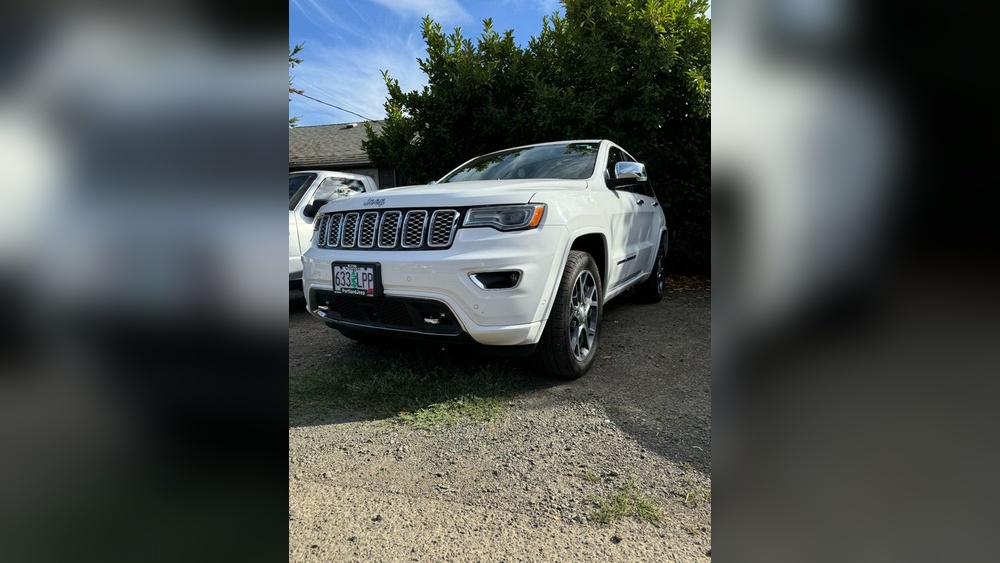
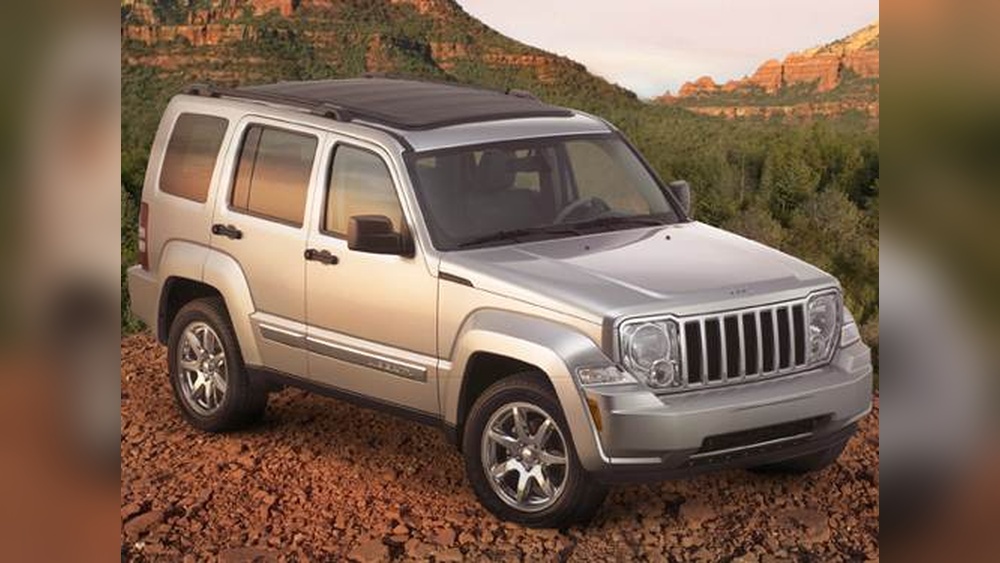
Buying a used car can feel risky, but many drivers are interested in the Jeep Compass for its mix of style, comfort, and off-road capability. Is the Jeep Compass a good used car? Let’s look at real-world reliability, ownership costs, strengths, and weaknesses so you can make a confident decision.
Jeep Compass Overview
The Jeep Compass is a compact SUV first launched in 2007. It’s popular for its rugged design and affordable pricing. Later models (from 2017 onwards) offer more modern features, better safety, and improved build quality. Used Compass vehicles are common in the US market, making it easy to find one with your preferred options.
Reliability And Maintenance
Drivers often worry about reliability when buying used. The Jeep Compass has a mixed record in this area.
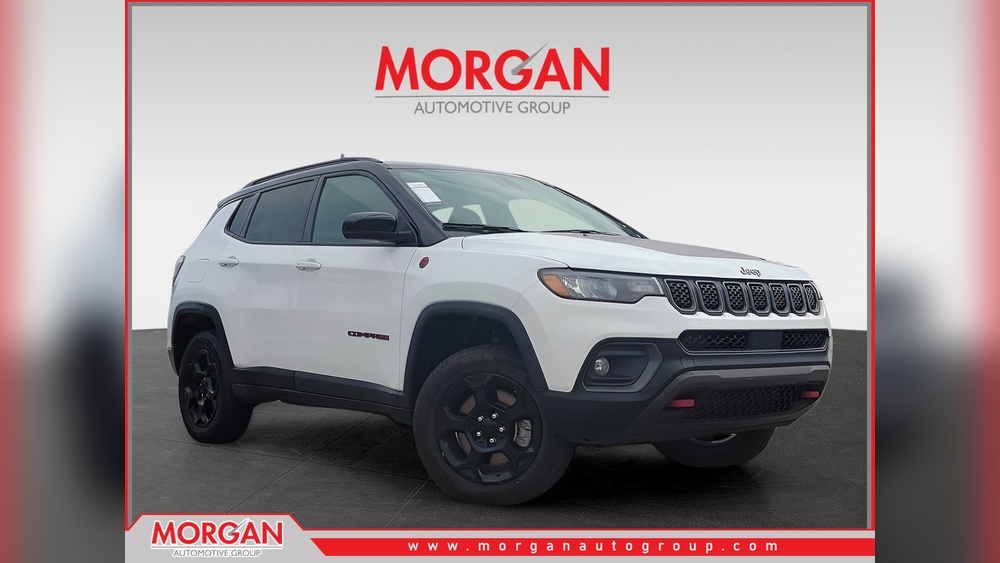
| Model Year | Reliability Rating (out of 5) | Average Annual Repair Cost |
|---|---|---|
| 2015 | 3.0 | $480 |
| 2017 | 3.5 | $430 |
| 2020 | 4.0 | $410 |
Older models (2007–2016) have more issues, especially with transmission and electrical systems. Newer models are more reliable, but still not best-in-class. Repair costs are reasonable compared to similar SUVs.
Non-obvious insight: Many used Compass owners recommend checking for regular oil changes and transmission service in the car’s history. Skipping these increases the risk of expensive repairs.
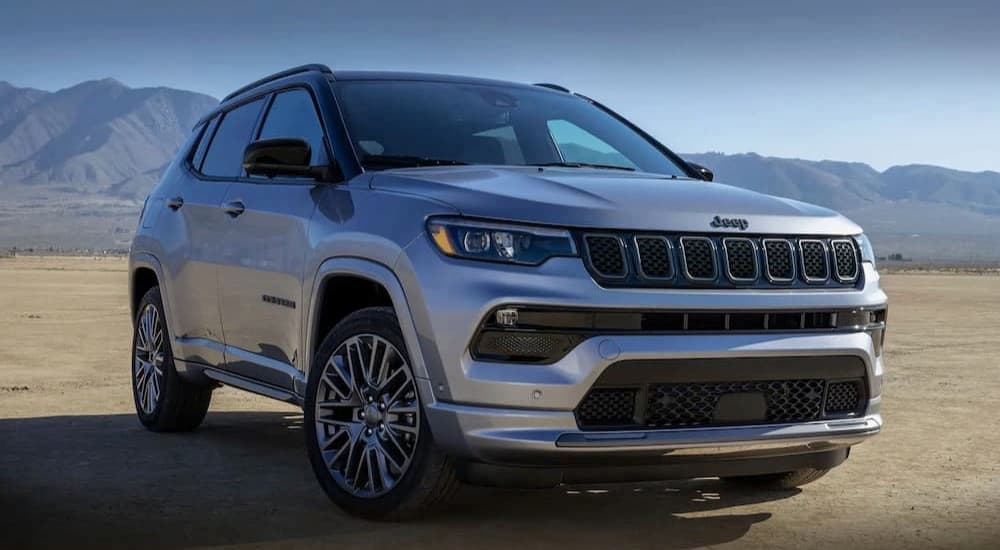
Performance And Driving Experience
The Compass offers a balanced driving experience. It feels comfortable in city traffic and can handle rough roads.
- Engine options: Most used Compass models have a 2.4L 4-cylinder engine. It is not fast, but gets good fuel economy (about 22–30 mpg).
- Ride quality: Suspension is soft and absorbs bumps well. The cabin is quiet for its class.
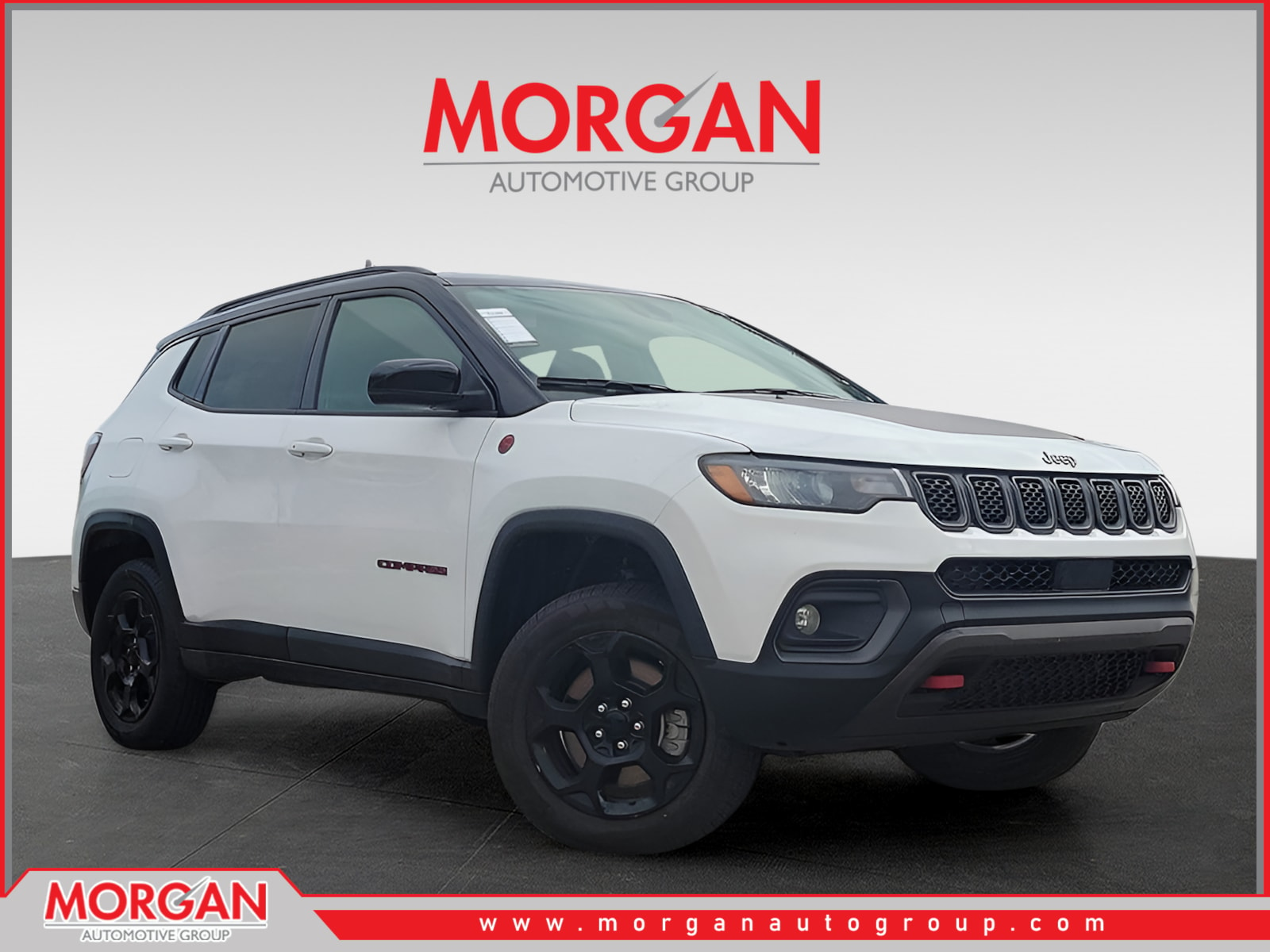
- 4WD capability: Some trims (like Trailhawk) feature all-wheel drive and higher ground clearance. These are good for light off-road use, but not for extreme trails.
| Trim | Engine | Fuel Economy (mpg) | Drive Type |
|---|---|---|---|
| Sport | 2.4L I4 | 25 | FWD |
| Latitude | 2.4L I4 | 24 | AWD |
| Trailhawk | 2.4L I4 | 22 | AWD |
Non-obvious insight: The Trailhawk trim holds its value better because buyers want its off-road features. If you plan to sell later, this trim is a smart choice.
Interior And Features
The Compass interior feels modern and comfortable, especially in models from 2017 onwards.
- Seating: Seats are supportive for daily driving. There’s enough room for four adults.
- Cargo space: About 27 cubic feet in the trunk, rising to 60 cubic feet with seats folded.
- Technology: Newer models offer touchscreens, Apple CarPlay, Android Auto, and backup cameras.
| Model Year | Touchscreen Size | Safety Features |
|---|---|---|
| 2015 | 5-inch | Basic airbags |
| 2018 | 7-inch | Blind spot monitor |
| 2020 | 8.4-inch | Lane assist, backup camera |
Common Issues And What To Check
Used Compass vehicles can have some typical problems. Here’s what to watch for:
- Transmission issues: Listen for rough shifts or delayed acceleration.
- Electrical faults: Test all lights, windows, and infotainment systems.
- Suspension noise: Drive over bumps and listen for clunks or rattles.
- Rust: Check under the car and around door frames, especially in older models.
- Service history: Ask for records showing regular maintenance.
Practical tip: Have a mechanic inspect the car before buying. A $100 inspection can save thousands in repairs later.
Ownership Costs And Value
The Jeep Compass is affordable to buy and run, but resale value is only average. Insurance rates are reasonable for most drivers.
- Depreciation: The Compass loses value a bit faster than Honda CR-V or Toyota RAV4.
- Fuel economy: You’ll spend about $1,300/year on gas if you drive 12,000 miles.
- Insurance: Typical rates are $1,150/year for a 30-year-old driver with a clean record.
Common mistake: Some buyers ignore the cost of repairs when comparing prices. Always budget for maintenance, not just the initial purchase.
How The Compass Compares To Rivals
When shopping used compact SUVs, you may also look at Honda CR-V, Toyota RAV4, and Ford Escape.
- Honda CR-V: Better reliability, higher resale value, more cargo space.
- Toyota RAV4: Excellent reliability, higher price, more features.
- Ford Escape: Cheaper, similar reliability, less off-road capability.
The Compass stands out for its style and off-road features but is not as reliable as Honda or Toyota.
Who Should Buy A Used Jeep Compass?
A used Compass suits drivers who want:
- Affordability: Lower prices than rivals.
- Comfort: Good ride quality for daily use.
- Light off-roading: Trailhawk trim is capable and fun.
It’s less ideal for buyers who demand top reliability or plan to keep their car for over 10 years.
Frequently Asked Questions
Is Jeep Compass Expensive To Maintain?
No, maintenance costs are moderate. Expect about $400–$500 a year for regular service if you keep up with oil changes and inspections.
Does The Compass Have Good Safety Ratings?
Yes, newer Compass models (2017 and later) score well in crash tests and offer modern safety features like lane assist and blind spot monitoring.
Is Jeep Compass Fuel Efficient?
The Compass gets 22–30 mpg, depending on trim and year. It’s average for compact SUVs. The FWD models use less gas than AWD versions.
What Year Compass Is Best For Used Buyers?
Most experts recommend buying a 2017 or newer model. These have fewer problems, more features, and better resale value.
Where Can I Find Official Jeep Compass Reliability Information?
You can see detailed reliability scores and owner reviews at the Jeep Compass Wikipedia page.
If you want a stylish, comfortable SUV for city and light adventure, the Jeep Compass is a smart used car choice. Check service history, aim for newer models, and inspect before buying. With good care, the Compass can serve you well for years.