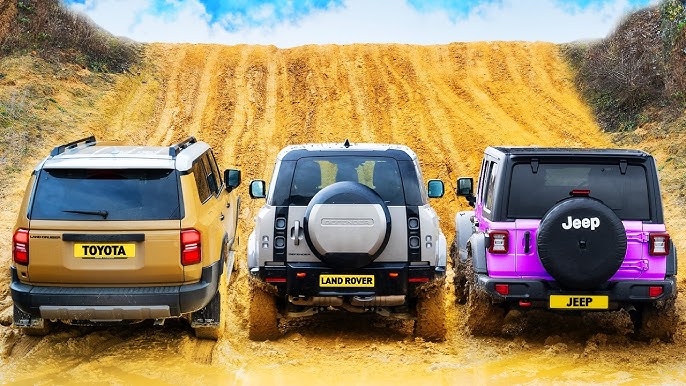
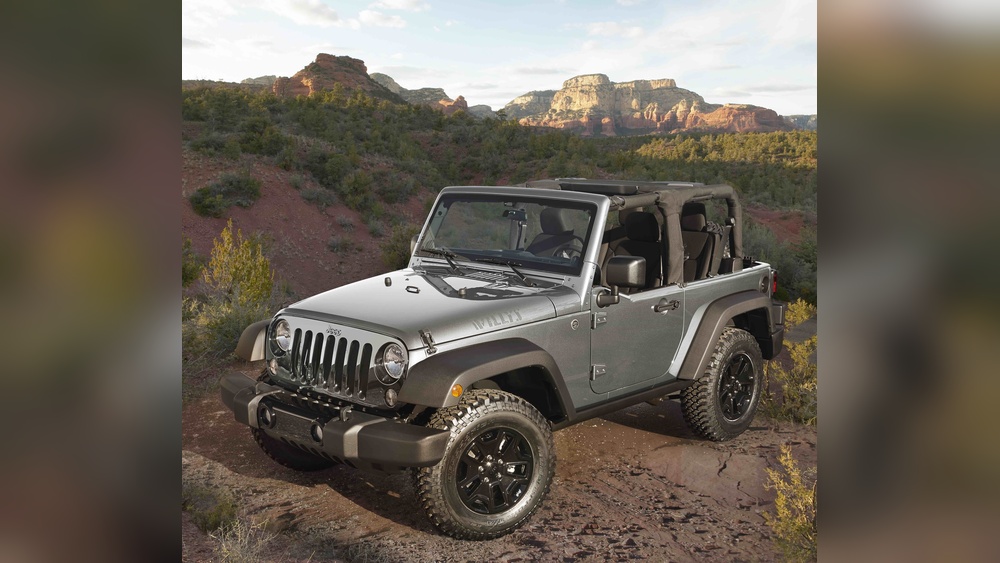
Many people see rugged SUVs and wonder: Is Jeep and Range Rover the same? At first glance, both brands offer powerful, off-road-ready vehicles with a rich history.
But if you look closer, you’ll find key differences in design, performance, reputation, and even price. Understanding these differences can help you choose the right vehicle for your needs, lifestyle, and budget.
The Origins: Jeep Vs Range Rover
Jeep and Range Rover come from very different backgrounds. Jeep started in the United States during World War II. It was designed for military use and became famous for its toughness. After the war, Jeep became a symbol of adventure and freedom. Most Jeep models focus on off-road ability and utility.
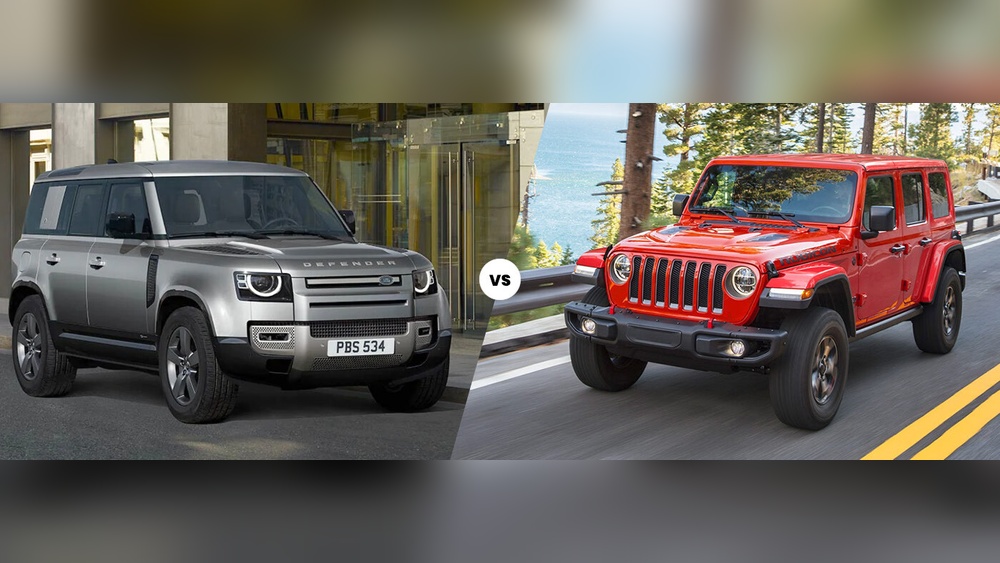
Range Rover is a brand under Land Rover, which began in the United Kingdom. Range Rover launched its first luxury SUV in 1970. From the start, Range Rover combined off-road performance with high comfort and luxury features. Today, Range Rover is known for its stylish design and premium interiors.
Ownership And Brand Position
Who owns Jeep and Range Rover? Here is a quick comparison:
| Brand | Current Owner | Country of Origin |
|---|---|---|
| Jeep | Stellantis (formerly Fiat Chrysler) | USA |
| Range Rover | Tata Motors (India) – under Land Rover | UK |
Jeep positions itself as a tough, all-terrain brand for adventure seekers. Range Rover targets the luxury market, offering both comfort and advanced technology.
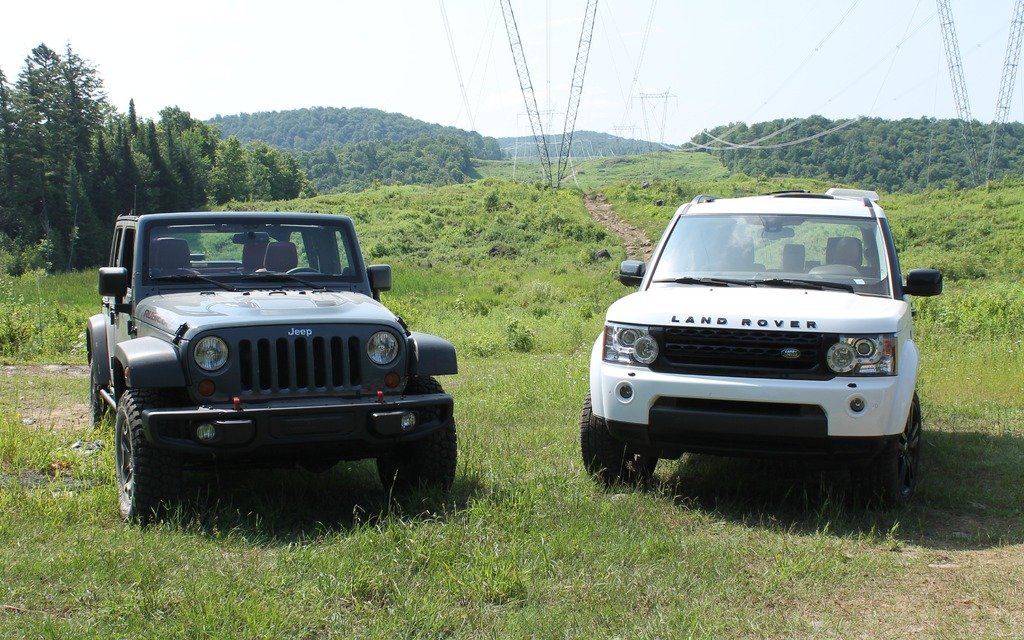
Design And Features: What Sets Them Apart
Exterior And Interior
Jeep vehicles, like the Wrangler and Grand Cherokee, have a classic, boxy look. They focus on durability, with simple but strong interiors. Most Jeep models use easy-to-clean materials, which suit outdoor use.
Range Rover models, such as the Range Rover Sport and Evoque, are more elegant. They use high-quality leather, wood trims, and advanced tech in their cabins. The design focuses on comfort and a quiet ride.
Technology And Comfort
Jeep offers basic features in entry-level models but adds more in higher trims. You get touchscreens, smartphone connection, and heated seats, but luxury is not the main goal.
Range Rover packs in more standard luxury features—even in its base models. Expect a digital dashboard, premium sound, and advanced climate control.
Some models include massage seats and panoramic roofs.
Off-road Performance: Similar Roots, Different Focus
Both Jeep and Range Rover are famous for off-road skill, but they approach it differently.
- Jeep models use solid axles, high ground clearance, and advanced four-wheel drive systems. The Wrangler Rubicon is especially well-known for rock climbing and trail driving.
- Range Rover vehicles offer adjustable air suspension, multiple terrain modes, and smart all-wheel-drive systems. They can handle mud, snow, and steep climbs, but they do so with more comfort.
Here’s a look at how their popular models compare:
| Model | Ground Clearance (inches) | Approach Angle (degrees) | Wading Depth (inches) |
|---|---|---|---|
| Jeep Wrangler Rubicon | 10.8 | 44 | 30 |
| Range Rover | 11.7 | 34.7 | 35.4 |
This shows that both can handle rough terrain, but Range Rover offers more water wading ability, while Jeep is better for steep climbs.
Price And Cost Of Ownership
Jeep vehicles are usually more affordable. The 2024 Jeep Wrangler starts around $33,000. The Grand Cherokee starts near $40,000. Maintenance costs are average for the segment.
Range Rover models are much more expensive. The entry-level Range Rover Evoque starts at about $49,000, while the flagship Range Rover can cost over $100,000. Maintenance and repair costs are also higher, and parts can be more expensive.
Here’s a quick price comparison:
| Model | Starting MSRP (USD) |
|---|---|
| Jeep Wrangler | $33,000 |
| Jeep Grand Cherokee | $40,000 |
| Range Rover Evoque | $49,000 |
| Range Rover | $107,000 |
Range Rover models are seen as a status symbol, while Jeep is valued for practical adventure.
Reliability And Reputation
Jeep has a reputation for reliability, especially in its classic models. However, some newer models have faced issues with electronics and comfort features.
Range Rover offers advanced tech, but it is known for higher repair costs and electronic problems over time. Owners often praise the ride and comfort, but warn about expensive service.
A non-obvious tip: Some buyers expect Range Rover to be as tough as Jeep for daily off-roading. In reality, Range Rover’s luxury focus means more delicate parts that can wear faster under harsh use. Jeep is usually better for frequent, hard-core off-road driving.
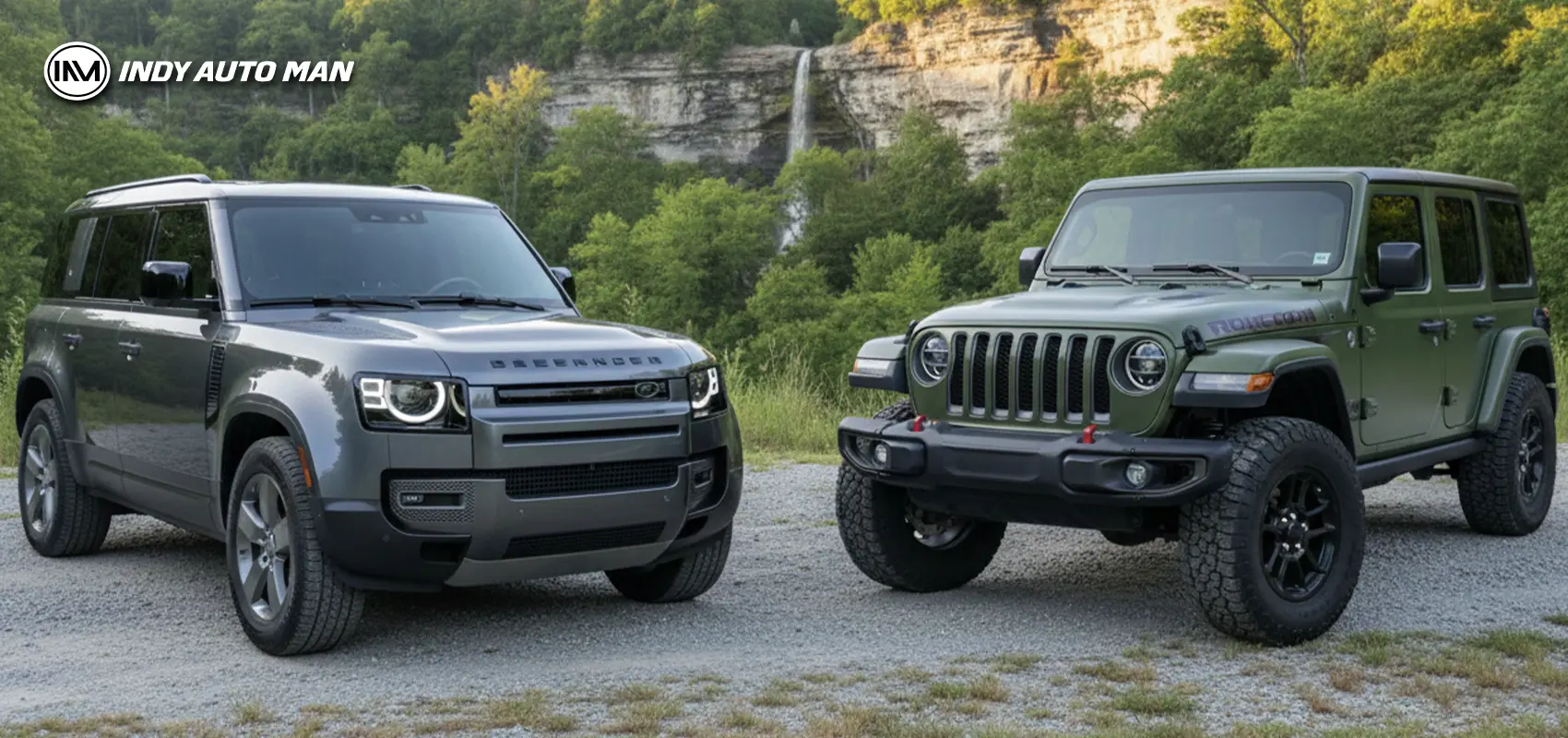
Which Should You Choose?
- Choose Jeep if you want a practical, affordable SUV that handles tough trails and has lower running costs.
- Choose Range Rover if you want luxury, comfort, and style, and you’re willing to pay more for these features.
Both brands can be great, but your choice depends on your needs and budget. Test drive both if possible, and consider ownership costs, not just the purchase price.
If you want to read more about the history and development of these brands, check out the SUV Wikipedia page.
Frequently Asked Questions
Are Jeep And Range Rover The Same Company?
No, Jeep and Range Rover are owned by different companies. Jeep is part of Stellantis, while Range Rover is under Land Rover, owned by Tata Motors.
Which Is Better For Off-roading: Jeep Or Range Rover?
Jeep is usually better for serious off-roading, especially with models like the Wrangler. Range Rover is also very capable, but focuses more on comfort and luxury.
Why Are Range Rovers More Expensive Than Jeeps?
Range Rovers use more luxury materials, advanced technology, and have a premium brand image. This raises both the purchase price and maintenance costs.
Can A Range Rover Be Used For Daily Driving?
Yes, Range Rover models are designed for daily comfort. They offer a smooth ride, high-tech features, and work well in cities and on highways.
Which Brand Holds Its Value Better?
Jeep vehicles generally hold their value well, especially the Wrangler. Range Rover models can lose value faster due to high maintenance costs and luxury features.
Both Jeep and Range Rover have their strengths and weaknesses. By understanding their differences, you can choose the right SUV for your adventures or your daily drive.