For decades, the Jeep brand has been a symbol of rugged adventure and American spirit. Many people see a Jeep and instantly think of the United States—road trips, off-road adventures, and even military history. But with globalization and company mergers, is Jeep still an American car company today? The answer is more complex than it seems. Let’s explore Jeep’s origins, ownership, manufacturing, and what “American” really means in the modern auto industry.
Jeep’s American Roots
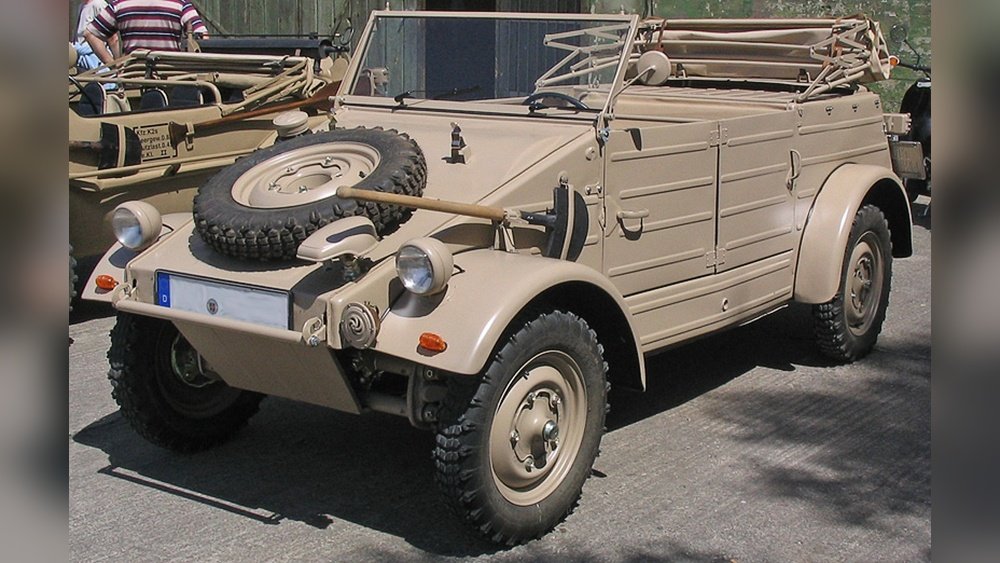
Jeep’s story began during World War II. In 1941, the U.S. Army needed a tough, reliable vehicle for soldiers. The original Jeep, called the Willys MB, became famous for its strength and ability to handle rough terrain. These vehicles helped win the war and quickly became a symbol of American ingenuity.
After the war, the Jeep brand entered civilian life. The first models, like the CJ (Civilian Jeep), were made for farmers and outdoor lovers. Over the years, Jeep grew into a popular choice for families and adventurers alike.
Who Owns Jeep Today?
Jeep’s ownership has changed several times. The company started with Willys-Overland, then moved through hands like Kaiser Motors, American Motors Corporation (AMC), and Chrysler. Today, Jeep is owned by Stellantis, a global automotive group formed in 2021 after the merger of Fiat Chrysler Automobiles (FCA) and PSA Group (Peugeot and Citroën’s parent company).
Here’s a quick look at Jeep’s ownership timeline:
| Year | Owner |
|---|---|
| 1941–1953 | Willys-Overland |
| 1953–1970 | Kaiser Motors |
| 1970–1987 | American Motors Corporation (AMC) |
| 1987–1998 | Chrysler |
| 1998–2007 | DaimlerChrysler |
| 2007–2014 | Chrysler LLC |
| 2014–2021 | Fiat Chrysler Automobiles (FCA) |
| 2021–Present | Stellantis |
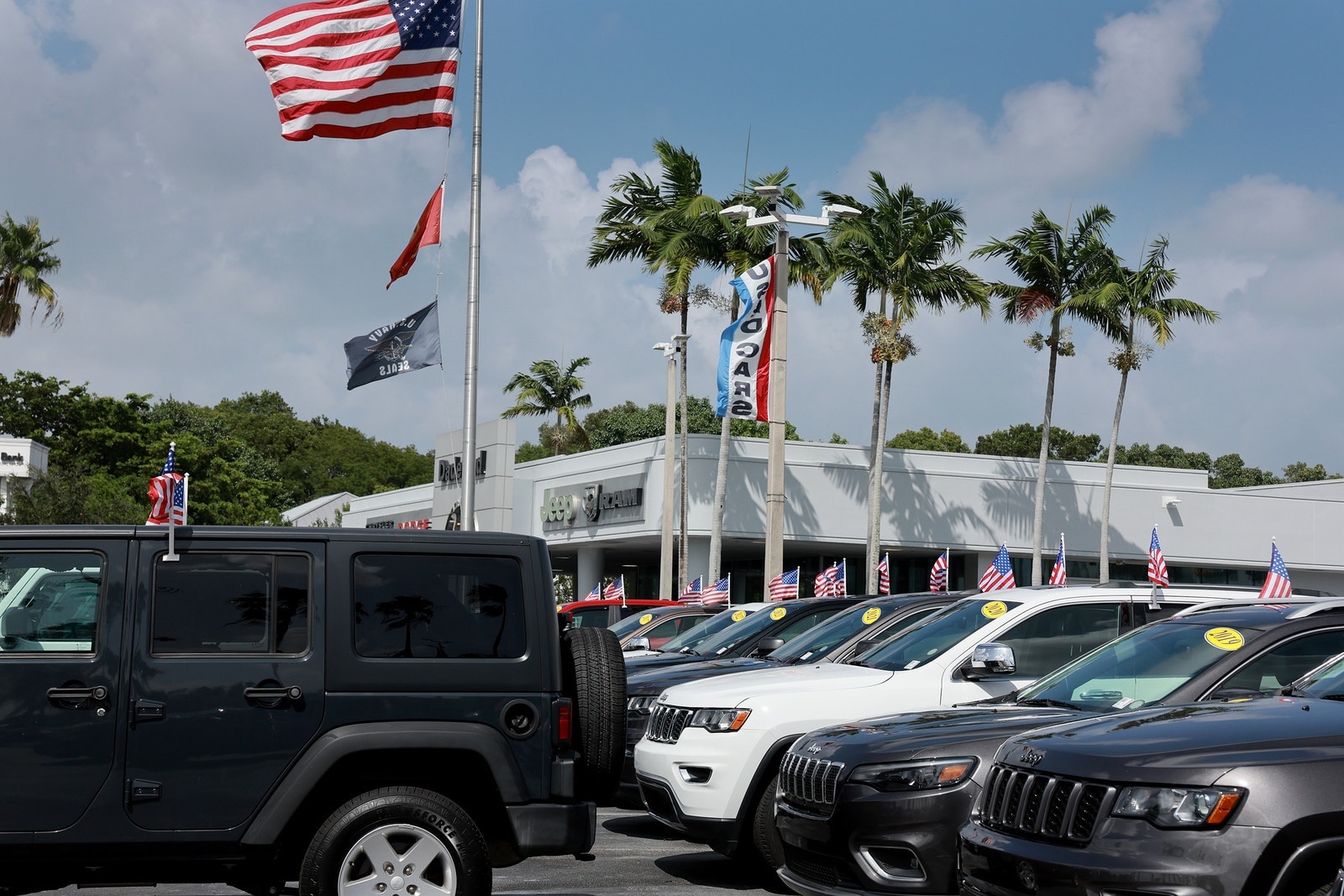
While Stellantis is based in the Netherlands, Jeep’s main office is still in Toledo, Ohio. This keeps some of its American identity alive, even under international ownership.
Where Are Jeeps Built?
A big part of what makes a car “American” is where it’s built. Jeep vehicles are made in several countries, but the majority for the U.S. market are built in America. For example, the popular Jeep Wrangler and Jeep Gladiator are assembled in Toledo, Ohio. The Jeep Grand Cherokee comes from Detroit, Michigan.
However, some models like the Jeep Renegade are built in Italy and Brazil. This is common today, as car brands try to lower costs and reach more customers globally.
Here’s a breakdown of where key Jeep models are made:
| Model | Main Production Country |
|---|---|
| Wrangler | United States |
| Grand Cherokee | United States |
| Gladiator | United States |
| Cherokee | United States |
| Renegade | Italy, Brazil |
| Compass | Mexico, India |
American Identity In A Global World
Today, many car companies have global supply chains. Parts come from different countries, and cars are built where it makes the most business sense. Jeep is no exception. Even its U.S.-built models use some parts from outside the country.
Still, Jeep’s design, engineering, and brand culture remain deeply American. The company often highlights its U. S. roots in advertising. Many loyal fans see their Jeeps as symbols of American freedom and adventure.
Interestingly, the Jeep Wrangler often ranks high in the annual “Made in America” index, which measures how much of a vehicle’s parts and labor come from the U.S. According to Cars.com’s 2023 study, the Wrangler was among the top 10 most American-made vehicles.
How Jeep Compares To Other American Car Brands
Let’s compare Jeep to other well-known American brands:
| Brand | Headquarters | Parent Company | Main Production Countries |
|---|---|---|---|
| Jeep | Toledo, Ohio | Stellantis | US, Italy, Brazil, Mexico, India |
| Ford | Dearborn, Michigan | Ford Motor Company | US, Mexico, Canada, China |
| Chevrolet | Detroit, Michigan | General Motors | US, Mexico, Canada, South Korea |
| Ram | Auburn Hills, Michigan | Stellantis | US, Mexico |
This shows that even classic “American” brands have a global reach today.
Two Insights Many People Miss
- Ownership vs. Identity: Many think a car’s nationality is only about where the parent company is based. In reality, brand identity, design, and manufacturing location matter just as much. Jeep’s American roots and culture are still strong, even though Stellantis is an international group.
- Made in America Is Not All or Nothing: Some buyers look for “100% American-made” cars, but almost no modern vehicle fits this. Even U.S.-built Jeeps have foreign-made parts. What matters more is the percentage of American labor and parts. In this area, Jeep often scores high—especially with models like the Wrangler.
The Future Of Jeep’s American Image
Jeep continues to evolve. The company is investing in electric vehicles and plans to launch new models for a global audience. While some manufacturing may shift, Jeep is likely to keep its American core—both for branding and because its U.S. customer base is so strong.
For more on Jeep’s history and ownership, see the official Jeep Wikipedia page.
Jeep’s story is a great example of how “American” can mean many things: history, culture, innovation, and even global teamwork. For most fans, a Jeep still feels like an American icon—no matter where the parts come from.
Frequently Asked Questions
Is Jeep Still Considered An American Car Company?
Yes, in many ways. Jeep was born in the U. S. , and many of its vehicles are still designed and built in America. However, its parent company is now global, and some models are made overseas.
Who Owns Jeep Now?
Jeep is owned by Stellantis, a large international auto group formed by the merger of Fiat Chrysler Automobiles and PSA Group.
Where Are Most Jeeps Built?
Most Jeeps for the U. S. market, including the Wrangler and Grand Cherokee, are built in American factories. Some models, like the Renegade, are made in other countries.
Does Jeep Use American-made Parts?
Many Jeep models use a high percentage of American-made parts, especially those built in the U. S. Still, like most car brands, they also use some parts from other countries.
Why Is Jeep Seen As An American Icon?
Jeep’s history with the U. S. military, its role in American adventure culture, and its strong presence in American manufacturing all contribute to its iconic status.