If you notice a red puddle under your Jeep, you may wonder, “Why is my Jeep leaking transmission fluid? ” This problem isn’t just messy—it can lead to expensive repairs if ignored. Transmission fluid keeps your gears shifting smoothly, reduces heat, and protects vital parts.
Losing fluid affects performance and can cause lasting damage. Understanding the reasons, signs, and solutions helps you stay safe and avoid bigger headaches.
Common Reasons For Transmission Fluid Leaks
Several parts in your Jeep’s transmission system can cause leaks. Let’s look at the most frequent sources:
1. Transmission Pan Damage
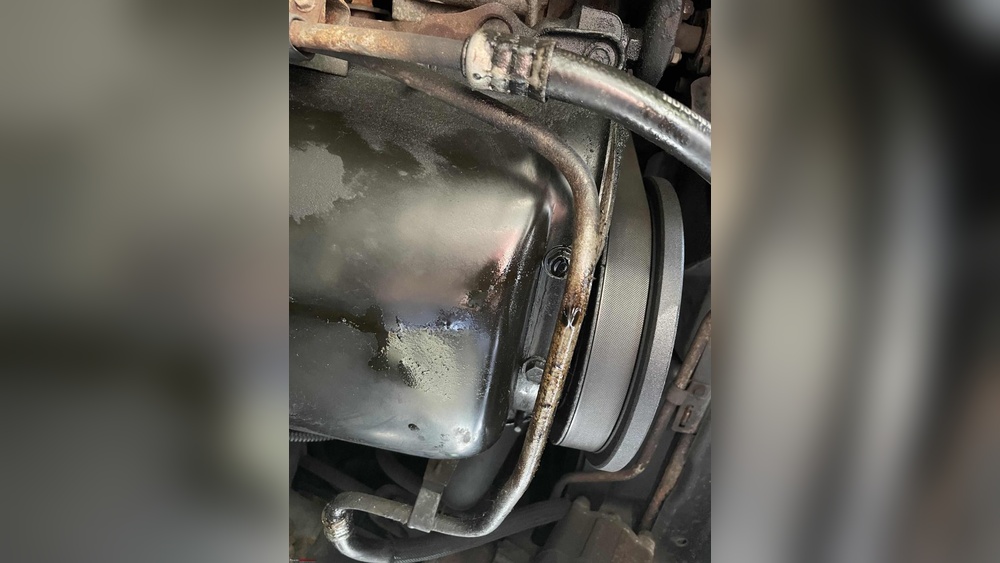
The transmission pan holds most of the fluid. Rocks and debris can dent or puncture it, especially during off-road driving. Even a small hole can cause slow leaks.
2. Worn Out Seals And Gaskets
Seals and gaskets keep fluid inside the system. Over time, heat and age cause them to crack or shrink. Common leak points are the output shaft seal, pan gasket, and input shaft seal.
3. Loose Or Damaged Transmission Lines
Transmission fluid travels through metal or rubber lines. If these lines loosen, rust, or break, fluid escapes. This is common in older Jeeps or those exposed to salt and moisture.
4. Faulty Torque Converter
The torque converter moves fluid inside the transmission. If it develops cracks or its seals fail, fluid leaks out. This is less common but more serious.
5. Improper Installation Or Overfilling
If you’ve had recent transmission work or fluid change, mistakes like improper gasket placement or overfilling can cause leaks. Always double-check after service.
Signs Your Jeep Is Leaking Transmission Fluid
Spotting the problem early saves money and trouble. Here’s what to watch for:
- Red or brown puddle under your Jeep after parking
- Grinding or slipping gears while driving
- Burning smell from overheating transmission
- Warning lights on the dashboard
- Low fluid level when checked with the dipstick
Many drivers confuse transmission fluid with engine oil. Transmission fluid is usually bright red, but turns brown as it ages.
| Fluid Type | Color | Feel |
|---|---|---|
| Transmission Fluid | Red/Brown | Slick, Oily |
| Engine Oil | Gold/Black | Thicker, Oily |
| Coolant | Green/Orange | Watery, Sweet Smell |
How To Diagnose A Transmission Fluid Leak
Finding the exact leak spot is key. Here’s how to check:
1. Inspect Under The Vehicle
Use a flashlight to look for wet spots around the transmission pan, lines, and seals.
2. Check Fluid Level
Park on a level surface, run the engine, and check the dipstick. If it’s low, there’s likely a leak.
3. Look For Drips After Parking
Place cardboard under your Jeep overnight. In the morning, note the position and color of any fluid.
4. Clean And Re-check
Clean the suspected area, drive for a few miles, and inspect again. Fresh leaks are easier to spot.
If you’re unsure, a mechanic can use UV dye or pressure tests to pinpoint leaks.
| Diagnostic Method | Difficulty | Accuracy |
|---|---|---|
| Visual Inspection | Easy | Moderate |
| UV Dye Test | Medium | High |
| Pressure Test | Hard | Very High |
Fixing Transmission Fluid Leaks
The right fix depends on the cause. Here are common solutions:
- Replace the Pan Gasket if you see fluid around the pan’s edge. Gaskets are cheap but need careful installation.
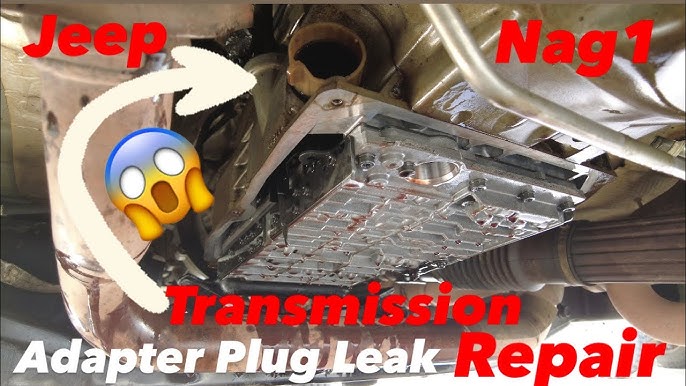
- Change Seals if leaks come from the output shaft or input shaft. This usually requires removing the transmission.
- Repair or Replace Lines for leaks in transmission lines. Sometimes tightening clamps works; other times, lines need replacement.
- Fix or Replace the Torque Converter if it’s the source. This is a bigger job, often best left to professionals.
For small leaks, a stop-leak additive may help temporarily. However, it’s not a permanent solution.
| Repair Type | Estimated Cost | Time Needed |
|---|---|---|
| Pan Gasket Replacement | $100-$200 | 1-2 hours |
| Seal Replacement | $250-$500 | 3-5 hours |
| Line Repair | $50-$150 | 1 hour |
| Torque Converter Fix | $400-$1,000 | 6-8 hours |
Preventing Transmission Fluid Leaks
Preventing leaks is better than fixing them. Here are smart habits:
- Check fluid levels monthly and after long trips.
- Use the correct transmission fluid for your Jeep model.
- Drive carefully on rough roads to avoid pan damage.
- Service your Jeep regularly and fix small leaks fast.
- Avoid overfilling—too much fluid can cause leaks.
Two things many Jeep owners forget: First, always check for leaks after off-road trips. Second, only use fluids recommended by Jeep. Using the wrong fluid can damage seals and cause leaks.
When To See A Mechanic
Some leaks are easy to fix, but others need expert help. If you see large puddles, notice difficulty shifting gears, or have constant low fluid levels, visit a mechanic. Ignoring these signs can lead to complete transmission failure, which costs thousands to repair.
For more detailed guidance on transmission maintenance, visit the official Jeep Service & Maintenance page.
Frequently Asked Questions
Why Is Transmission Fluid Red?
Transmission fluid is red so it’s easy to spot leaks and distinguish from other fluids. As it ages, it turns brown.
Can I Drive My Jeep With A Transmission Fluid Leak?
Driving with a leak is risky. Even a small leak can lead to low fluid levels, causing damage and unsafe driving.
How Often Should I Check My Transmission Fluid?
Check monthly, or more often if you drive off-road or notice signs like slipping gears or fluid spots.
Is A Transmission Fluid Leak Expensive To Fix?
Costs vary. Simple gasket fixes may be under $200, but major repairs like seal or torque converter replacement can reach $1,000.
What Happens If I Ignore A Transmission Fluid Leak?
Ignoring the leak can cause transmission failure, overheating, and expensive repairs. Always fix leaks quickly.
Spotting and fixing transmission fluid leaks in your Jeep keeps your vehicle reliable and protects your wallet. With careful checks, smart habits, and quick repairs, you’ll avoid the most common transmission problems. If you’re unsure, always ask a trusted mechanic—catching issues early is the best way to stay safe.