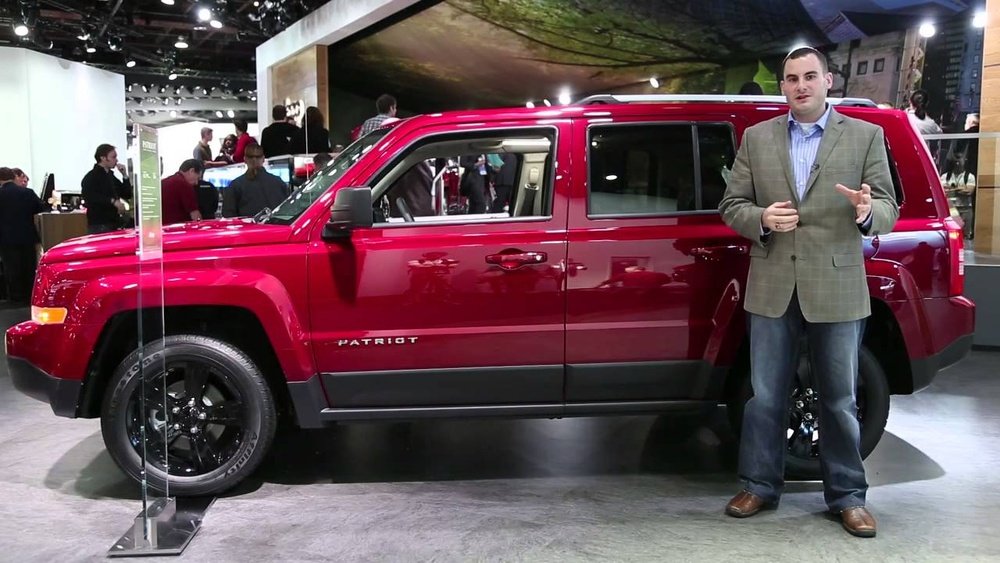
Is Jeep An Acronym? The Real Story Behind The Name
Some words become so popular, we forget to ask where they come from. The Jeep is one of those words.
Most people know it as a tough, boxy vehicle that can travel almost anywhere. But is “Jeep” really an acronym?
If so, what does it stand for? Let’s dig into the history, myths, and facts behind the Jeep’s name.
The Origin Of The Word “jeep”
The Jeep has its roots in the early 1940s, during World War II. The U.S. Army needed a new kind of military vehicle—small, strong, and able to handle rough terrain. American car companies like Willys-Overland and Ford built prototypes. In 1941, the Willys MB was chosen as the main vehicle.
But where did the name “Jeep” come from? There are two main theories:
- Slang for “G.P.” (General Purpose): Some believe “Jeep” is a way soldiers said “G.P.,” short for “General Purpose.” The theory claims that “G.P.” was spoken quickly and started to sound like “Jeep.”
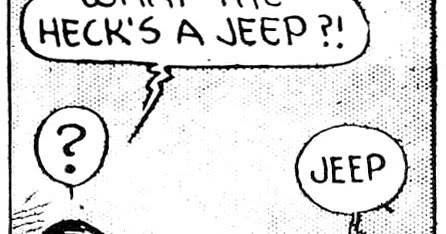
- Eugene the Jeep: Others say the name comes from a character in the Popeye comic strip. Eugene the Jeep was a magical, small creature who could go anywhere and do anything. Soldiers thought the tough, go-anywhere vehicle reminded them of this character.
So, is Jeep really an acronym? The answer is more complex than you might think.
Is Jeep Really An Acronym?
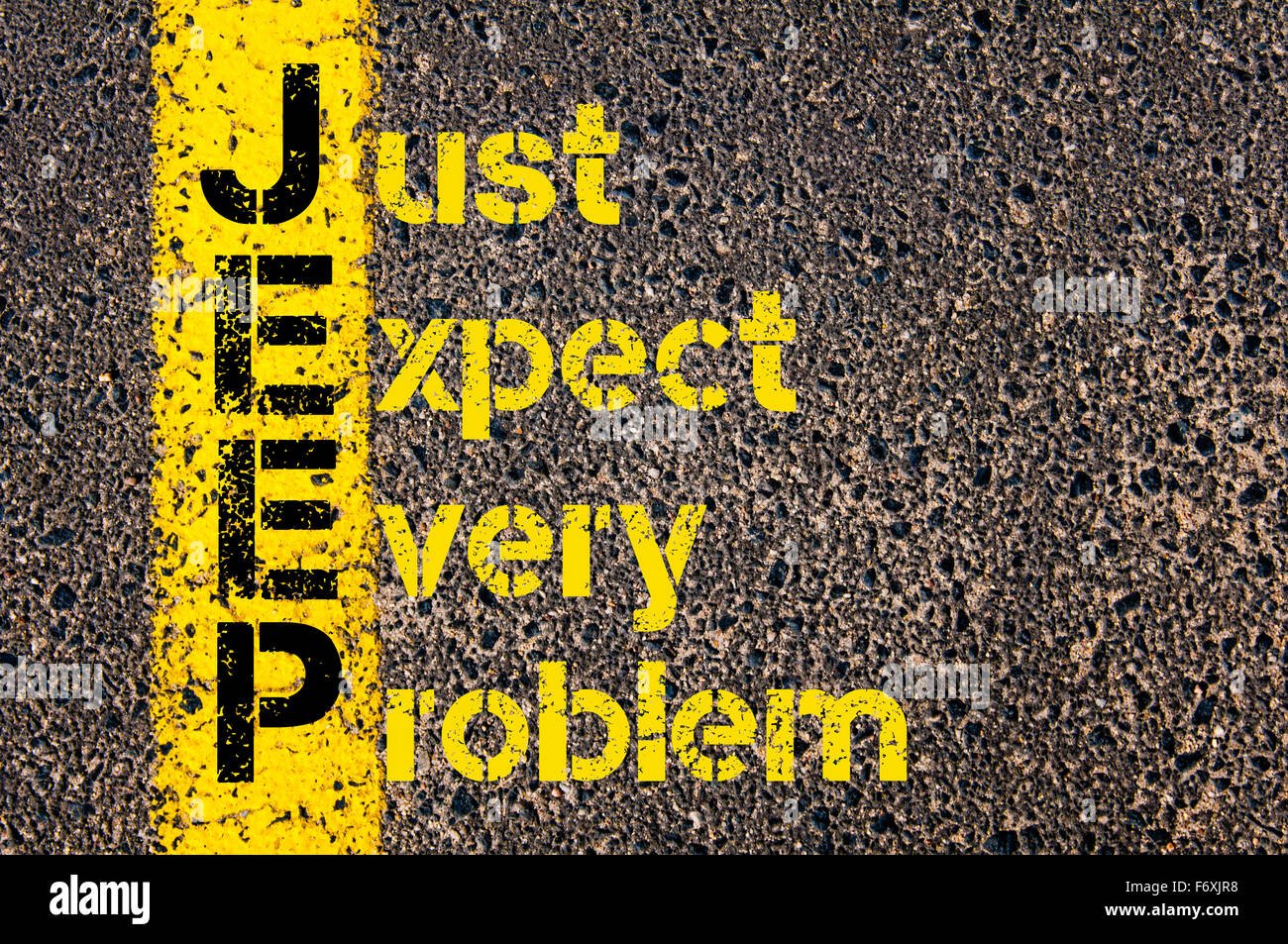
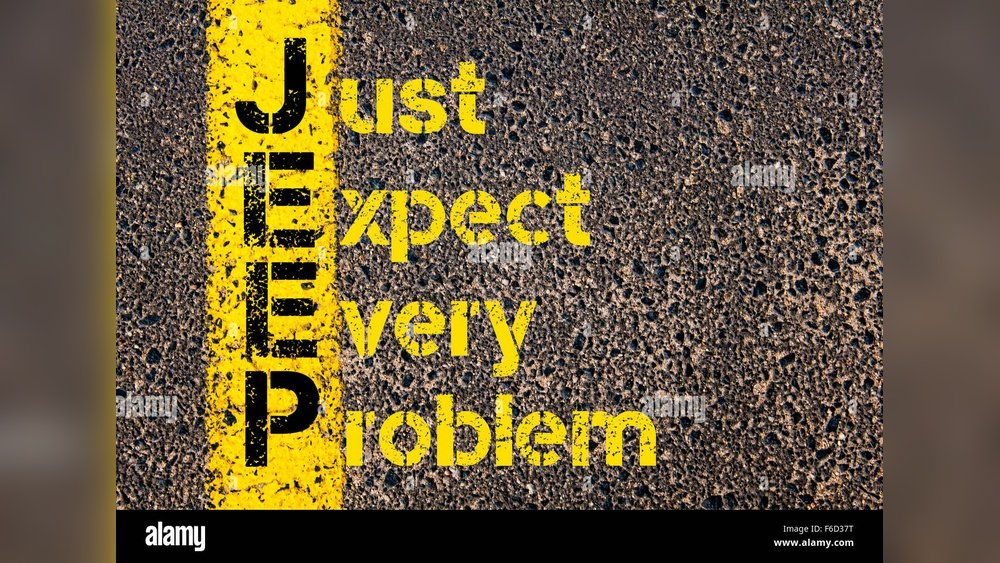
There’s a popular belief that JEEP stands for “Just Enough Essential Parts” or “General Purpose.” Many websites, magazines, and even Jeep fans repeat this story. But is it true?
“just Enough Essential Parts”
Some claim Jeep stands for “Just Enough Essential Parts. ” This sounds clever, but there’s no evidence from the 1940s to support it.
The phrase became popular much later, after Jeep vehicles were already famous. It’s more of a backronym a phrase made to fit the letters of the word after the word already exists.
“general Purpose” (g.p.)
The “General Purpose” idea seems more likely. The Willys MB was sometimes called a “G.
P. ” vehicle.
However, army documents from the time show that “G. P.
” actually meant “Government, 80-inch wheelbase, Reconnaissance Car. ” The “G” stood for “Government,” and “P” was a Ford code for the vehicle’s wheelbase and type.
So, “G. P. ” did not officially mean “General Purpose. ”
Here’s a simple comparison of the myths and facts:
| Common Belief | Reality |
|---|---|
| Jeep = Just Enough Essential Parts | Backronym, not used in WWII |
| Jeep = General Purpose | Army used “G.P.” for “Government” and “80-inch wheelbase” |
| Jeep from Eugene the Jeep | Popular with soldiers, likely influenced the nickname |
How Jeep Got Its Name In Popular Culture
During WWII, soldiers started using the word Jeep to describe the Willys MB and similar vehicles. Reporters noticed this and began writing about the new “Jeep.” In 1941, a Willys vehicle was driven up the steps of the U.S. Capitol to show its power. The Washington Daily News covered the event, calling the vehicle a “Jeep.”
Jeep quickly became the vehicle’s official name. Willys-Overland later trademarked the name in 1943. By then, “Jeep” was famous worldwide.
What Makes A Jeep Unique?
The original Jeep was designed to be:
- Lightweight (about 2,450 pounds)
- Four-wheel drive for off-road use
- Simple and strong—easy to fix in the field
- Versatile, used for many tasks like carrying troops, towing, and even laying phone wires
Here’s how the early Jeep compared to other army vehicles:
| Vehicle | Weight | Drive Type | Main Use |
|---|---|---|---|
| Willys MB (Jeep) | 2,450 lbs | Four-wheel | Recon, transport, towing |
| Army Motorcycle | 500 lbs | Two-wheel | Messenger, scout |
| Dodge WC Truck | 5,200 lbs | Four-wheel | Troop, cargo |
Jeep’s Influence After World War Ii
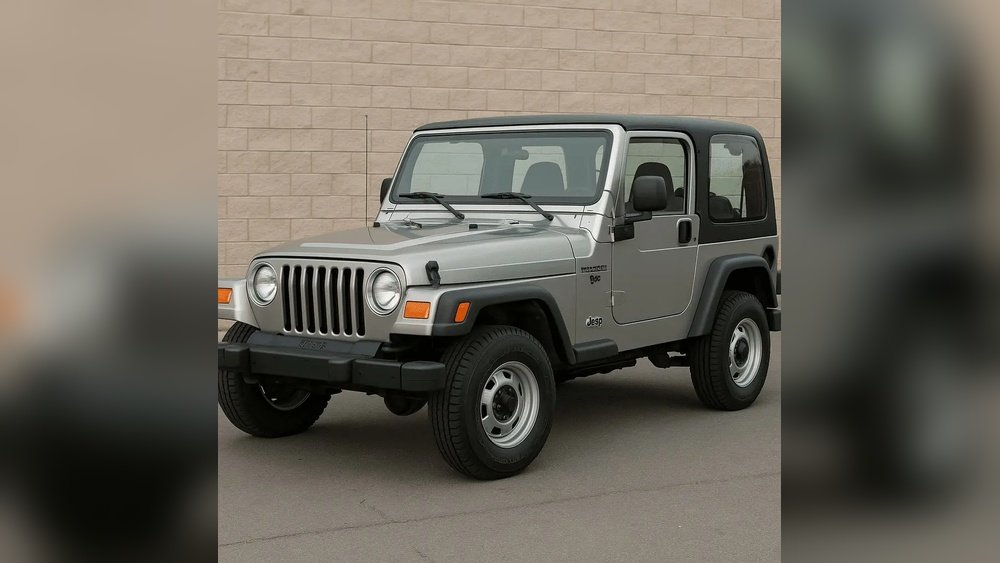
After the war, Jeep became a symbol of adventure and freedom. People wanted the same rugged vehicles for farming, ranching, and exploring. Willys started selling civilian Jeeps (CJ models) in 1945.
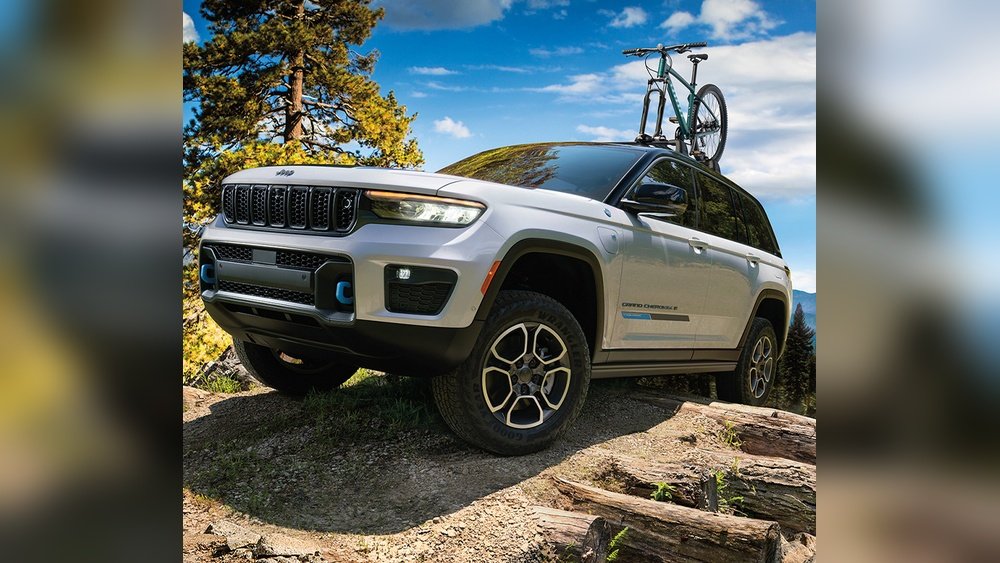
The Jeep’s design influenced many later vehicles. Today, the Jeep brand is owned by Stellantis and still stands for off-road ability and toughness.
Here’s a look at how Jeep’s market grew after WWII:
| Year | Model | Key Market | Production Numbers |
|---|---|---|---|
| 1945 | CJ-2A | Civilian (farming, utility) | About 214,000 |
| 1963 | Wagoneer | Family, recreation | ~50,000/year |
| 2023 | Wrangler, Grand Cherokee | Adventure, family | Over 200,000/year (Wrangler) |
Two Insights Beginners Often Miss
- The Jeep name was never an official military acronym. It became popular because soldiers liked it, not because the Army used it on documents.
- The backronym “Just Enough Essential Parts” was created long after Jeep vehicles were already successful. It’s a fun saying, but not real history.
These points surprise many fans. The truth is, language often changes because people use words in new ways, not because of official rules.
Why The Jeep Story Matters
Understanding the Jeep’s name teaches us how products and brands grow. Sometimes, a simple nickname becomes stronger than any marketing plan. The Jeep’s story also shows how ideas from comics, slang, and daily life can shape history.
If you want to learn more about the origins of Jeep, the official Wikipedia Jeep page has a full timeline and more details.
Frequently Asked Questions
Is Jeep An Acronym For “just Enough Essential Parts”?
No, “Just Enough Essential Parts” is a backronym. It’s a phrase made to fit the word Jeep after the fact. There is no proof this was used during WWII.
Did Jeep Come From “general Purpose” Vehicle?
Not exactly. “G. P. ” was used in military documents, but it did not mean “General Purpose. ” The “G” stood for “Government,” and “P” was a Ford code.
Was The Jeep Named After A Cartoon Character?
Yes, partly. Eugene the Jeep from the Popeye comics was popular at the time. Soldiers compared the vehicle’s abilities to the character, which helped the name stick.
Who First Built The Jeep?
The first military Jeeps were made by Willys-Overland, with help from Ford and Bantam. Willys MB became the main model during WWII.
Is Jeep A Brand Today?
Yes, Jeep is a brand owned by Stellantis. It makes SUVs and off-road vehicles, continuing the legacy of the original WWII Jeep.
The next time you see a Jeep, remember: it’s not just a vehicle. It’s a piece of history, shaped by war, culture, and language—far more than just an acronym.