If you own a business and are thinking about buying a Jeep Grand Cherokee, you might wonder if this vehicle qualifies for the Section 179 tax deduction. Section 179 helps business owners lower their taxable income when they buy equipment, including vehicles.
But not every car or SUV qualifies, and the rules can be confusing. This article explains how Section 179 works, whether the Jeep Grand Cherokee qualifies, and what you need to know before making your purchase.
Understanding Section 179 Deduction
Section 179 is a part of the US tax code that lets businesses deduct the cost of certain assets including vehicles in the year they are purchased. Instead of spreading out deductions over several years, you can claim the full amount in one tax year.
For 2024, the Section 179 deduction limit is $1,160,000. However, not all vehicles are treated the same way. The rules depend on the type, weight, and use of the vehicle.
Does Jeep Grand Cherokee Qualify?
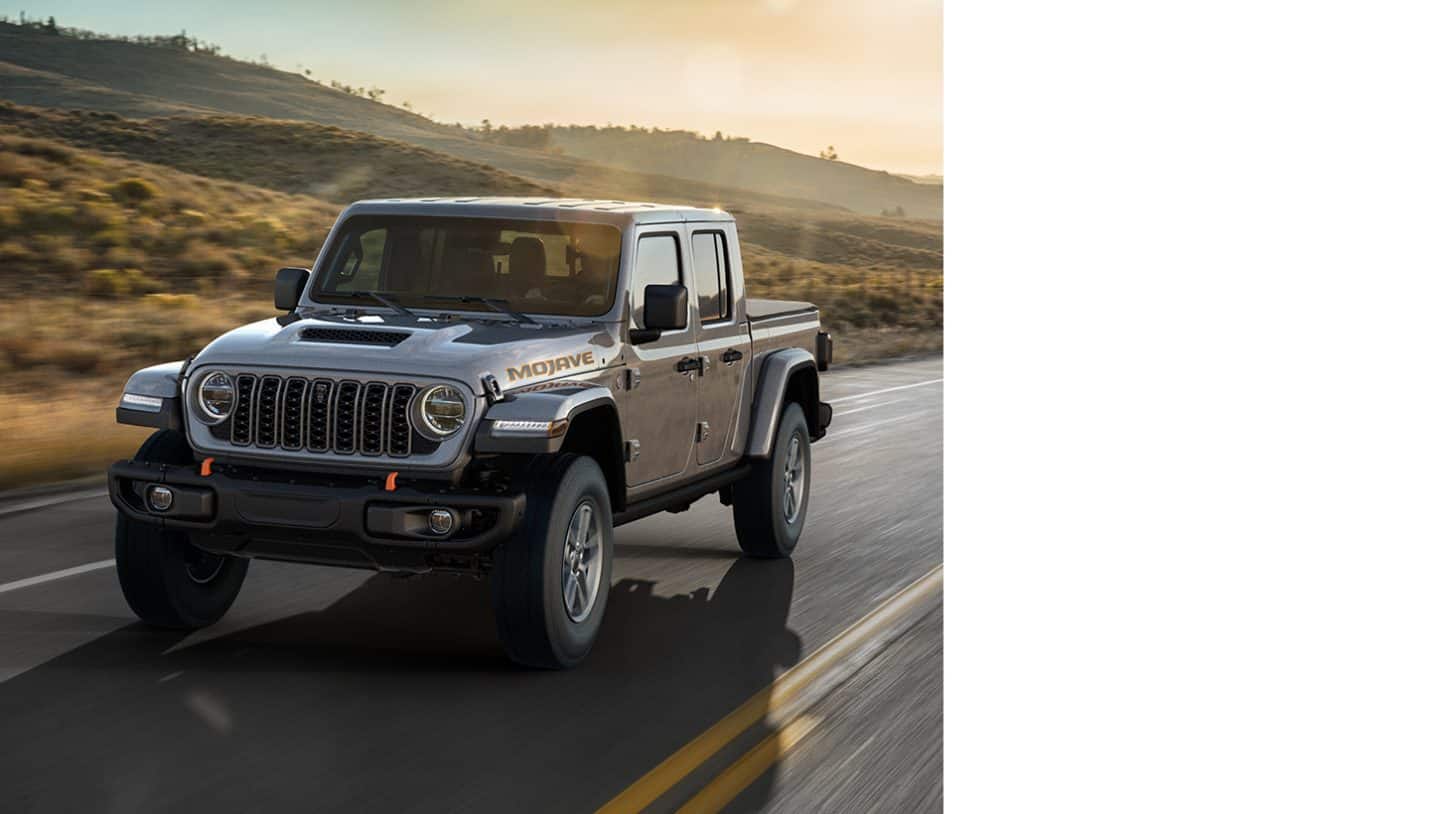
The Jeep Grand Cherokee is a popular midsize SUV. To qualify for Section 179, a vehicle must meet certain requirements:
- Business Use: The vehicle must be used for business at least 50% of the time.
- Gross Vehicle Weight Rating (GVWR): The vehicle must have a GVWR of more than 6,000 pounds to claim the full deduction.
Let’s check how the Grand Cherokee fits these rules.
Gvwr Of Jeep Grand Cherokee
Most Jeep Grand Cherokee models have a GVWR between 6,000 and 6,500 pounds. This means they meet the weight requirement for Section 179. Here’s a quick comparison with other SUVs:
| Vehicle | GVWR (lbs) | Section 179 Eligible? |
|---|---|---|
| Jeep Grand Cherokee | 6,000-6,500 | Yes |
| Honda CR-V | 4,200 | No |
| Chevrolet Tahoe | 7,400 | Yes |
The Grand Cherokee’s weight makes it eligible for the maximum Section 179 deduction, as long as you use it for business.
Business Use Requirement
The IRS requires at least 50% business use. If you use your Jeep for personal and business, only the business portion qualifies. For example, if you use the Grand Cherokee 70% for business, you can only deduct 70% of the purchase price.
How Much Can You Deduct?
The maximum deduction for SUVs like the Grand Cherokee is $28,900 in 2024 for vehicles between 6,000 and 14,000 pounds GVWR. If you buy heavier vehicles, the limit is higher.
Here’s a comparison for deduction limits:
| Vehicle Type | GVWR | 2024 Deduction Limit |
|---|---|---|
| Passenger Car | <6,000 lbs | $12,200 |
| SUV (Grand Cherokee) | 6,000-14,000 lbs | $28,900 |
| Heavy Truck/Van | Over 14,000 lbs | Up to $1,160,000 |
So, if you buy a new Jeep Grand Cherokee for $50,000 and use it 100% for business, you can deduct $28,900 in the first year. If you use it 80% for business, your deduction is 80% of $28,900, which is $23,120.
Steps To Claim Section 179 For Your Grand Cherokee
- Check GVWR: Look at the label inside the driver’s door to confirm the GVWR.
- Determine Business Use: Track how often you use the vehicle for business.
- Keep Documentation: Save all purchase documents and business logs.
- File IRS Form 4562: Report your deduction on this form.
- Talk to a Tax Professional: Section 179 rules can change, and mistakes are costly.
Most beginners forget to keep detailed business logs. The IRS can ask for proof, so record mileage and business trips carefully.
Common Mistakes To Avoid
- Assuming All SUVs Qualify: Some midsize SUVs do not meet the weight requirement.
- Overestimating Business Use: Only the business portion counts.
- Missing Documentation: Not keeping receipts or logs may cause problems during an audit.
A non-obvious insight: Even if your vehicle qualifies, you cannot deduct more than your total taxable income. If your business has low profits, your deduction may be limited.
Real Examples
Many business owners have used Section 179 to buy a Jeep Grand Cherokee. For example, a real estate agent bought a Grand Cherokee for $48,000, used it 90% for business, and deducted $26,010 in the first year.
However, another owner who did not track business use lost their deduction during an IRS audit.
Another insight: Section 179 can be combined with bonus depreciation for additional savings, but the rules differ. Bonus depreciation applies to vehicles used for business, but Section 179 must come first.
Comparing Grand Cherokee With Other Vehicles
If you’re deciding between the Grand Cherokee and other SUVs, consider the tax deduction, price, and business suitability.
| Vehicle | Price (Average) | Section 179 Deduction | Business Features |
|---|---|---|---|
| Jeep Grand Cherokee | $50,000 | $28,900 | Spacious, Off-Road |
| Ford Explorer | $42,000 | $28,900 | Comfort, Tech |
| Toyota Highlander | $44,000 | $12,200 | Reliability |
This shows that the Grand Cherokee is a strong choice for business owners who need both space and tax benefits.
Final Thoughts
The Jeep Grand Cherokee qualifies for Section 179 if it meets the weight and business use requirements. You can deduct up to $28,900 in 2024, which is a big saving. But you must keep good records and understand the rules.
Always check the GVWR label and track your business use. Consult a tax professional before making your purchase to avoid mistakes.
For more official details, visit the IRS website or trusted resources like IRS Publication 946.

Frequently Asked Questions
Can I Deduct The Full Price Of A Jeep Grand Cherokee Under Section 179?
No, the maximum deduction for SUVs like the Grand Cherokee is $28,900 in 2024, not the full purchase price.
Does Leasing A Jeep Grand Cherokee Qualify For Section 179?
Leasing usually does not qualify. Section 179 is for purchases, not leases. However, you can deduct lease payments as a business expense.
What Happens If I Use The Grand Cherokee For Personal Trips?
Only the percentage used for business can be deducted. If you use it 60% for business, only 60% of the deduction applies.
Is Bonus Depreciation Available For The Jeep Grand Cherokee?
Yes, you can use bonus depreciation after Section 179, which allows you to deduct more, but rules are different and changing.
Do I Need To Prove Business Use To The Irs?
Yes, you must keep detailed logs of business mileage and trips. The IRS may ask for proof during an audit.