Is Jeep A Brand Name?
Many people recognize the word “Jeep,” but there is often confusion about what it really means. Is Jeep just a type of vehicle, a military term, or is it truly a brand name?
This question matters, especially for buyers, car fans, and anyone interested in automotive history.
Let’s dive into the facts and clear up the story behind Jeep.
The Origin Of The Jeep Name
The story of Jeep begins during World War II. The U.S. Army needed a light, tough vehicle that could go almost anywhere. Several companies, including Willys-Overland and Ford, helped design and build these vehicles. Soldiers started calling these all-purpose vehicles “jeeps,” but the reason for the name is still debated.
One theory is that “jeep” came from the slurring of “G. P.
,” which stood for “General Purpose” or “Government Purpose. ” Another idea links it to a character named “Eugene the Jeep” from the Popeye comic, known for his ability to go anywhere.
In both cases, the name stuck, and soon “jeep” meant a small, tough military vehicle.
Jeep As A Registered Brand
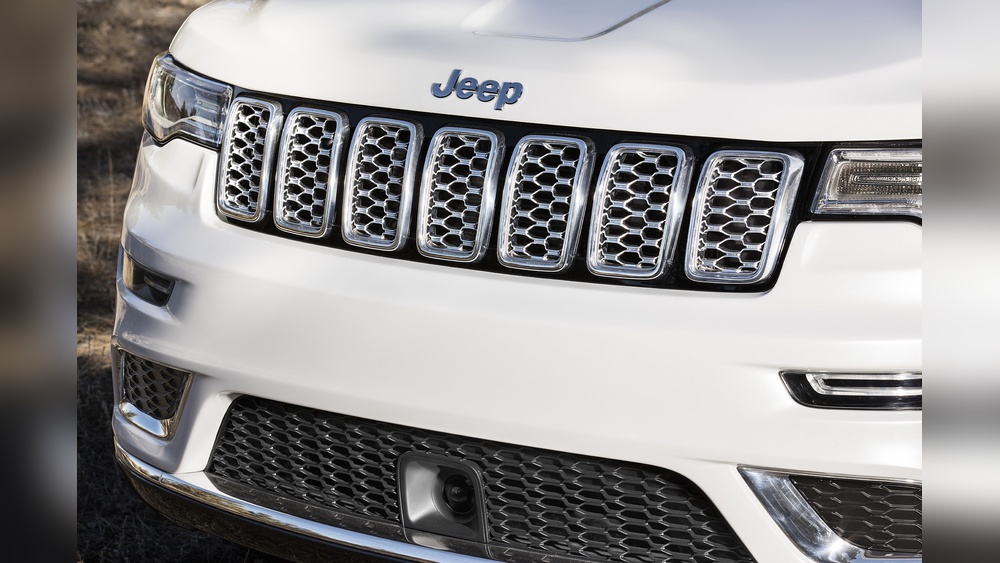
After the war, Willys-Overland wanted to build civilian versions of the military Jeep. To protect the name, Willys applied to trademark “Jeep” in 1943. In 1950, they officially registered it, making Jeep a legal brand name.
Today, Jeep is a brand owned by Stellantis (previously Fiat Chrysler Automobiles). Only vehicles made by this company can use the official Jeep name and logo.
Here’s a look at Jeep’s brand ownership over time:
| Year | Owner |
|---|---|
| 1941–1953 | Willys-Overland |
| 1953–1987 | Kaiser, then AMC |
| 1987–2021 | Chrysler (later FCA) |
| 2021–Present | Stellantis |
Jeep: Brand Or Generic Term?
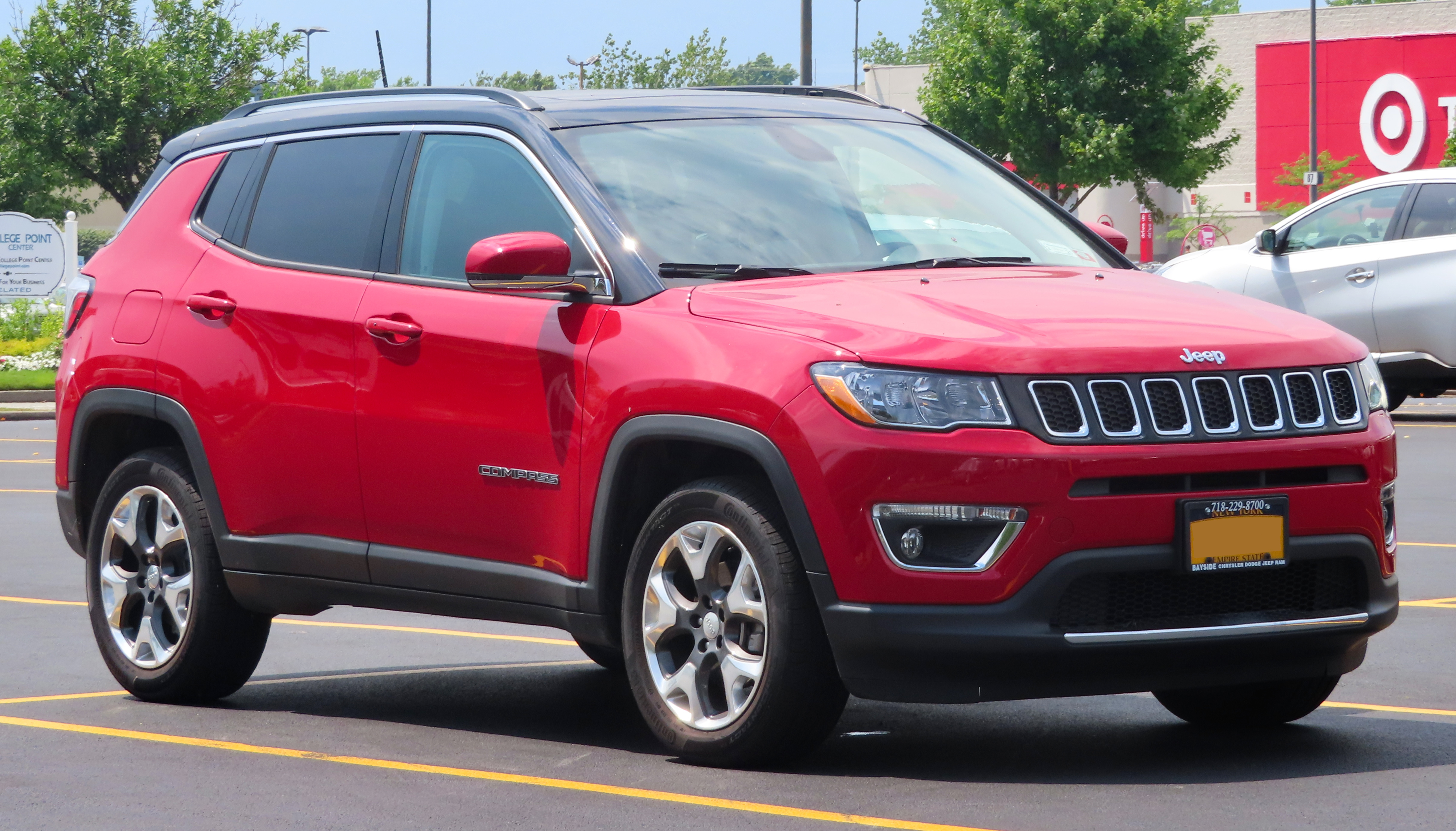
Some people use “jeep” to describe any small, boxy off-road vehicle, but this is not correct. Only vehicles officially made by the Jeep brand have the right to use the name with a capital “J.” Other brands, like Suzuki or Land Rover, make similar vehicles, but they are not Jeeps.
This confusion is common in some countries where “jeep” became a generic word for rugged vehicles. However, in the United States and most of the world, Jeep is a registered trademark. Companies that try to use the name for non-Jeep vehicles can face legal issues.
A quick comparison:
| Vehicle | Brand | Officially a Jeep? |
|---|---|---|
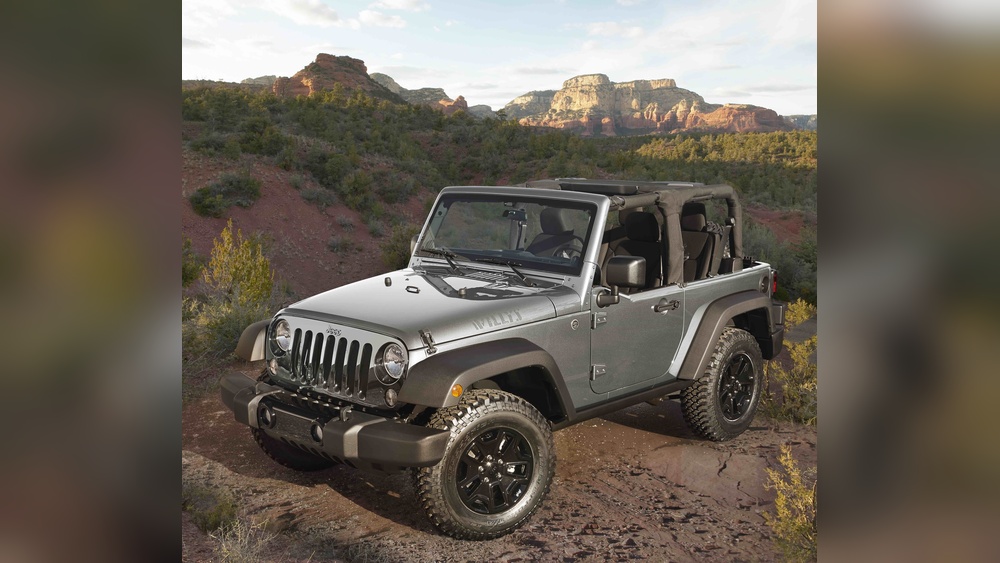
| Wrangler | Jeep | Yes |
| Jimny | Suzuki | No |
| Defender | Land Rover | No |
| Bronco | Ford | No |
How Jeep Became A Strong Brand
The success of the Jeep brand comes from its deep history and unique design. Jeep vehicles are known for their:
- 4×4 capability: Excellent off-road performance
- Rugged looks: Boxy, practical style
- Durability: Built to last in tough conditions
Jeep’s brand power has grown over decades. Today, it is one of the most recognized car brands in the world.
According to Statista, Jeep sold over 770,000 vehicles in the United States in 2023. That’s more than most other SUV brands.
Another reason Jeep stands out is its loyal fan community. Many Jeep owners join clubs, attend off-road events, and customize their vehicles.
This culture helps keep the brand strong and unique.

Common Myths About Jeep
Many people believe myths about the Jeep name. Here are two that often confuse buyers:
- All off-road vehicles are Jeeps: As explained, only vehicles made by the Jeep brand are true Jeeps.
- Jeep stands for “Just Enough Essential Parts”: This is a fun saying, but it’s not the real meaning. The real origin of “Jeep” is more likely from military use or pop culture, not as an acronym.
Jeep Branding In Other Countries
In some places, the Jeep name has become so common that it means any off-road vehicle. For example, in the Philippines, the “jeepney” is a famous form of public transport, inspired by old military Jeeps.
However, these vehicles are not made by the Jeep brand.
Laws about trademarks are strict in the United States and Europe. If a company tries to sell a vehicle using the name “Jeep” without permission, they can face lawsuits.
This protects the brand and keeps it unique.
Here is a quick look at how Jeep compares with other SUV brands:
| Brand | Country | Main Specialty |
|---|---|---|
| Jeep | USA | Off-road SUVs |
| Land Rover | UK | Luxury and off-road SUVs |
| Toyota | Japan | Reliable SUVs and trucks |
| Ford | USA | Pickup trucks and SUVs |

Non-obvious Insights For Beginners
One detail beginners often miss is that Jeep’s trademark is still actively protected. Even big automakers avoid using the word “jeep” in advertising for their off-road vehicles. Also, while Jeep is famous for its SUVs, it has also made trucks and even military vehicles for different armies.
Another thing: Jeep’s value as a brand is higher than many think. According to Forbes, the Jeep brand alone was valued at over $6 billion in 2022. That’s more than some entire car companies.
For more on Jeep history and its impact, see the Wikipedia Jeep article.
Frequently Asked Questions
Is Jeep A Brand Or Just A Type Of Car?
Jeep is a registered brand name for a line of vehicles made by Stellantis. While some people use “jeep” to mean any small off-road car, only official Jeep vehicles can use the name legally.
Who Owns The Jeep Brand Today?
Stellantis owns Jeep. Stellantis was formed after Fiat Chrysler Automobiles merged with PSA Group in 2021.
Why Do People Call All Off-road Vehicles “jeeps”?
This happens because the original Jeep was so influential during and after World War II. In some countries, “jeep” became a general word for off-road vehicles, but this is not correct from a trademark view.
What Makes Jeep Vehicles Special?
Jeep vehicles are famous for their 4×4 drive, durable design, and strong off-road abilities. They also have a unique style and a large community of fans.
Can Other Companies Use The Name “jeep”?
No, only Stellantis and its Jeep division can use the name “Jeep” for vehicles. Using the name without permission can lead to legal action.
Jeep is much more than just a type of vehicle—it is a powerful, protected brand with a rich history and a unique place in the automotive world. Understanding this helps car buyers and fans appreciate what makes Jeep special.