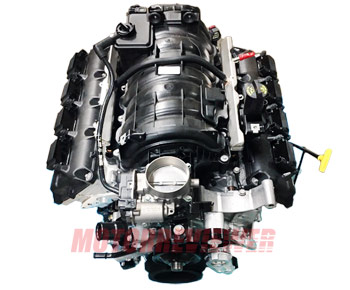
If you’re thinking about the Jeep 5. 7 Hemi engine, you probably want to know: is it a good engine?
This V8 powerplant is famous for its muscle and has powered many Jeep models for years. But is it reliable, efficient, and worth choosing over other options?
Let's break down all 57 key aspects that matter when deciding if the Jeep 5. 7 Hemi is right for you.
Performance
- Horsepower: The 5.7 Hemi delivers around 360 horsepower—enough for strong acceleration.
- Torque: You get up to 390 lb-ft of torque, ideal for towing and off-road.
- 0-60 mph time: Many Jeeps with this engine reach 0-60 mph in under 7 seconds.
- Towing capacity: Can handle up to 7,200 pounds in some models.
- Top speed: Most models top out near 130 mph—plenty for an SUV.
- Power delivery: Smooth and linear, thanks to modern electronics.
- Response time: Throttle is sharp, making the Jeep feel lively.
Reliability
- Long-term durability: Known to reach 200,000+ miles with care.
- Common issues: Some report lifters and cam wear if oil changes are neglected.
- Recall history: Several recalls, but most have been minor or fixed under warranty.
- Parts availability: High, since it’s a popular engine.
- Mechanic familiarity: Most US mechanics know the 5.7 Hemi well.
- Cold start reliability: Starts well in most climates.
- Overheating risk: Rare, but possible if cooling system is ignored.
Fuel Economy
- City MPG: Around 13-15 mpg in real-world driving.
- Highway MPG: Up to 22 mpg when cruising.
- Fuel type: Runs on regular unleaded.
- Fuel tank range: Usually 400+ miles per tank on the highway.
- Cylinder deactivation: Shuts off cylinders to save fuel at low loads.
- E85 compatibility: Most are not flex-fuel, so use regular gas.
Maintenance
- Oil changes: Every 5,000–7,500 miles recommended.
- Spark plugs: Needs 16 plugs (2 per cylinder), so tune-ups cost more.
- Timing chain: No belt to replace—uses a chain for long life.
- Air filter: Easy to access and replace.
- Transmission fluid: Important to change at recommended intervals.
- Cooling system: Flushing every 100,000 miles helps prevent issues.
- Cost of ownership: Slightly higher than V6, but not excessive.
Design And Technology
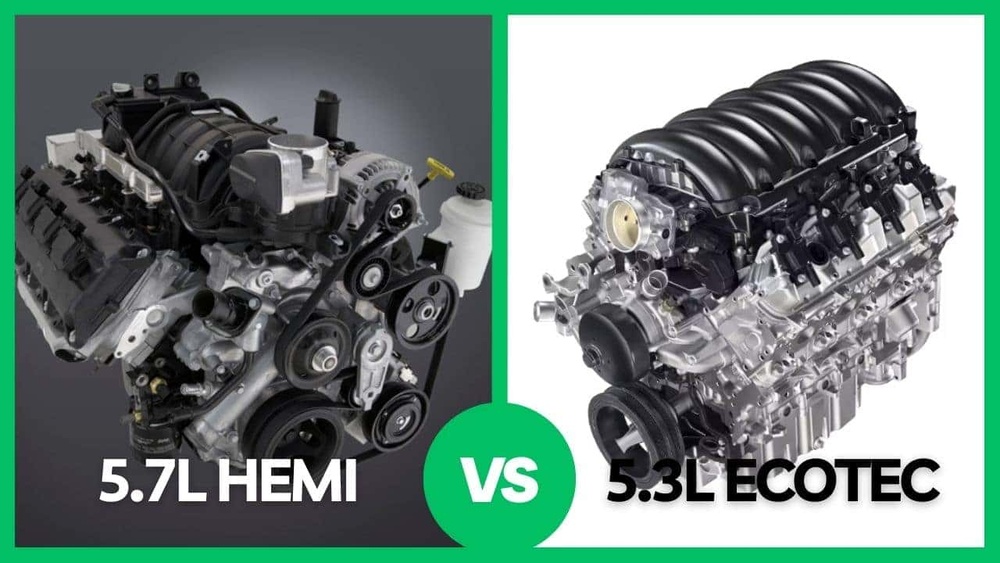
- Hemi head design: Unique hemispherical combustion chambers for better airflow.
- Aluminum heads: Reduces weight, improves cooling.
- Pushrod architecture: Simple, proven V8 layout.
- Variable valve timing: Improves efficiency and power.
- Modern fuel injection: Offers smooth starts and better emissions.
- Electronic throttle: No throttle cable, means fewer moving parts.
- Active noise control: Some models reduce cabin noise from the engine.
Real-world Experience
- Off-road ability: Provides strong low-end torque for climbing.
- On-road comfort: Quiet and smooth at highway speeds.
- City driving: Feels big, but power is always available.
- Winter driving: Warm-up is quick; no major cold-weather complaints.
- Towing stability: Heavy loads feel manageable and safe.
- High-altitude performance: Maintains power well above 5,000 feet.
- Heat management: Engine stays cool in heavy traffic if maintained.
Cost Factors
- Initial cost: Jeep models with 5.7 Hemi usually cost more than V6 versions.
- Resale value: Models with this engine often hold value better.
- Insurance: Slightly higher than V6 due to performance.
- Repair costs: V8 repairs can be pricier, but nothing extreme.
- Aftermarket upgrades: Huge market for performance parts.
- Warranty coverage: Most issues are covered in the first 60,000 miles.
Environmental Impact
- Emissions: Higher than a V6, but meets modern US standards.
- Catalytic converter: Dual converters for cleaner exhaust.
- Engine recycling: Easy to rebuild or recycle at end of life.
- Noise output: Deep V8 rumble, but not too loud for neighborhoods.

Owner Satisfaction
- Owner ratings: Most owners give high marks for power and reliability.
- Community support: Strong online forums and clubs for help.
- Brand reputation: The 5.7 Hemi has a loyal following.
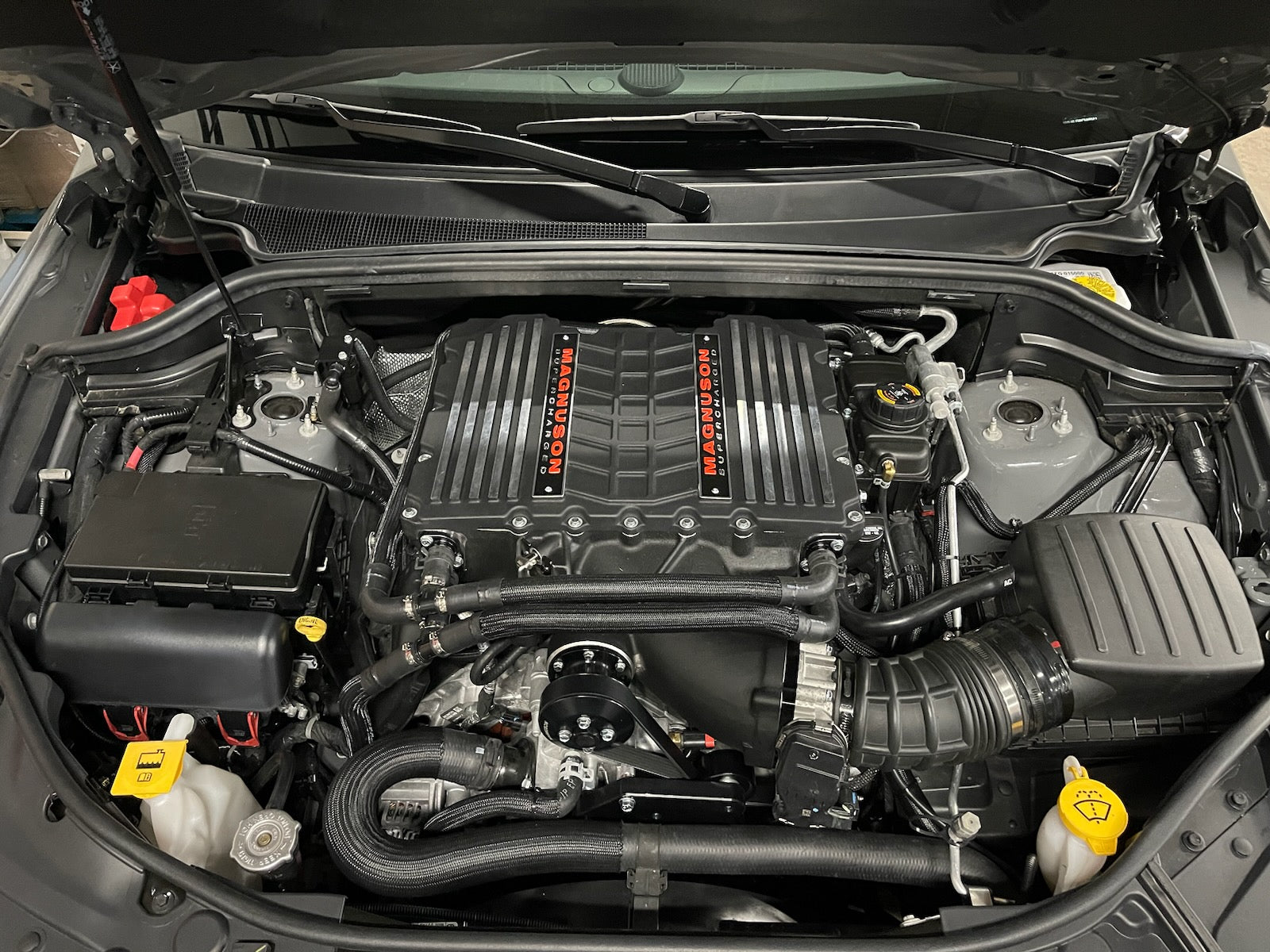
- Upgrade potential: Many owners add superchargers or exhausts.
- Customization: Fits into many aftermarket builds.
- Fun factor: Strong acceleration and sound make it enjoyable.
How The 5.7 Hemi Compares
To see where the 5.7 Hemi stands, here’s a look at how it compares with other Jeep engines:
| Engine | Horsepower | Torque (lb-ft) | City MPG | Highway MPG |
|---|---|---|---|---|
| 3.6L Pentastar V6 | 293 | 260 | 19 | 26 |
| 5.7L Hemi V8 | 360 | 390 | 15 | 22 |
| 6.4L Hemi V8 | 475 | 470 | 13 | 18 |
Not-so-obvious Insights
Many buyers overlook two things. First, spark plug changes are more expensive since this V8 uses 16 plugs, not 8. Second, the fuel management system can sometimes feel odd as it switches between 8 and 4 cylinders, especially in older models—this is normal and saves fuel.
Example: Real-world Maintenance Cost
Here’s what average yearly maintenance might look like:
| Service | Cost (USD) |
|---|---|
| Oil changes (2x/year) | $120 |
| Spark plugs (every 30k mi) | $250 |
| Air filter | $25 |
| Other (fluids, belts) | $100 |
Should You Choose The Jeep 5.7 Hemi?
If you want power, towing ability, and classic V8 feel, the 5.7 Hemi is a smart pick. Maintenance is a bit higher than a V6, but most owners feel the extra cost is worth it for the performance. If you want better fuel economy, the V6 is better. But for serious work, fun, and sound, the 5.7 Hemi stands strong.
For more technical specs, see the Chrysler Hemi engine article.
Frequently Asked Questions
What Jeeps Use The 5.7 Hemi Engine?
The Grand Cherokee and some Commander models have used the 5.7 Hemi.
How Long Does The Jeep 5.7 Hemi Last?
With proper care, many owners report 200,000 miles or more.
Is The 5.7 Hemi Good For Towing?
Yes, it tows up to 7,200 pounds when properly equipped.
Does The 5.7 Hemi Have Cylinder Deactivation?
Yes, it shuts off half the cylinders at light loads to save fuel.
Are Repairs Expensive On The 5.7 Hemi?
Some parts, like spark plugs, cost more, but most repairs are average for a V8.