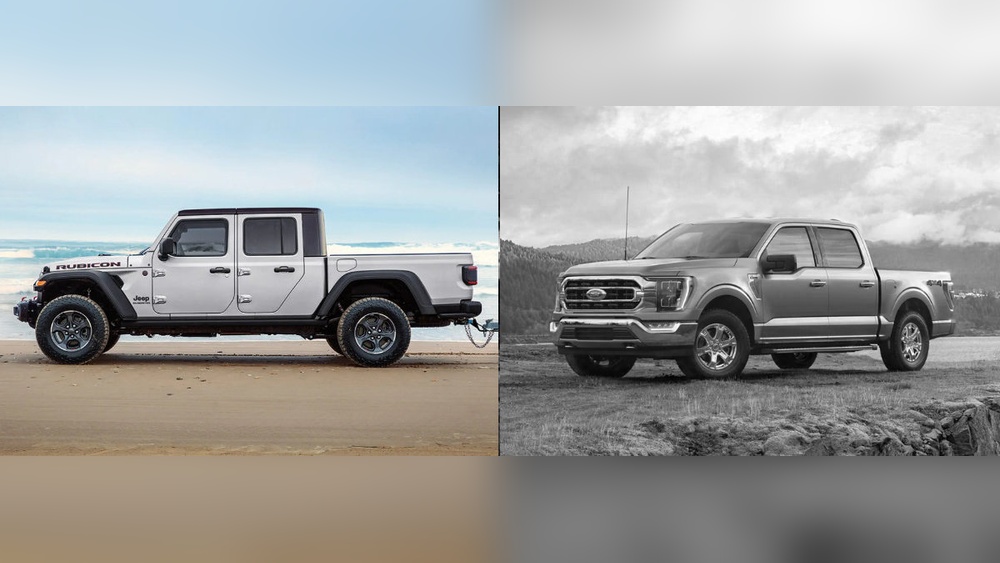
Snow performance depends on tires, drivetrain, ground clearance, weight and driver decisions. Comparing a Jeep badge with the word “truck” is too broad until the exact vehicles are known.
Quick Answer
A Jeep is not automatically better than a truck in snow, and a truck is not automatically safer. Tires, drivetrain, weight distribution, ground clearance, stability systems and driver behavior matter more than the badge.
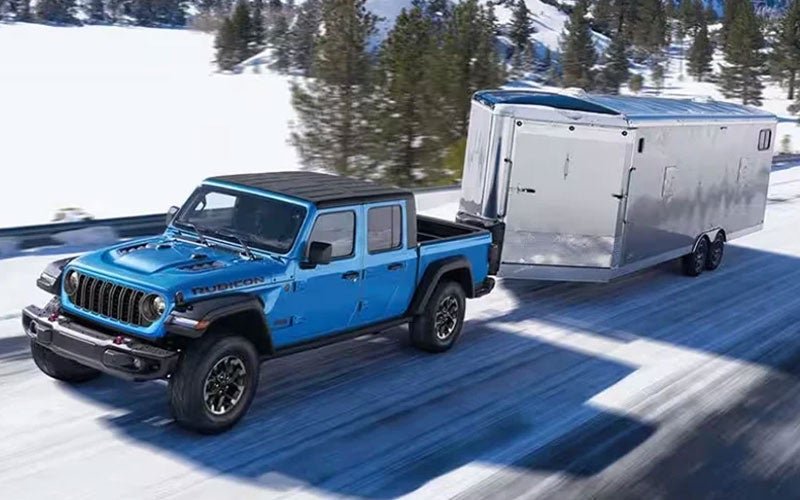
Compare the Actual Drivetrain
Part-time 4WD, full-time systems and selectable terrain modes behave differently.
Think About Weight and Wheelbase
A pickup with an empty bed and a short-wheelbase Jeep may behave differently on slick roads.
Leave More Braking Distance
Four-wheel drive helps acceleration but does not cancel ice or shorten every stop.
Tires Decide More Than the Badge
Winter tires with adequate tread usually matter more than brand arguments. Inspect tire age, pressure and tread depth before comparing traction systems.
Carry a Winter Plan
Keep a scraper, warm clothing, phone charger and route plan. Four-wheel drive helps movement, but it does not shorten braking distance on ice.
Braking Remains the Limiting Factor
Four-wheel drive may help a vehicle move, but it does not create shorter stopping distance on ice. Slow down earlier, leave space and avoid abrupt steering inputs.
A Pickup Bed Changes Winter Behavior
An unloaded truck may carry less weight over the rear axle. Compare the exact truck setup, tires and cargo rather than assuming every pickup performs the same way.
Practice Before the Storm
Use a safe open area to understand braking and steering response before roads become crowded. A winter plan should include scraper, warm clothing, phone power and a route choice.
Start With Winter Tires
In snow, tire compound, tread depth and pressure often matter more than the badge on the grille. Compare the actual tires fitted to the Jeep and truck.
Replace worn or unsuitable tires before judging the vehicle platform.
Four-Wheel Drive Does Not Shorten Braking Distance
Extra driven wheels may help the vehicle move, but braking still depends on tire grip, speed and road surface. Leave more following distance and slow down before corners.
Do not use traction during acceleration as proof that the road is safe.
Check the Drive System Before the Storm
Read the selector labels and manual before winter weather arrives. Practice the approved shift sequence on a suitable surface.
A part-time system, automatic mode and low range serve different purposes.
Key Details to Check
| Item | What to verify | Why it matters |
|---|---|---|
| Factor | Winter tires | Improves grip during acceleration, cornering and braking |
| Factor | Drivetrain mode | Must suit the surface and vehicle |
| Factor | Weight distribution | Changes stability and traction |
| Factor | Driver speed | Controls the margin for mistakes |
Compare Ground Clearance With Stability
A higher vehicle may clear deeper snow while also feeling different during quick steering inputs. Drive smoothly and keep cargo secure.
Choose the platform that fits the roads you face most often.
Carry a Winter Kit
Add a scraper, gloves, flashlight, charging cable, recovery strap where appropriate and emergency supplies. Route planning and patience often matter more than winning an online Jeep-versus-truck argument.
Practice Before the First Heavy Snow
Find a safe open area during light conditions and learn how the vehicle responds to gentle braking and steering. Familiarity is more useful than testing limits after the roads become dangerous.
Clear Snow From the Whole Vehicle
Remove snow and ice from windows, mirrors, lights, roof and hood before driving. Visibility and loose roof snow matter regardless of whether the vehicle is a Jeep or truck.
Plan for Recovery Without Overconfidence
Carry rated equipment suited to the vehicle and understand where recovery points are located. Avoid attaching straps to unverified parts.
When the situation exceeds your experience, request assistance.
Compare Visibility and Cargo Security
Winter ownership includes clearing glass, storing recovery gear and keeping emergency supplies accessible. Check mirror view, cargo tie-downs and whether loose items can move during abrupt braking.
Use Weather Forecasts to Change the Plan
A route that is manageable in light snow may become unsafe during ice, wind or poor visibility. Leave earlier, choose major roads and postpone unnecessary travel when the forecast worsens.
Check Tire Pressure as Temperature Changes
Cold weather changes tire pressure. Inspect all four tires and the spare where relevant before a trip.
A pressure warning or visibly low tire deserves attention before comparing traction systems.
Use Smooth Inputs
Gentle steering, acceleration and braking reduce sudden loss of grip. Avoid cruise control when road conditions make speed adjustments frequent.
The safer snow vehicle still depends on calm decisions behind the wheel.
Recheck the Brakes Before Winter
A winter comparison is incomplete when braking performance is ignored. Inspect pads, tires and warning lights before poor weather arrives, then keep extra distance on every slippery route.
Start With Tires
Good winter tires often make a larger difference than the vehicle category.
Step-by-Step Review
- Check tire condition and pressure.
- Identify the drivetrain mode.
- Practice gentle inputs in a safe area.
- Increase following distance.
- Slow down before curves and hills.
Common Mistakes to Avoid
- Driving too quickly because 4WD is engaged
- Ignoring winter tires
- Assuming a heavy vehicle stops faster
Does 4WD help on snow?
It may improve traction during acceleration, but tires and speed still matter.
Are trucks always better in deep snow?
Not always. Compare clearance, tires, weight and the exact route.
What is the first winter upgrade?
Start with suitable tires and a maintenance check.
- Best Winter Tires For Jeep
- Best Winter Tires For Jeep Grand Cherokee
- Is A Jeep Or Bronco Better A Detailed Comparison
Final Takeaway
Snow performance comes from suitable tires, careful speed and the exact drivetrain. Compare real vehicles and remember that four-wheel drive does not shorten stopping distance.