Driving a Jeep Wrangler is about adventure and capability. But many owners feel unsure about using the 4 wheel drive system.
It’s easy to make mistakes, especially if you haven’t driven a 4WD vehicle before. This guide will help you understand how to use 4 wheel drive in your Jeep Wrangler.
You’ll learn how each mode works, when to use them, and avoid common errors. With clear steps and real-world examples, you’ll feel confident heading off-road or driving in tough weather.
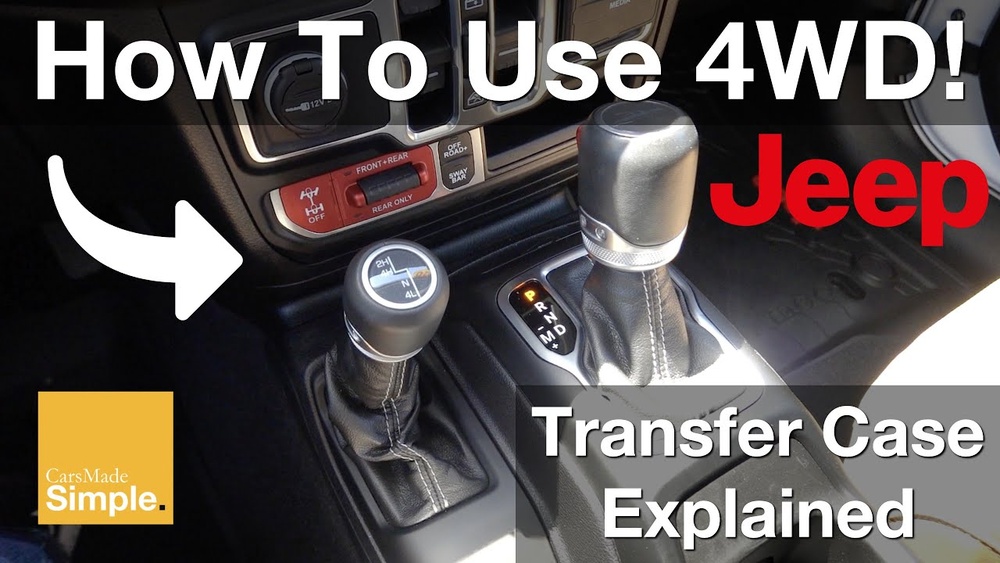
Understanding Jeep Wrangler 4 Wheel Drive Modes
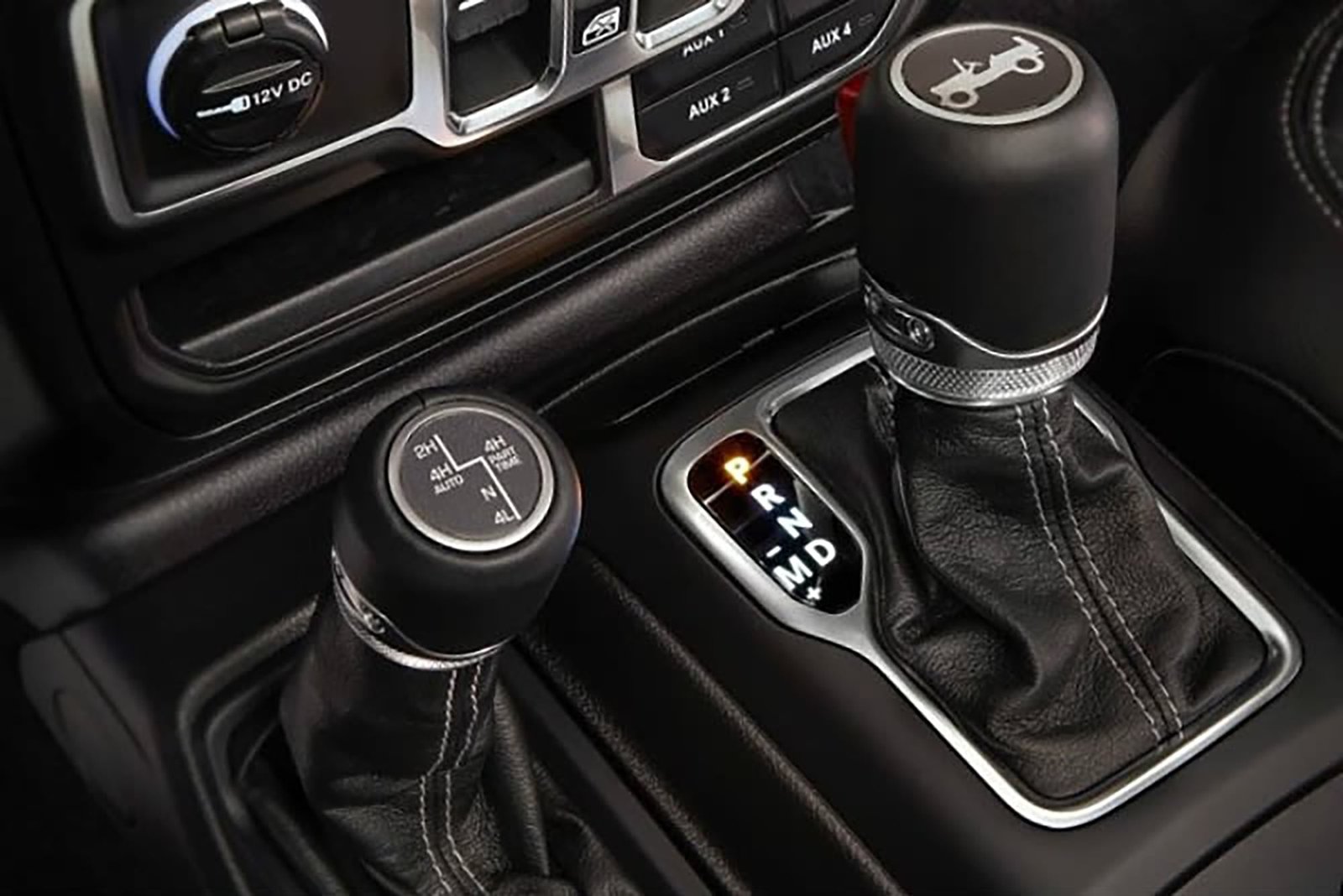
The Jeep Wrangler comes with four main 4WD modes. Each mode is designed for specific driving conditions.
Using the right mode protects your vehicle and makes your ride safer.
| Mode | Purpose | Typical Use |
|---|---|---|
| 2H | Normal driving | Dry pavement |
| 4H | Traction boost | Rain, snow, sand, gravel |
| 4L | Low speed power | Deep mud, rocks, steep hills |
| Neutral | Disengaged drive | Towing only |
Let’s look at each mode and how to use it.
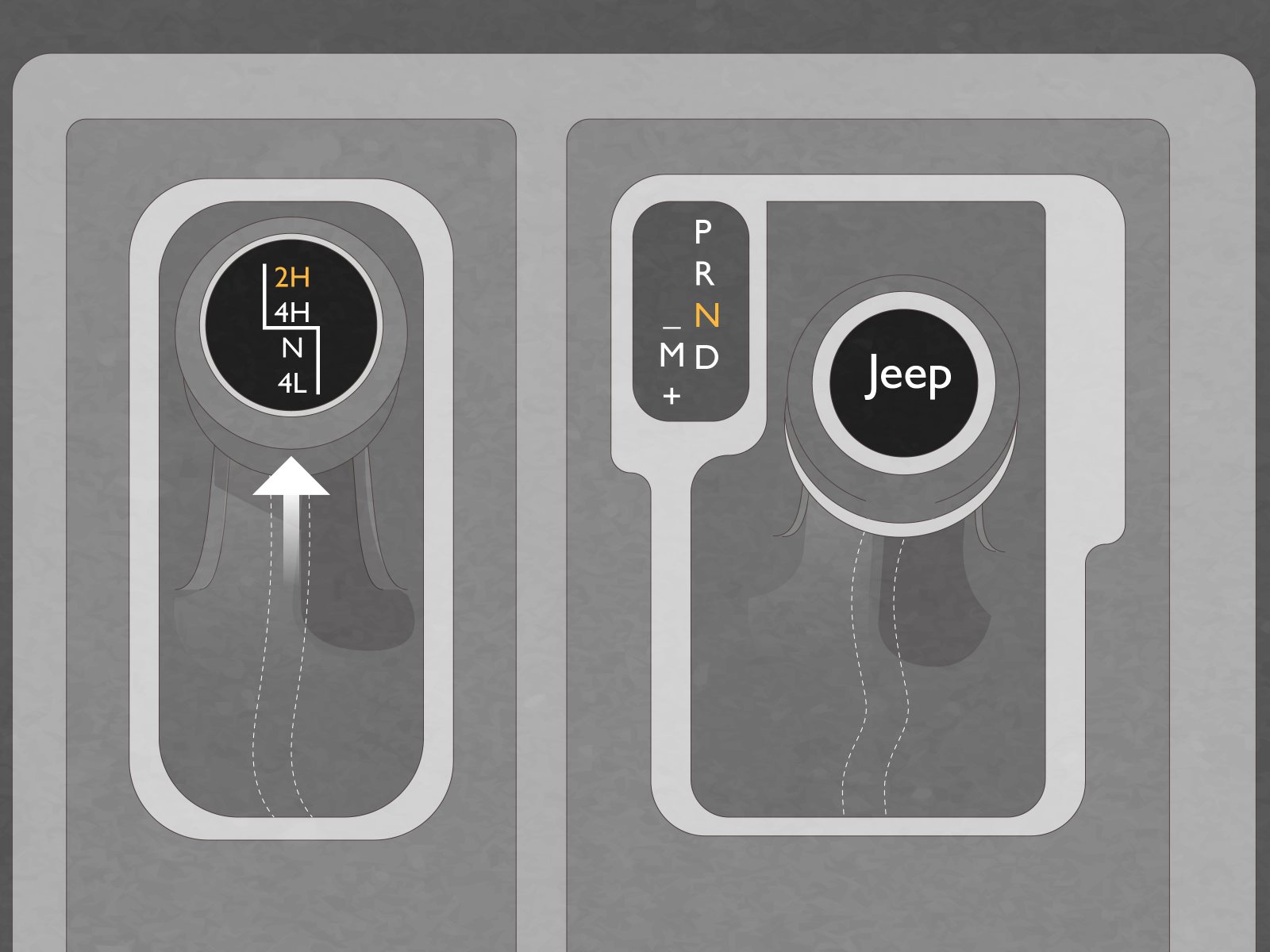
2h (two Wheel High)
This is the default mode. In 2H, your Jeep uses rear wheel drive. It’s best for everyday driving on dry, paved roads. You get maximum fuel efficiency and smooth handling.
- To use 2H, make sure your transfer case lever is in the 2H position.
- Switching to 2H is easy: Just move the lever while stopped or driving straight at low speeds.
- Avoid using 2H on slippery or loose surfaces; you may lose traction.
Tip: Many drivers forget to switch back to 2H after off-roading. This leads to extra wear and lower gas mileage.
4h (four Wheel High)
Use 4H when you need better traction. This mode sends power to all four wheels. It’s perfect for wet roads, light snow, sand, or gravel.
- Shift to 4H at speeds below 55 mph. You can do this while moving (“shift-on-the-fly”), but always drive straight.
- Don’t use 4H on dry pavement. The tires may bind and damage the drivetrain.
Example: If you’re driving through a sudden snowstorm, switch to 4H for safer control.
| Mode | Fuel Efficiency | Traction |
|---|---|---|
| 2H | High | Low |
| 4H | Medium | High |
| 4L | Low | Very High |
4l (four Wheel Low)
4L is for extreme conditions. This mode gives maximum torque at low speeds. It helps when climbing rocks, crossing deep mud, or descending steep hills.
- To shift to 4L, stop the Jeep and put the transmission in neutral. Move the transfer case lever to 4L. Wait for the indicator light.
- Never use 4L for normal driving. It’s only for tough terrain where you need slow, controlled movement.
- Driving fast in 4L can damage the system.
Non-obvious insight: Many beginners think 4L means more speed. Actually, it’s for power at slow speeds, not faster driving.
Neutral
The Neutral position disconnects the wheels from the engine. It’s used only when towing your Jeep with all four wheels on the ground.
- To engage Neutral, stop the vehicle, shift the transmission to neutral, then move the transfer case lever to Neutral.
- Never drive in Neutral. It won’t move the vehicle and can harm the transfer case.
Common mistake: Some drivers accidentally shift to Neutral instead of 4H or 4L. Always check the indicator light before moving.
When And How To Switch Modes
Knowing when to use each mode is key to keeping your Jeep safe and reliable. Here’s a quick guide:
- 2H: Use for city driving, highways, and dry roads.
- 4H: Use for rain, snow, mud, sand, and loose gravel.
- 4L: Use for steep hills, deep mud, rocks, and slow off-roading.
- Neutral: Only for towing.
Step-by-step: Shifting Between Modes
- From 2H to 4H: Slow down to under 55 mph, drive straight, and shift the lever. No need to stop.
- From 4H to 4L: Stop the Jeep, put transmission in neutral, shift lever to 4L, wait for the light.
- From 4L to 2H: Stop, put in neutral, shift lever back to 2H.
Tip: Shifting while turning or at high speed can cause loud noises or damage.
Driving Tips For 4 Wheel Drive
Using 4WD is not just about shifting modes. Here are practical tips:
- Check tire pressure before off-roading. Uneven tires reduce traction.
- Avoid sharp turns in 4H or 4L. This can cause tire binding.
- Don’t overuse 4L. Only use it for real obstacles. Staying in 4L too long overheats the system.
- Practice shifting in a safe area before heading out. Familiarity prevents mistakes.
Protecting Your Jeep Wrangler
Proper use of 4 wheel drive extends the life of your Jeep. Here’s what to watch for:
| Mode | Risk If Misused | Common Mistake |
|---|---|---|
| 2H | Stuck in mud/snow | Not switching to 4H |
| 4H | Drivetrain damage | Using on dry roads |
| 4L | System overheating | Using for speed |
| Neutral | Vehicle won’t move | Accidental shift |
Pro insight: After off-road trips, check for mud or stones in the wheels and undercarriage. These can affect handling and cause wear.
Frequently Asked Questions
How Do I Know Which 4wd Mode To Use?
Check the road or terrain. Use 2H for normal roads, 4H for slippery conditions, and 4L for rough or steep terrain. If you’re towing, use Neutral.
Can I Shift Into 4h While Driving?
Yes, you can switch to 4H at speeds below 55 mph if you’re driving straight. Always avoid shifting when turning or at high speed.
Should I Use 4h Or 4l For Deep Snow?
Start with 4H for most snow. Use 4L only if you get stuck or need extra power at low speed.
Is It Bad To Drive On Dry Pavement In 4h?
Yes, driving in 4H on dry pavement can cause tire binding and damage the drivetrain. Switch back to 2H when the road is clear.
Where Can I Learn More About Jeep Wrangler 4wd?
For more details, visit the official Jeep website: Jeep Wrangler.
Getting comfortable with your Jeep Wrangler’s 4 wheel drive is about practice and understanding. Use the right mode for the right situation, follow these tips, and you’ll enjoy safe, reliable driving anywhere.
Remember, knowing your vehicle is the first step to adventure.