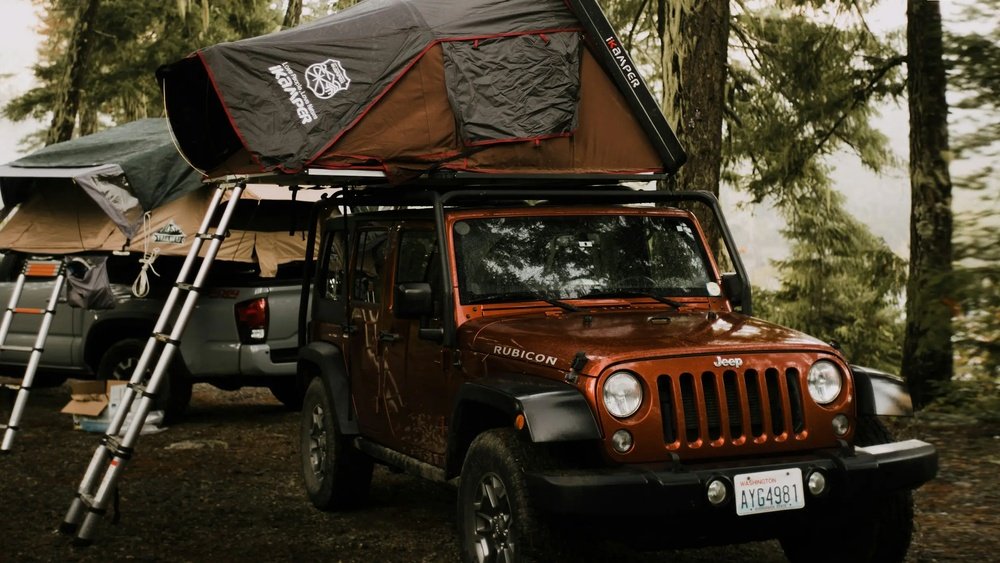
Turning your Jeep into a camper is a dream for many adventure lovers. It combines the freedom of the open road with the comfort of having your own mobile home.
With a few smart upgrades, your Jeep can become a cozy, practical space for camping—perfect for road trips, weekend getaways, or even longer journeys. This guide will show you how to make the transformation, step by step, without breaking the bank or sacrificing safety.
Planning Your Jeep Camper Build
Before you begin, it’s important to plan carefully. Not every Jeep model is ideal for camping, but most can be adapted. The first step is to decide how you want to use your camper: will you sleep inside, cook meals, or need space for gear? Set a budget, list your must-haves, and measure your Jeep’s interior.
| Jeep Model | Interior Length | Ideal for Sleeping? |
|---|---|---|
| Wrangler 4-Door | 72 inches | Yes |
| Wrangler 2-Door | 52 inches | Limited |
| Cherokee | 70 inches | Yes |
| Renegade | 60 inches | Possible |
Non-obvious tip: Always check your Jeep’s rear seat folding mechanism. Some models have seats that fold flat, while others create awkward bumps. This affects comfort and storage.
Sleeping Solutions
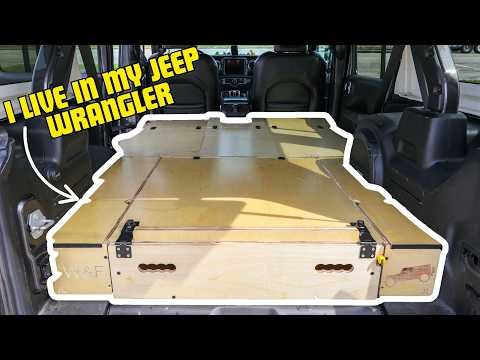
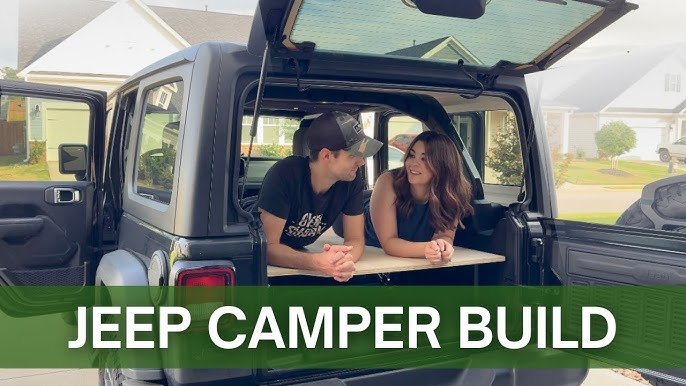
Sleeping inside your Jeep is the core of camper conversion. You can use a folding mattress or build a custom sleeping platform. Foam mattresses are popular because they are lightweight and easy to cut. If you want more storage, a raised platform lets you stash gear underneath.
- Measure your Jeep’s rear cargo area.
- Choose a mattress that fits—memory foam is best for comfort.
- Build a platform from plywood if you need extra storage.
- Use bedding that packs small, like sleeping bags or compact blankets.
| Sleeping Option | Comfort Level | Storage Space |
|---|---|---|
| Foam Mattress | High | Low |
| Raised Platform | Medium | High |
| Sleeping Bag Only | Low | High |
Beginner insight: Avoid air mattresses—they lose air in cold weather and are not reliable for multi-night trips.
Storage And Organization
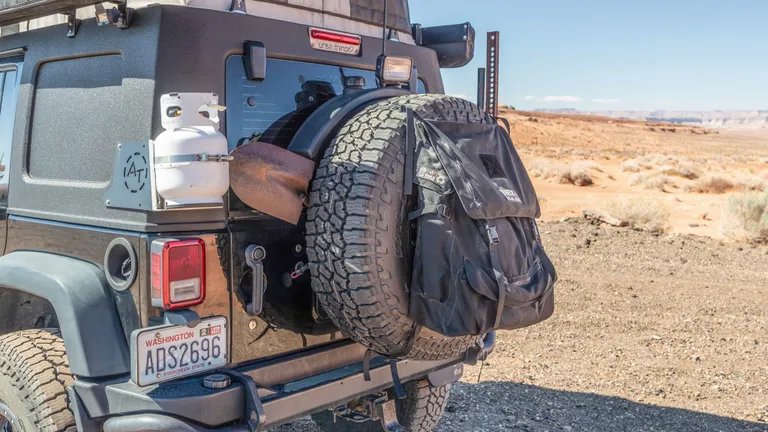
Smart storage is key for a comfortable camper. Use modular bins to keep gear sorted. Secure heavy items to prevent movement while driving. Install roof racks for large or bulky items like tents or kayaks.
- Stackable plastic bins for food, tools, and clothes
- Hanging organizers for small items (flashlights, chargers)
- Roof box or rack for extra gear
Pro tip: Use Velcro or bungee cords to secure bins. This prevents sliding and makes packing faster.
Cooking And Eating
Cooking in a Jeep camper can be simple and safe. Portable stoves are best they don’t take much space and can be used outside.
Always cook outside the Jeep to avoid fumes and fire risks.
| Cooking Option | Setup Time | Safety |
|---|---|---|
| Portable Stove | 5 min | High |
| Built-In Kitchen | 30 min | Medium |
| Campfire | 20 min | Low |
- Bring a fold-out table for prep.
- Store utensils in hanging pockets.
- Use reusable plates and mugs to cut down waste.
Important detail: Always pack enough water. For two people, plan at least 4 liters per day for drinking and cooking.
Power And Lighting
You’ll need light and power for charging devices. LED lanterns and battery packs are easy to use and don’t drain your Jeep’s battery. Solar panels are great for longer trips.
- USB battery packs for phones and small gadgets
- Clip-on LED lights for reading or cooking
- Compact solar panel for charging during the day
Safety tip: Never use your Jeep’s main battery for camp lighting—it can drain fast and leave you stranded.
Ventilation And Privacy
A comfortable camper needs good airflow. Window screens keep bugs out and let fresh air in.
Blackout curtains or window shades offer privacy and block sunlight.
- Magnetic screens for windows
- DIY curtains from blackout fabric
- Stick-on shades for fast setup
Beginner mistake: Forgetting privacy screens can make sleeping uncomfortable, especially in busy campgrounds.
Essential Accessories
Some accessories make Jeep camping much easier:
- First aid kit
- Fire extinguisher
- Portable toilet for longer stays
- Emergency jump starter
- Foldable chairs
These items help you stay safe, comfortable, and ready for any situation.
Costs And Budgeting
Converting your Jeep doesn’t need to be expensive. Many upgrades are DIY-friendly. Here’s a quick cost comparison:
| Item | Low Cost ($) | High Cost ($) |
|---|---|---|
| Foam Mattress | 50 | 150 |
| Sleeping Platform | 80 | 300 |
| Roof Rack | 120 | 400 |
| Portable Stove | 30 | 100 |
| Solar Panel | 60 | 200 |
Pro insight: Start with basic items and upgrade as you learn what works best for your trips.
Safety Considerations
Always check local camping laws and follow Leave No Trace principles. Keep a fire extinguisher handy and avoid camping in isolated spots unless you have a reliable signal. Let someone know your plans before you head out.
For detailed information on safe camping, visit the National Park Service.
Final Thoughts
Turning your Jeep into a camper is about smart planning and creative solutions. Start small, test your setup, and make changes as you gain experience.
With the right gear and preparation, your Jeep will take you places a regular RV can’t.
Enjoy the freedom, stay safe, and make every journey memorable.
Frequently Asked Questions
How Long Does It Take To Convert A Jeep Into A Camper?
Most basic conversions can be done in a weekend, especially if you use ready-made mattresses and bins. Custom builds may take several weeks.
Can I Use A Jeep Camper In Winter?
Yes, but you need extra insulation and warm bedding. Avoid air mattresses and make sure you have proper ventilation.
Is It Safe To Sleep In A Jeep?
It’s safe if you lock the doors, use window screens, and park in legal, secure places. Always follow local rules.
What Jeep Models Are Best For Camping?
Wrangler 4-Door and Cherokee are ideal due to their larger cargo space and flat-folding seats.
Do I Need Special Insurance For A Jeep Camper?
Usually, regular auto insurance is enough. If you make major modifications, ask your insurer for advice.