If you’re driving your Jeep and that tire pressure warning light suddenly pops up, it can be frustrating and distracting. You want to know exactly how to turn it off quickly and safely, without guessing or risking your vehicle’s performance.
This warning light is there for a reason, but sometimes it stays on even after you’ve checked your tires. You’ll discover simple, step-by-step ways to reset or turn off the tire pressure warning light in your Jeep.
Whether you’re dealing with a false alert or just finished inflating your tires, you’ll learn how to get that dashboard back to normal so you can focus on the road ahead with confidence.
Keep reading, and take control of your Jeep’s tire pressure system today.
Locating the TPMS reset button is a key step to turn off the tire pressure warning light on your Jeep. This button helps the vehicle recognize the correct tire pressure after adjustments or repairs.
Finding this button quickly saves time and gets your Jeep back on the road safely.
The TPMS reset button usually sits under the steering wheel. It can also be inside the glove box or near the center console.
Some Jeep models place it close to the dashboard or under the hood. Look for a small button labeled “TPMS” or “Reset.”
The button may be hard to spot at first. Use a flashlight to check darker areas.
The owner’s manual often shows the exact location. Press and hold the button for a few seconds after adjusting tire pressure to reset the system.
Some Jeep models do not have a TPMS reset button. In this case, resetting happens automatically.
Drive the Jeep at about 50 mph for 10 to 15 minutes. The system will usually reset once it reads correct tire pressure.
If the light stays on, check tire pressure again. Low or uneven pressure may keep the warning active.
A visit to a mechanic or dealer may be needed to reset the system manually.

Check Tire Pressure First
Before turning off the tire pressure warning light on your Jeep, check the tire pressure. This step is crucial for your safety and vehicle performance.
Low or high tire pressure can cause the warning light to come on. Fixing the pressure often turns off the light automatically.
Start by inspecting each tire. Use a tool to get an accurate reading.
Adjust the pressure as needed. This simple step saves you time and avoids unnecessary resets.
Use A Reliable Tire Pressure Gauge
Choose a good-quality tire pressure gauge for precise readings. Digital gauges are easy to read and very accurate.
Avoid guessing or using old, worn-out gauges. Check the pressure when tires are cold, ideally before driving.
This gives the best measurement of true tire pressure.
Recommended Pressure Levels For Jeep Tires
Find the correct tire pressure in your Jeep’s owner manual or on the driver’s side door frame. Most Jeep models require pressure between 30 and 35 PSI.
Keeping tires at recommended levels improves fuel efficiency and tire life. Overinflated or underinflated tires cause uneven wear and handling problems.
Always match the pressure to your specific Jeep model and tire type.
Resetting The Tire Pressure Light
Resetting the tire pressure warning light on your Jeep is a simple way to clear alerts after inflating your tires to the correct pressure. This process ensures your vehicle’s monitoring system updates and stops the warning light from showing unnecessarily.
Follow the proper reset steps carefully to avoid confusion or repeated alerts.
Step-by-step Reset Process
Start by checking and adjusting all tires to the recommended pressure. Use a reliable tire gauge to ensure accuracy.
Next, turn your ignition to the “ON” position without starting the engine. Press and hold the tire pressure monitoring system (TPMS) reset button.
This button is usually found under the steering column or near the glove box. Hold the button down until the tire pressure light blinks three times.
Release the button and wait for a few minutes with the ignition on. The light should turn off, indicating the system has reset.
Using The Ignition Key Method
Insert the key into the ignition and turn it to the “ON” position, but do not start the engine. Leave it in this position for about five seconds.
Turn the key back to “OFF” and then to “ON” again. Repeat this cycle three times in a row.
After the third time, start the engine and drive your Jeep for at least 10 minutes. This helps the system recognize the new tire pressures and reset the warning light.
If the light remains on, repeat the process or check tire pressures again.
Address Sensor Issues
The tire pressure warning light in your Jeep can stay on due to sensor problems. Addressing sensor issues is key to turning off this warning light.
Sensors may fail or give wrong readings, causing the light to blink or stay on.
Knowing how to find and fix sensor issues helps keep your Jeep safe. It also prevents the warning light from coming back on after you reset it.
Below are steps to detect and repair your TPMS sensors.
Detecting Dead Or Malfunctioning Sensors
Start by checking the sensor battery. Dead batteries cause sensors to stop working.
Sensors can also get damaged by road debris or corrosion. A scan tool can read sensor signals and report errors.
Visit a mechanic if you lack this tool. They can check sensor IDs and battery status.
Another sign is if the warning light blinks or stays on after tire pressure is corrected. This often means a sensor is faulty or missing.
Always inspect all four tires and sensors for problems.
Replacing Or Repairing Tpms Sensors
Replace sensors with dead batteries or physical damage. Use sensors that fit your Jeep model and year.
Avoid mixing old and new sensors to prevent errors. Some sensors require programming after installation.
A professional can program sensors to match your Jeep’s system. Repair is possible for minor damage like loose wires or dirt buildup.
Clean sensors carefully and check connections. After repair or replacement, reset your TPMS system.
This clears error codes and turns off the warning light.
Temporary Tpms Light Disable Methods
Temporary methods to disable the Tire Pressure Monitoring System (TPMS) light offer quick relief from constant alerts. These methods do not fix the underlying issue but can stop the warning light from distracting drivers.
Use them cautiously and only for short periods. Understanding these options helps Jeep owners manage their vehicle’s alerts better.
Using Diagnostic Tools Or Apps
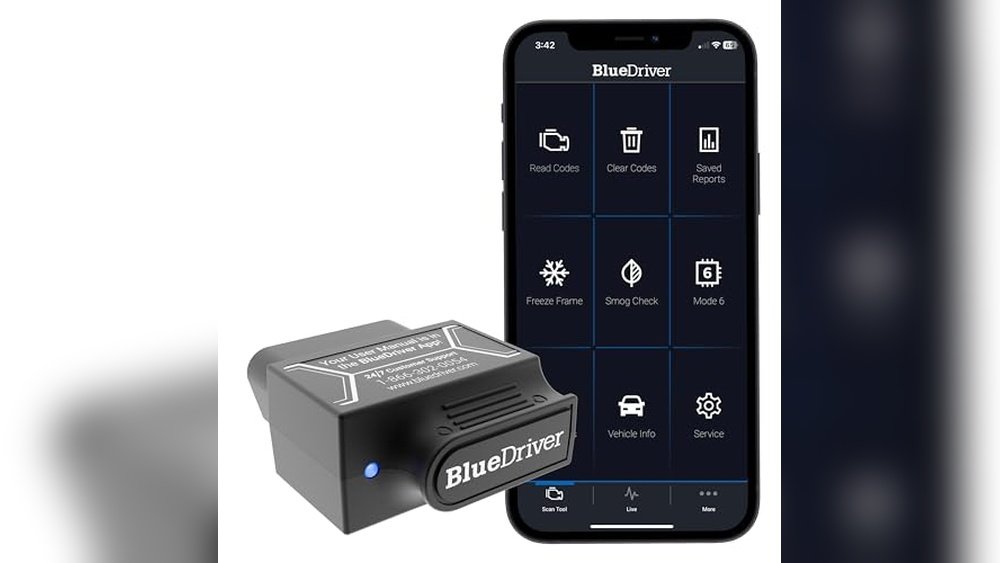
Diagnostic tools and smartphone apps can temporarily turn off the TPMS light on a Jeep. These devices connect to the vehicle’s onboard computer.
They allow users to read error codes and clear the TPMS warning. Many apps provide step-by-step instructions for easy use.
This method is fast and does not require professional help. It can reset the system until the next tire pressure issue appears.
Risks Of Disabling Tpms Alerts
Disabling TPMS alerts can be risky. The system warns about low tire pressure, which affects safety.
Ignoring the light may lead to driving on underinflated tires. This can cause poor handling, tire damage, and increased fuel use.
Temporary disablement should not replace proper tire maintenance. Always check tire pressure regularly to stay safe on the road.

Preventing False Tpms Warnings
False tire pressure monitoring system (TPMS) warnings can confuse Jeep drivers. These warnings may appear even when tire pressures are correct.
Preventing false TPMS alerts helps maintain peace of mind and ensures safety on the road.
Understanding what causes false warnings is key. Some common reasons include temperature changes and improper tire care.
Avoiding these issues keeps the TPMS light accurate and reliable.
Effects Of Temperature Changes
Cold weather lowers tire pressure naturally. This can trigger the TPMS light without a real problem.
Warm weather increases pressure, which might turn off the warning prematurely.
Rapid temperature swings cause the sensors to react often. This may lead to frequent false alerts.
Checking tire pressure regularly during seasonal changes helps reduce these warnings.
Regular Tire Maintenance Tips
Keep tires inflated to the manufacturer’s recommended pressure. Use a reliable gauge to check pressure monthly.
Inspect tires for damage or leaks regularly to avoid sudden deflation.
Rotate tires every 5,000 to 7,000 miles. Balanced and aligned tires improve sensor accuracy.
Clean sensor valves to prevent dirt buildup that can cause errors.
When To Visit A Professional
The tire pressure warning light on your Jeep signals a possible issue. Sometimes, resetting the light is simple.
Other times, it points to a bigger problem. Knowing when to see a professional keeps you safe. It also protects your vehicle from damage.
Ignoring the warning or trying to fix complex issues alone can cause more damage. A trained technician has the right tools and knowledge.
They can diagnose the root cause and fix it correctly. Below are key reasons to visit a professional.
Diagnosing Complex Tpms Problems
TPMS issues can be tricky. Sensors may fail, wires may break, or the system may need recalibration.
These problems are not easy to spot. A professional uses specialized diagnostic tools.
They can read error codes and test sensor function. This helps find hidden issues fast.
Complex problems include sensor battery failure or communication errors. These need expert attention.
DIY fixes might not clear the warning light. The light may return or cause other problems.
A professional repair saves time and money in the long run.
Choose an authorized Jeep service center for repairs. They have trained technicians who know Jeep models well.
They use genuine parts made for your vehicle. This ensures quality and reliability.
Service centers follow Jeep’s recommended procedures. They guarantee the TPMS works as it should.
This keeps your Jeep safe and roadworthy. Visiting an authorized center protects your warranty and vehicle value.

Frequently Asked Questions
How Do You Clear The Tire Pressure Light On A Jeep?
Check and inflate all tires to the recommended pressure. Turn the ignition to "On" without starting.
Press and hold the TPMS reset button until the light blinks three times. Drive the Jeep for several minutes to complete the reset and clear the tire pressure light.
How Do You Manually Turn Off The Tpms Light?
To manually turn off the TPMS light, press and hold the reset button under the steering wheel. Turn ignition to "On" without starting.
Hold until the light blinks three times, then release. This resets the system and turns off the warning light.
How Do I Turn Off Tpms On My Jeep Wrangler?
To turn off TPMS on your Jeep Wrangler, drive at 50 mph for 10 minutes after adjusting tire pressure. Some models require a reset button under the steering wheel. Consult your owner’s manual for exact steps.
Can I Reset My Tire Pressure Sensor Myself?
Yes, you can reset your tire pressure sensor yourself using the TPMS reset button or your vehicle’s infotainment system. Locate the reset button, usually under the steering wheel or glove box.
Turn on the ignition without starting the engine and hold the button until the light blinks.
Conclusion
Turning off the tire pressure warning light on your Jeep is simple. Check your tire pressure first to ensure it is correct.
Use the TPMS reset button if your model has one. Sometimes, driving for a few minutes clears the warning.
Remember, ignoring the light can cause tire damage. Regularly check your tires to keep them safe and efficient.
Following these steps helps maintain your Jeep’s performance. Stay alert and drive safely on every trip.