The Jeep Grand Cherokee is famous for its strong four-wheel-drive (4WD) systems. For many drivers, switching into 4WD Low can help in tough terrain, deep snow, or mud.
But when you’re back on normal roads, you need to know how to turn off 4WD Low.
If you leave your Grand Cherokee in 4WD Low, you can damage your car or reduce fuel economy. Many owners find this confusing, especially if they’re new to Jeep vehicles.
walk you through the exact steps, explain common mistakes, and help you keep your Jeep running smoothly.
What Is 4WD Low And When Is It Used?
4WD Low is a special gear setting in your Jeep’s transfer case. It gives your SUV more power but less speed. You use 4WD Low for:
- Slow, careful driving on off-road trails
- Climbing steep hills or driving through deep mud or sand
- Pulling heavy loads at low speeds
This mode is not for daily driving or highways. If you use 4WD Low on normal roads, you can wear out the drivetrain and tires quickly.
Why You Should Turn Off 4WD Low
Driving in 4WD Low on pavement is not just uncomfortable, it’s risky. Here’s why you should turn it off when you’re back on regular surfaces:
- Save fuel: 4WD Low burns more gas.
- Protect parts: It puts stress on your Jeep’s transfer case, axles, and driveshaft.
- Easy handling: Steering feels heavy in 4WD Low, especially on dry roads.
Leaving your Jeep in 4WD Low can also trigger warning lights or even cause transmission problems.
Understanding The Jeep Grand Cherokee 4WD System
Jeep Grand Cherokee models offer different 4WD systems. The most common are Quadra-Trac I, Quadra-Trac II, and Quadra-Drive II. Not every system has a 4WD Low option. Check your owner’s manual to confirm your model.
Below is a quick comparison of the main 4WD systems:
| 4WD System | 4WD Low | Main Feature |
|---|---|---|
| Quadra-Trac I | No | Full-time AWD, automatic |
| Quadra-Trac II | Yes | Selectable 4WD Low |
| Quadra-Drive II | Yes | Advanced, with electronic limited-slip |
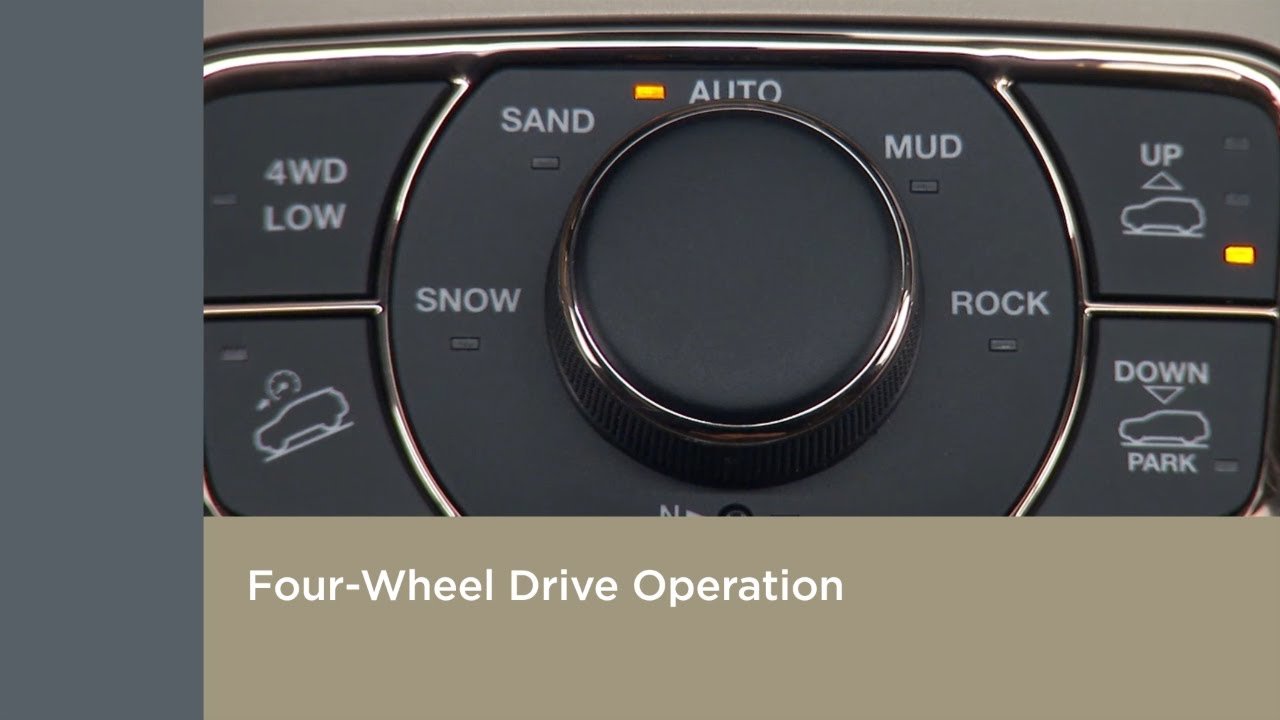
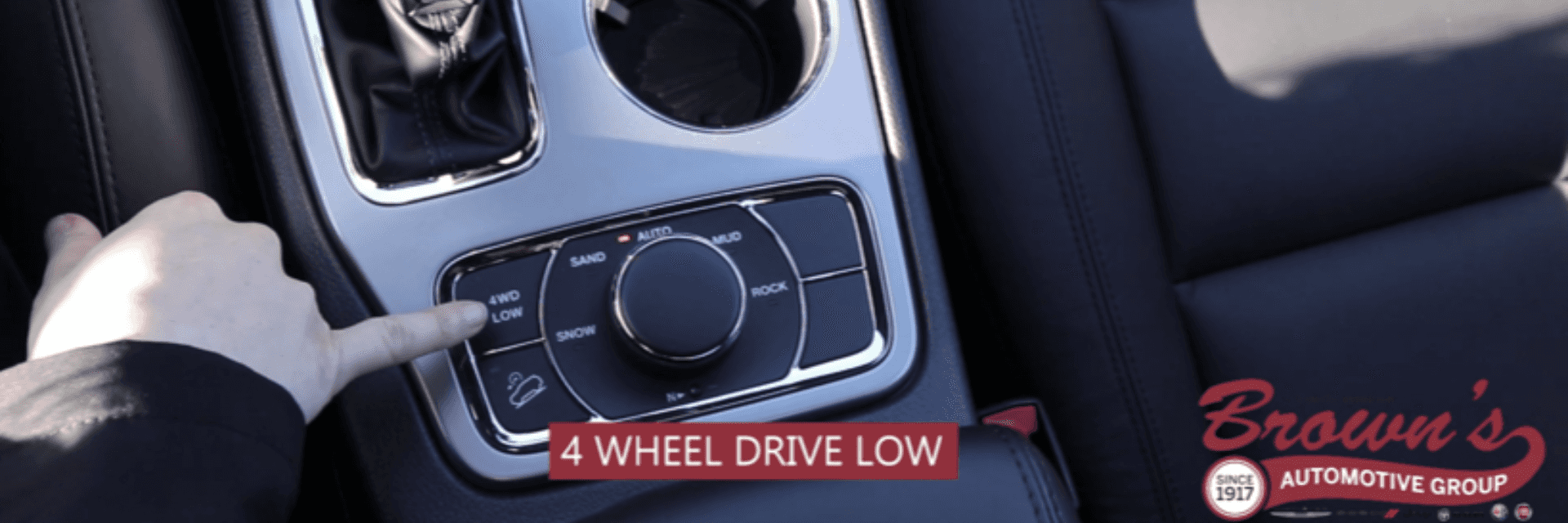
If your Jeep has a 4WD Low option, you’ll see a 4WD Low button or a shifter marked “4WD LOW” near the gear selector.
How To Turn Off 4WD Low On Jeep Grand Cherokee: Step-by-step
Turning off 4WD Low is simple, but you need to follow the correct process. If you don’t, the system may get stuck or show a warning light. Here’s how to do it safely:
1. Stop The Vehicle Completely
You must stop your Jeep and keep your foot on the brake. Shifting out of 4WD Low while moving can damage the drivetrain.
2. Shift The Transmission To Neutral (n)
With your foot still on the brake, move the transmission lever into Neutral (N). This step is critical, most transfer cases will not shift out of 4WD Low if the transmission is in Drive or Park.
3. Activate the 4WD Control
Depending on your Grand Cherokee model, do one of the following:
- If you have a rotary knob, turn it from “4WD LOW” to “4WD AUTO” or “2WD.”
- If you have a lever, move it from “4WD LOW” up to “4WD HIGH” or “2WD.”
You may need to press the 4WD Low button if your model has one.
4. Wait For The Indicator Light
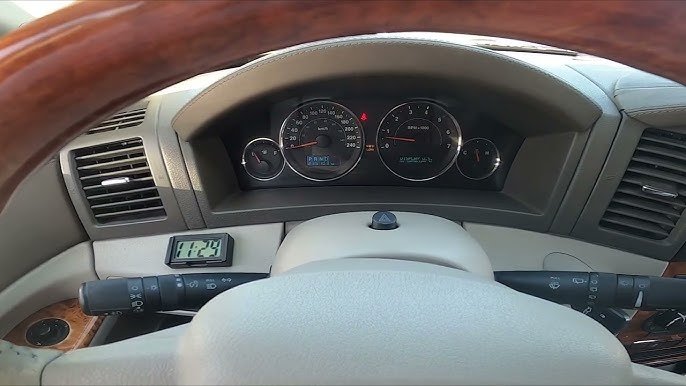
Look at the dashboard. The 4WD LOW indicator light should turn off. This tells you the Jeep is no longer in 4WD Low. Sometimes, you’ll hear a soft “clunk” as the transfer case shifts.
5. Shift Back To Drive
Move the transmission lever back to Drive (D) or Reverse (R) and continue driving.
Example: 2017 Jeep Grand Cherokee
- Stop the vehicle.
- Place the transmission in Neutral.
- Press the “4WD LOW” button (hold for 2 seconds).
- Wait for the “4WD LOW” light to go off.
- Shift back to Drive.
Common Problems When Turning Off 4WD Low
Sometimes, your Jeep Grand Cherokee may not shift out of 4WD Low right away. Here are the most common reasons:
- Transmission is not in Neutral: This is the #1 mistake.
- Vehicle not stopped: You must be at a complete stop.
- Transfer case is under load: If the wheels are turned or the Jeep is on a hill, there may be tension in the drivetrain.
If you notice grinding noises, flashing lights, or if 4WD Low stays on, try these tips:
- Rock the Jeep gently back and forth (from Drive to Reverse).
- Make sure the wheels are straight.
- Double-check that your foot is firmly on the brake.
Pros And Cons Of Using 4WD Low
Using 4WD Low has big advantages in tough conditions, but there are downsides if you use it the wrong way.
| Pros | Cons |
|---|---|
| Maximum traction in mud, snow, or rocks | Poor fuel economy on roads |
| Helps with towing heavy loads at low speeds | Stiff steering and hard turning |
| Reduces chance of getting stuck | Can damage parts if used incorrectly |
Tip: Only use 4WD Low when you really need it. For most winter roads or rain, 4WD High or Auto is better.
How Much Does It Cost To Fix 4WD Low Problems?
If your Grand Cherokee gets stuck in 4WD Low, sometimes you can fix it yourself. But if the system is damaged, repairs can be expensive.
- Simple reset or reprogramming: $0-$100 at a dealer
- Transfer case motor replacement: $350-$800
- Full transfer case repair: $1,000-$2,500
Most problems come from not shifting correctly. Always follow the right steps to avoid big bills.
Extra Tips For Beginners
Many new Jeep owners miss a few important details:
- Use flat ground: Always shift out of 4WD Low on level ground. If you’re on a slope, the drivetrain can bind.
- Don’t force the shifter: If it won’t move easily, don’t force it. Try rocking the vehicle gently or double-check the steps.
- Listen for clicks: A soft mechanical click is normal. Loud grinding is not, stop and check.
- Read your manual: Every year and model can be a bit different. If you’re unsure, check your owner’s manual or ask a Jeep dealer.
When To Seek Professional Help
If you follow the steps and your Jeep Grand Cherokee stays stuck in 4WD Low, or if you hear grinding noises, it’s time to see a mechanic. Other warning signs:
- Warning lights stay on after shifting
- Transfer case fluid leak under your Jeep
- Burning smell from the undercarriage
A qualified Jeep technician can run diagnostics and fix electrical or mechanical problems. Don’t drive long distances in 4WD Low if you can’t switch out; this can cause serious damage.
Quick Reference: 4WD Low Exit Steps
Here’s a simple checklist for next time:
- Stop the Jeep completely.
- Put transmission in Neutral.
- Shift 4WD control to “High” or “Auto.”
- Wait for the indicator light to turn off.
- Shift back to Drive or Reverse.
Keep this checklist in your glove box for easy reminders.
Real World Example: Winter Trip
Imagine you’re driving in deep snow and use 4WD Low to get out of a parking lot. When you reach a plowed road, you need to turn off 4WD Low.
If you forget, your Jeep will feel jerky and slow, and you might hear whining sounds.
Switching back to 4WD High or Auto as soon as you’re on clear pavement keeps your SUV safe and smooth.
Advanced Info: Electronic Vs. Manual Shifters
Older Grand Cherokees have a manual lever for 4WD. Newer models use electronic switches.
Both work the same way, but electronic systems can sometimes "stick" if the battery is weak or there's an electrical problem.
| Shifter Type | How to Shift | Common Issues |
|---|---|---|
| Manual lever | Move lever physically | Hard to move if drivetrain is tight |
| Electronic switch | Push or turn a knob | Can fail if the battery is low |
If your electronic system isn’t working, check your battery first. Weak batteries can cause many strange 4WD problems.
Learning More
For more details about the Jeep Grand Cherokee’s 4WD system and troubleshooting, visit the official Jeep Owner’s Manual page.
<!– wp:rank-math/faq-block {"questions":[{"id":"faq-question-179cc3eb34f5","title":"How Do I Know If My Jeep Is In 4WD Low?","content":"Check your dashboard. The 4WD LOW light will be on if your Jeep is in this mode. The vehicle will also move slowly, and the engine will rev higher than usual at low speeds.
“,”visible”:true},{“id”:”faq-question-28c4eeb6f2d7″,”title”:”Can I Shift Out of 4WD Low While Driving?”,”content”:”No. You must stop the vehicle and put the transmission in Neutral before shifting out of 4WD Low.
Trying to shift while moving can damage the system.
“,”visible”:true},{“id”:”faq-question-57430bcfaf45″,”title”:”What Happens If I Drive On The Highway In 4wd Low?”,”content”:”Driving fast in 4WD Low will make your Jeep noisy and can overheat the drivetrain. You may also damage the transfer case and other parts.
Always switch to 2WD or 4WD High on highways.
“,”visible”:true},{“id”:”faq-question-858c23ad93f7″,”title”:”Why Won’t My Jeep Shift Out Of 4wd Low?”,”content”:”Most often, the transmission is not in Neutral, or the Jeep is not completely stopped. Try the steps again, and make sure you follow each one carefully.
If it still won’t shift, there could be a mechanical or electrical problem.
“,”visible”:true},{“id”:”faq-question-3ecff627d3b2″,”title”:”Is 4WD Low The Same as 4WD High?”,”content”:”No. 4WD Low is for slow, tough conditions like rocks or deep mud. 4WD High is for faster driving on snow, sand, or gravel. Only use 4WD Low when you need maximum traction at low speeds.
nnnnTurning off 4WD Low on your Jeep Grand Cherokee is easy once you know the right steps. This small action can save you money, protect your SUV, and make driving smoother.
nnnnAlways check your owner’s manual if you’re not sure, and don’t hesitate to ask a professional if something seems wrong.
nnnnWith the right knowledge, your Jeep is ready for any adventure, on or off the road.
“,”visible”:true}]} –>How Do I Know If My Jeep Is In 4WD Low?
Check your dashboard. The 4WD LOW light will be on if your Jeep is in this mode. The vehicle will also move slowly, and the engine will rev higher than usual at low speeds.
Can I Shift Out of 4WD Low While Driving?
No. You must stop the vehicle and put the transmission in Neutral before shifting out of 4WD Low.
Trying to shift while moving can damage the system.
What Happens If I Drive On The Highway In 4wd Low?
Driving fast in 4WD Low will make your Jeep noisy and can overheat the drivetrain. You may also damage the transfer case and other parts.
Always switch to 2WD or 4WD High on highways.
Why Won't My Jeep Shift Out Of 4wd Low?
Most often, the transmission is not in Neutral, or the Jeep is not completely stopped. Try the steps again, and make sure you follow each one carefully.
If it still won’t shift, there could be a mechanical or electrical problem.
Is 4WD Low The Same as 4WD High?
No. 4WD Low is for slow, tough conditions like rocks or deep mud. 4WD High is for faster driving on snow, sand, or gravel. Only use 4WD Low when you need maximum traction at low speeds.
Turning off 4WD Low on your Jeep Grand Cherokee is easy once you know the right steps. This small action can save you money, protect your SUV, and make driving smoother.
Always check your owner’s manual if you’re not sure, and don’t hesitate to ask a professional if something seems wrong.
With the right knowledge, your Jeep is ready for any adventure, on or off the road.