If you own a Jeep Wrangler, you probably enjoy the freedom of off-road adventures. One of the key features in these vehicles is the 4WD system (four-wheel drive), which gives better control on rough terrain. But driving on paved roads with 4WD engaged can damage your Jeep and even cost you money in repairs. Many drivers are unsure how to turn off 4WD properly, especially if they are new to Jeeps. This guide will explain the steps, common mistakes, and some important tips to help you switch between modes safely and confidently.
Understanding Jeep Wrangler 4wd Systems
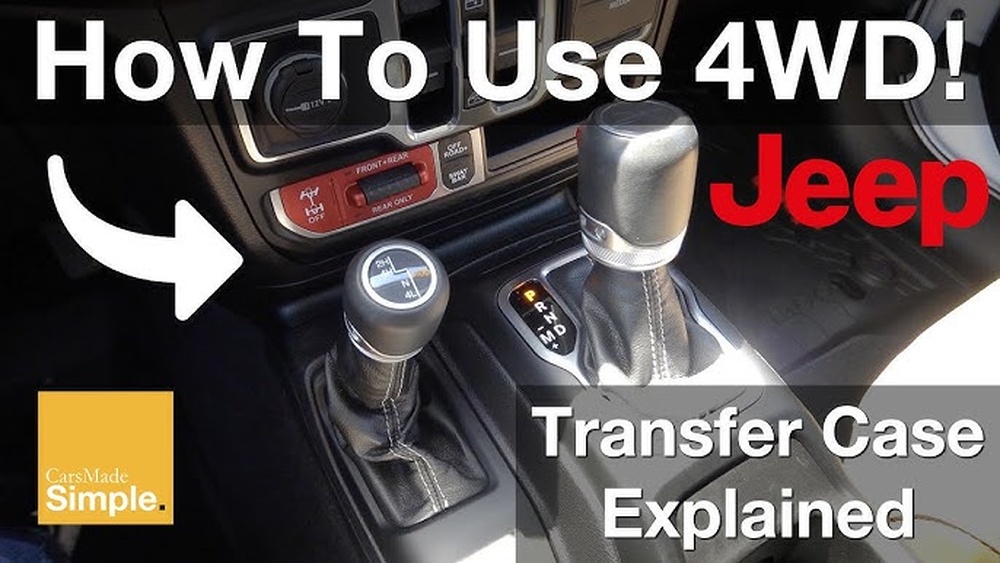
Jeep Wranglers use different 4WD systems depending on the model and year. The most common are Command-Trac and Rock-Trac. Both offer several drive modes:
- 2H (Two-Wheel Drive High): For normal road driving.
- 4H (Four-Wheel Drive High): For slippery or loose surfaces.
- 4L (Four-Wheel Drive Low): For off-road or tough, slow situations.
It’s important to know which system your Jeep uses. Some newer Wranglers have automatic 4WD, while older models use manual levers. Check your owner’s manual or the Jeep website for details about your specific model.
Common 4wd Modes And Their Use
| Mode | Best For | Speed Limit |
|---|---|---|
| 2H | Dry, paved roads | No special limit |
| 4H | Snow, sand, gravel | Under 55 mph |
| 4L | Steep hills, mud, rocks | Under 25 mph |
Using the right mode will keep your Jeep in good shape and make your drive smoother.
How To Turn Off 4wd In A Jeep Wrangler
Switching from 4WD back to 2WD is not difficult, but you must do it correctly to avoid damage. The process depends on your Jeep’s system.
For Manual Lever Systems
- Slow Down: Bring your Jeep to a speed below 45 mph.
- Shift to 2H: With the transmission in neutral or drive, pull the transfer case lever from 4H to 2H. You can usually do this while the vehicle is moving slowly.
- Check Indicator: The 4WD light on your dashboard should turn off. If it stays on, try shifting again.
- For 4L to 2H: Come to a complete stop. Shift the transmission to neutral. Move the lever from 4L to 2H in one smooth motion. Then shift the transmission back to drive or reverse.
For Electronic Or Auto Systems
- Reduce Speed: Slow down to under 45 mph.
- Press the 2WD Button: On newer models, simply press the button or turn the dial to select 2H.
- Wait for Confirmation: The display should show that you are now in 2WD.
Example Scenario
If you’ve been driving on a muddy trail in 4H and return to paved road, slow down, shift to 2H using the lever or button, and drive normally. This will prevent drivetrain stress and save fuel.

Tips For Smooth 4wd Disengagement
- Don’t force the lever. If it feels stuck, roll the Jeep forward or backward a few feet.
- Never switch between 4H and 4L while moving. Always stop completely.
- Allow wheels to straighten. Turning wheels can make shifting harder.
- Wait for dashboard confirmation. Never assume the mode changed until you see the indicator go off.
Some drivers notice a small “clunk” noise during the shift. This is usually normal, but grinding sounds are not—if you hear these, stop and try again.
Common Mistakes To Avoid
Many Jeep owners make errors that can damage the transfer case or drivetrain. Here are a few to watch for:
| Mistake | Why It’s a Problem |
|---|---|
| Switching at high speed | Can cause gears to grind or jam |
| Staying in 4WD on dry pavement | Leads to “driveline binding,” faster tire wear |
| Forcing the lever | May break parts inside the transfer case |
A non-obvious mistake is forgetting to check if the 4WD indicator light goes off. This light is your best friend—it tells you if the system is really disengaged.

When To Use Each Mode
Knowing when to use or switch off 4WD is just as important as knowing how. Use 2H for all regular driving. Only use 4H or 4L in poor conditions. If you leave 4WD on after the road dries, you risk expensive repairs.
Another overlooked point: Tire mismatches (different sizes or pressures) can make shifting out of 4WD difficult. Always check your tires if you have trouble.
What If 4wd Won’t Turn Off?
Sometimes, the Jeep seems stuck in 4WD. Here’s what you can do:
- Drive slowly in reverse for a few yards, then try again.
- Check wheel alignment—straight wheels help disengage.
- Inspect for warning lights that may suggest a mechanical problem.
- Visit a mechanic if problems continue; there may be a transfer case issue.
For more details about 4WD systems, you can visit the official Jeep 4×4 page.

Frequently Asked Questions
Why Can’t I Switch Out Of 4wd While Driving Fast?
Most Jeep Wranglers are designed to shift between 4H and 2H at lower speeds. High speeds can cause gear grinding, which can damage the transfer case.
Can I Shift From 4l To 2h Without Stopping?
No. Always stop your Jeep completely and shift the transmission to neutral before moving from 4L to 2H. This prevents damage to internal parts.
What Happens If I Leave My Jeep In 4wd On Dry Pavement?
Leaving your Jeep in 4WD on dry, hard roads causes driveline binding. This can wear out tires and put stress on the drivetrain, leading to expensive repairs.
The 4wd Light Stays On After I Shift To 2h. What Should I Do?
Try rolling your Jeep slowly forward or backward. If the light stays on, repeat the shift. If the problem continues, get your Jeep checked by a mechanic.
Is There A Difference In Turning Off 4wd For Automatic Vs. Manual Jeeps?
The main difference is in the controls: automatics may use a button or dial, while manuals use a lever. The basic steps and safety rules are the same for both.
Switching your Jeep Wrangler out of 4WD is simple once you understand your system. Proper handling keeps your Jeep running well for years. Always check your dashboard, follow the steps, and don’t rush the process. If you’re unsure, refer to your manual or talk to a Jeep specialist. With these tips, you can enjoy all roads—on and off—with confidence.