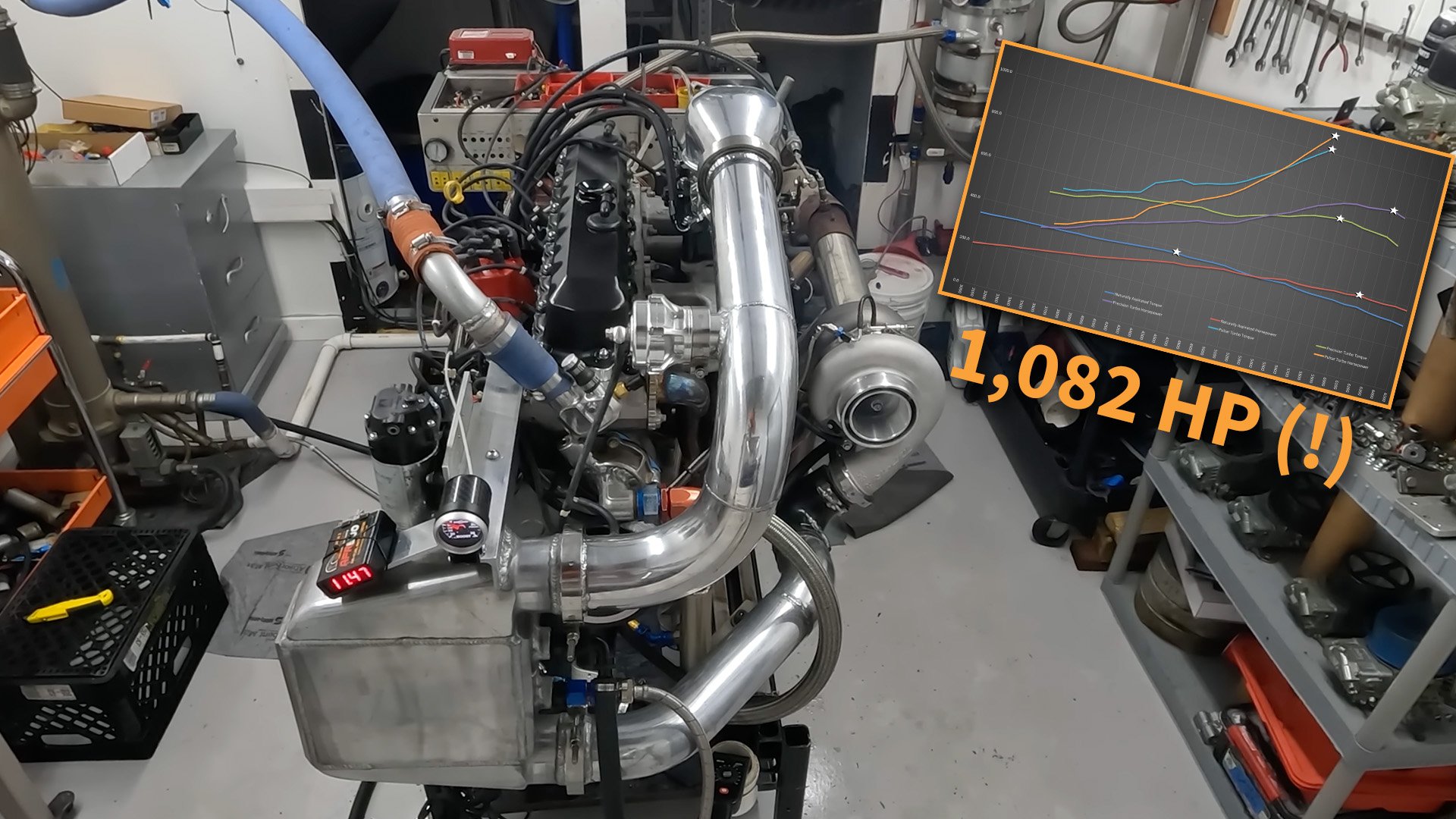
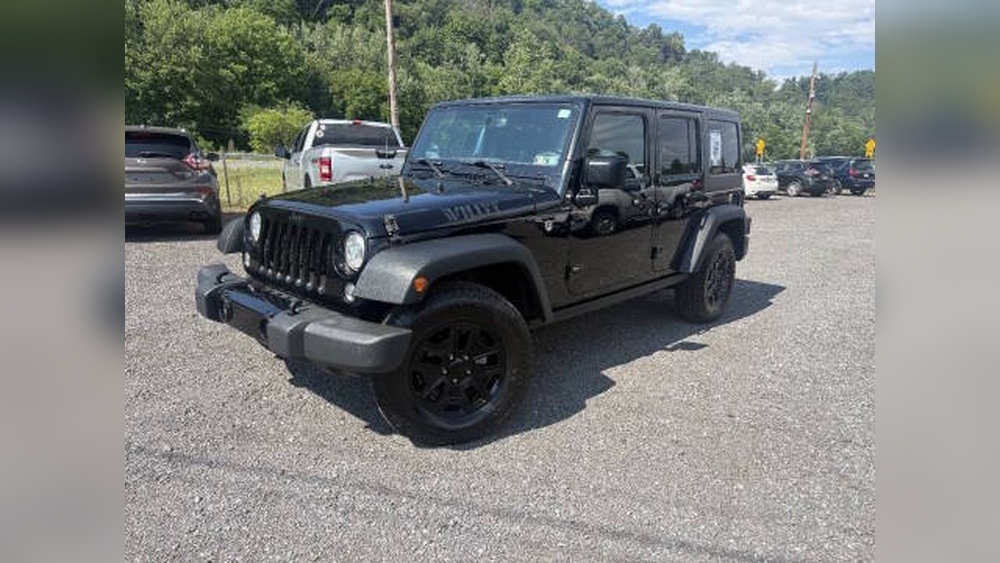
Turbocharging a Jeep 4. 0 engine is one of the most exciting upgrades for off-road and performance fans.
The Jeep 4. 0, also known as the AMC straight-six, is famous for its strength and reliability.
Adding a turbo can give your Jeep a big power boost, but it’s important to plan carefully. Many beginners worry about damaging their engine or wasting money on the wrong parts.
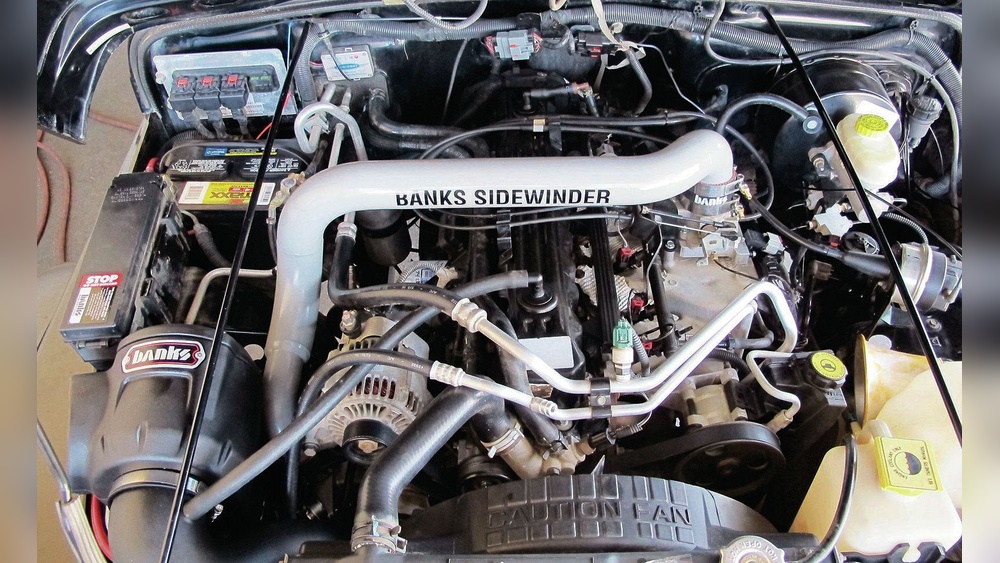
This guide walks you through the process, explains key choices, and shares tips that even experienced mechanics sometimes miss.
Understanding Turbocharging For Jeep 4.0
The main goal of a turbo is to force more air into the engine. More air means more fuel can be burned, which leads to higher horsepower and better torque. The Jeep 4.0 engine is naturally aspirated, so it doesn’t come with a turbo from the factory. You’ll need to add several parts and make sure your engine can handle the extra pressure.
Some people think a turbo will double their power instantly. In reality, a safe boost for stock internals is about 6 8 psi, which can increase horsepower by 40 60%.
Going higher may require engine upgrades. Always check your engine’s health before starting.
| Stock Jeep 4.0 | Turbocharged Jeep 4.0 |
|---|---|
| ~190 hp | ~260 hp (at 7 psi) |
| ~235 lb-ft torque | ~320 lb-ft torque |
Essential Parts For Turbocharging
Turbocharging is more than just bolting on a turbo. Here’s what you’ll need:
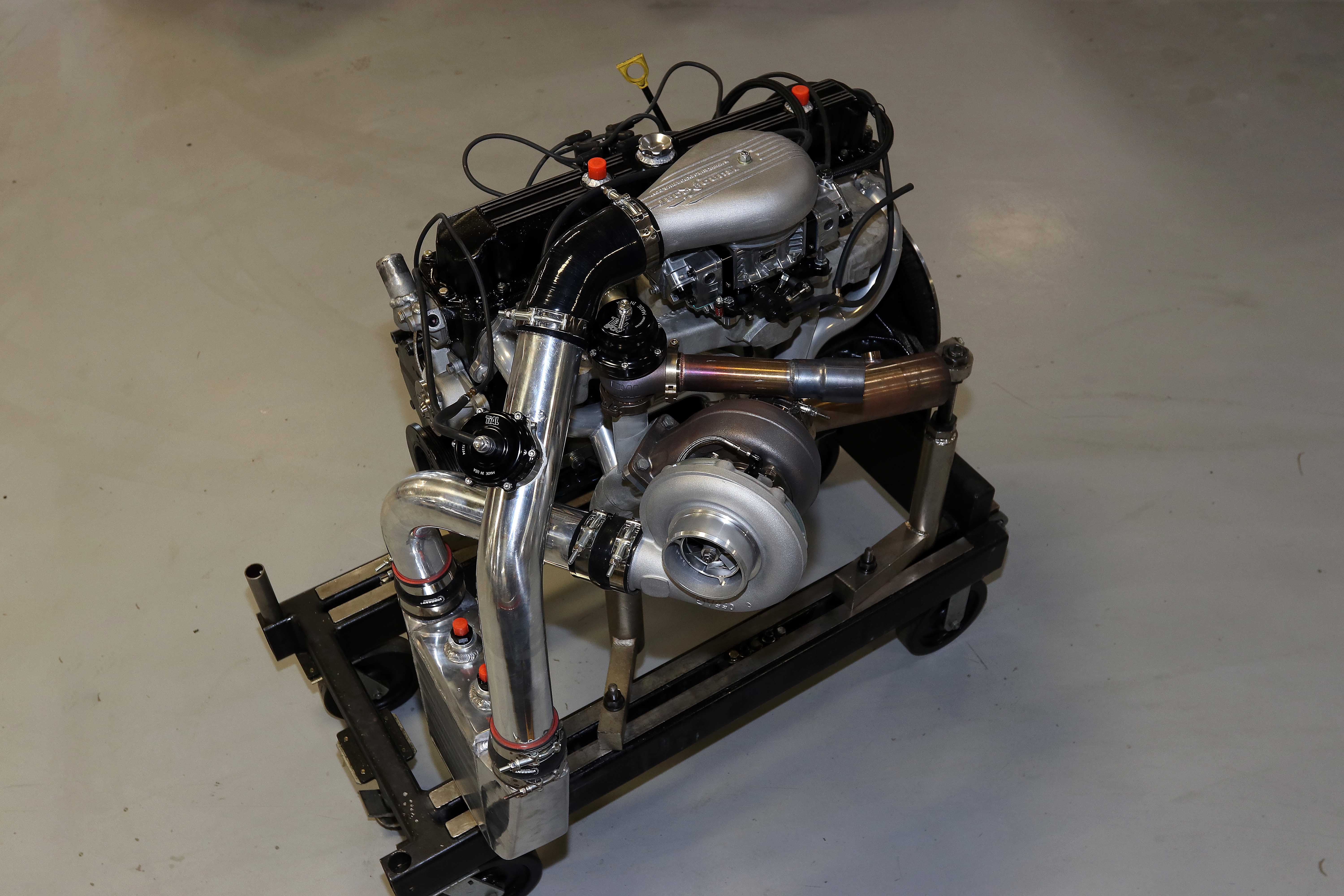
- Turbocharger: Choose a size matched for 4.0L engines. Popular options are the Garrett T3/T4 or Holset HX35.
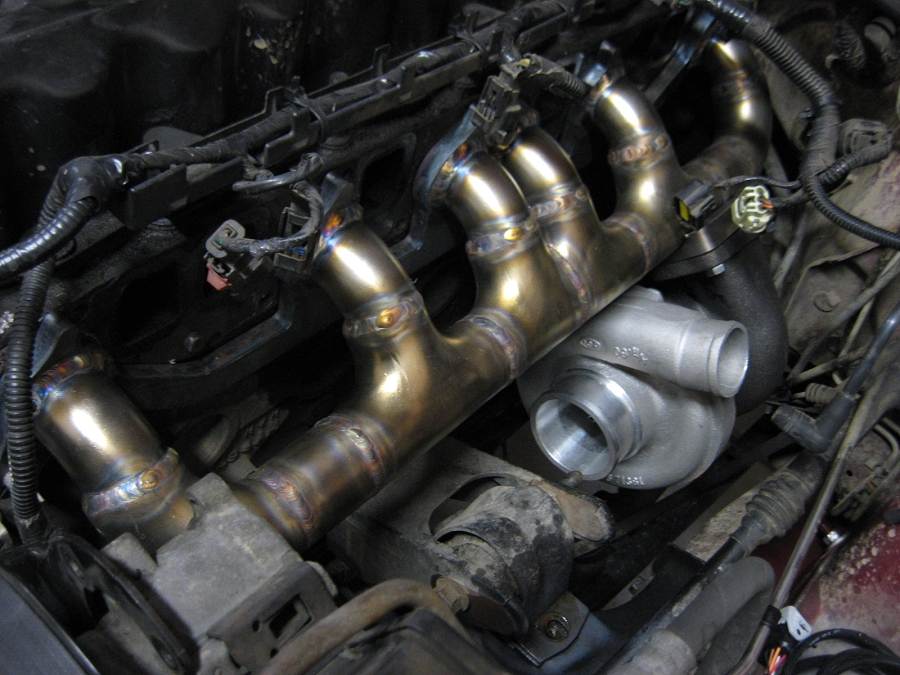
- Manifold: A turbo manifold replaces your stock exhaust manifold. It must fit your Jeep 4.0.
- Intercooler: Cools the air from the turbo, making power safer and more consistent.
- Oil lines: Turbos need oil for lubrication and cooling. Use high-quality lines and fittings.
- Downpipe & exhaust: Allows exhaust gases to exit the turbo and flow out.
- Fuel system upgrades: Larger injectors (24–30 lb/hr), high-flow fuel pump, and adjustable regulator.
- Engine management: To control fuel and ignition. Consider a standalone ECU or piggyback system.
- Wastegate & blow-off valve: Control boost pressure and protect the turbo.
- Gaskets, hoses, clamps, and wiring: Don’t forget the small parts—these are often underestimated.
| Part | Estimated Cost |
|---|---|
| Turbocharger | $400–$900 |
| Manifold | $250–$500 |
| Intercooler | $150–$350 |
| Fuel System | $300–$600 |
| ECU/Management | $400–$1000 |
Step-by-step Turbo Installation Process
Preparation And Safety
Check your engine compression. Weak cylinders or oil leaks mean you should fix the engine first.
Gather all tools, parts, and safety gear. Disconnect the battery and drain fluids.
Mounting The Turbo
- Remove the stock exhaust manifold.
- Install the turbo manifold. Make sure gaskets are tight.
- Mount the turbo on the new manifold.
- Connect oil feed and drain lines. Double-check for leaks.
Intercooler And Piping
- Mount the intercooler in front of the radiator.
- Connect pipes from the turbo to the intercooler, then to the throttle body.
- Secure all hoses with clamps.
Upgrading The Fuel System
- Install larger injectors.
- Upgrade the fuel pump.
- Set up the adjustable regulator.
- Wire in the engine management system.
Exhaust And Finishing Touches
- Install the downpipe and connect to your exhaust.
- Fit the wastegate and blow-off valve.
- Reconnect sensors and battery.
- Check all connections, bolts, and clamps.
Tuning And Testing
Start the engine and check for leaks, noises, and error codes. Drive carefully and monitor air/fuel ratio.
Have a professional tune the ECU for best performance and safety.
| Step | Approximate Time |
|---|---|
| Turbo & manifold install | 3–4 hours |
| Intercooler & piping | 2–3 hours |
| Fuel system upgrades | 2–3 hours |
| Tuning & testing | 1–2 hours |
Common Mistakes And How To Avoid Them
Many beginners rush the installation. Here are mistakes to watch for:
- Skipping tuning: Running a turbo without proper tuning can destroy your engine.
- Using cheap parts: Low-quality oil lines or clamps can fail quickly.
- Ignoring heat management: Turbo systems create lots of heat. Use heat shields and wrap exhaust pipes.
- Boosting too high: More boost isn’t always better. Keep it safe if you’re using stock pistons and rods.
Non-obvious insight: If you plan to off-road, route oil lines carefully to avoid rocks and debris. Also, budget for regular maintenance—turbo engines need frequent checks.
Is Turbocharging Right For You?
Adding a turbo to your Jeep 4. 0 gives more power for towing, off-roading, and highway driving.
But it also raises stress on your engine. If your Jeep is used daily, a mild setup is smart.
For racing or heavy off-roading, consider internal upgrades (forged pistons, stronger rods).
If you’re unsure, talk to a specialist or visit trusted forums. There’s a helpful guide at JeepForum with real-world examples.
Frequently Asked Questions
How Much Power Can A Stock Jeep 4.0 Handle With A Turbo?
Most stock Jeep 4. 0 engines can handle 6 8 psi safely, giving about 40 60% more power. Higher boost may require stronger internals.
What Size Turbo Is Best For A Jeep 4.0?
A medium-sized turbo like the Garrett T3/T4 or Holset HX35 is ideal. These offer fast spool and enough airflow for this engine.
Do I Need To Upgrade The Transmission?
If you plan to run more than 7 psi or use your Jeep for racing, upgrading the transmission is wise. Stock transmissions can handle mild turbo setups, but higher power will stress them.
Can I Install A Turbo Myself?
Yes, with good mechanical skills and tools. But professional tuning is highly recommended to avoid engine damage.
How Much Does It Cost To Turbo A Jeep 4.0?
A basic setup can cost $2,000–$4,000, including parts and tuning. Prices vary based on quality and labor.
Turbocharging your Jeep 4. 0 is a rewarding project.
You’ll gain more power, better torque, and new driving fun. With careful planning and the right parts, your Jeep can stay reliable and strong.
Always research, double-check your work, and enjoy the boost!