Restoring the fenders on your Jeep Wrangler is a rewarding project. Whether your fenders are faded, scratched, or damaged, bringing them back to life improves your Jeep’s appearance and protects its value.
Many Wrangler owners overlook the fenders, but they play a big role in off-road protection and style. With the right approach, you can restore them yourself and avoid expensive body shop bills.
This guide will walk you through everything you need to know, including smart tips that even some experienced owners miss.
Understanding Jeep Wrangler Fenders
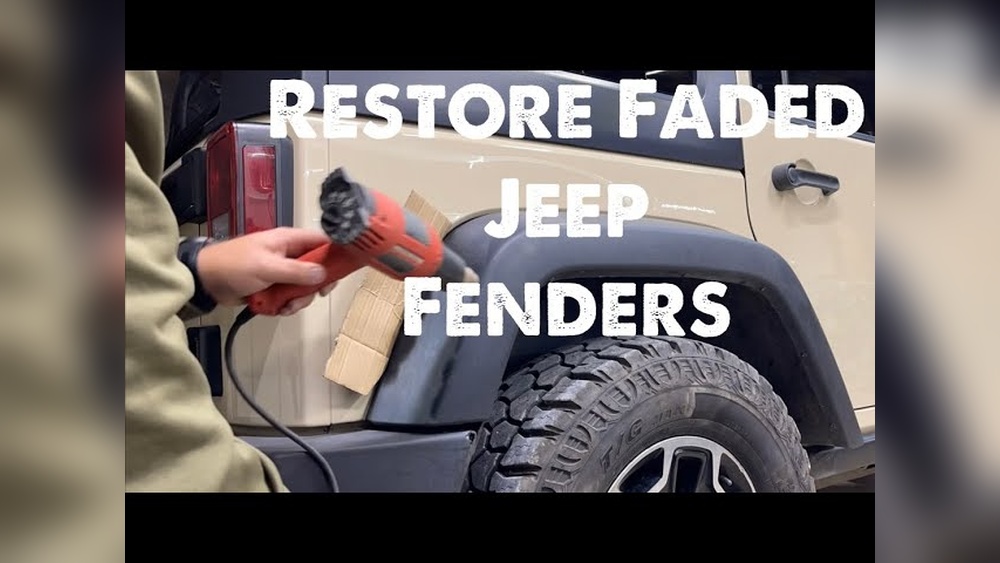
Jeep Wrangler fenders are made from plastic or metal, depending on the year and model. Plastic fenders are common on newer Wranglers, while older models often have metal ones. Fenders shield your wheels and suspension from rocks, mud, and debris. Over time, they suffer from UV fading, scratches, and dents. Plastic fenders usually turn gray, while metal fenders can rust. Knowing your fender type helps you choose the right restoration method.
| Fender Material | Common Issues | Best Restoration Method |
|---|---|---|
| Plastic | Fading, scratches | Cleaning, restoring, coating |
| Metal | Rust, dents, paint chips | Sanding, priming, repainting |
Preparing For Restoration
Before you start, gather the following tools and supplies:
- Soap and water
- Plastic or metal polish
- Sandpaper (various grits)
- Masking tape
- Microfiber cloths
- Plastic restorer or spray paint
- Rust remover (for metal)
- Primer and paint (for metal fenders)
Choose products made for automotive use. Using household cleaners or random sprays can damage the fenders or leave a sticky residue.
Step-by-step Restoration Process
1. Thorough Cleaning
Start by washing your fenders with soap and water. Remove dirt, mud, and grease. Use a soft brush for stubborn spots. Dry completely with a microfiber towel. Many beginners skip this step, but restoring dirty fenders traps grime under the finish.
2. Surface Inspection
Check for deep scratches, cracks, or rust. Light scratches can be polished out, but deep damage may need filler or replacement. Look underneath the fender for hidden rust or holes. If you find cracks in plastic, use a plastic repair kit.
3. Sanding And Smoothing
For metal fenders, sand the surface with 120–400 grit sandpaper. Remove rust, old paint, and rough spots. For plastic fenders, lightly sand with fine grit (400–600) to remove oxidation. Always sand in one direction to avoid swirl marks.
| Fender Type | Recommended Sandpaper Grit | Purpose |
|---|---|---|
| Metal | 120–400 | Rust and paint removal |
| Plastic | 400–600 | Oxidation removal |
4. Masking
Cover surrounding areas with masking tape and newspaper. Protect headlights, body panels, and tires from overspray or polish. Take your time here; rushing can lead to messy results.
5. Applying Restorer Or Paint
- For plastic fenders, use a quality plastic restorer. Apply with a foam pad, rub in circles, and let it sit for 10–20 minutes. Buff off excess with a clean cloth. Some products last up to 12 months.
- For metal fenders, apply primer, let it dry, then spray with automotive paint. Use thin coats and allow each layer to dry. Finish with clear coat for shine and protection.
Most beginners apply too much product at once. Thin, even coats create better results and avoid drips.
6. Final Buff And Protection
After restoration, buff the fender gently to remove streaks. For extra protection, add a UV sealant to prevent fading.
This step is often missed, but it keeps your fenders looking new longer.
Comparing Diy Vs. Professional Restoration
Some Jeep owners consider professional restoration. Here’s a quick comparison:
| Method | Cost (Average) | Time Required | Result Quality |
|---|---|---|---|
| DIY | $40–$120 | 2–4 hours | Good–Excellent |
| Professional | $250–$600 | 1–2 days | Excellent |
DIY saves money and lets you learn new skills, but requires patience. Professionals deliver perfect results, but at a higher price.
Common Mistakes To Avoid
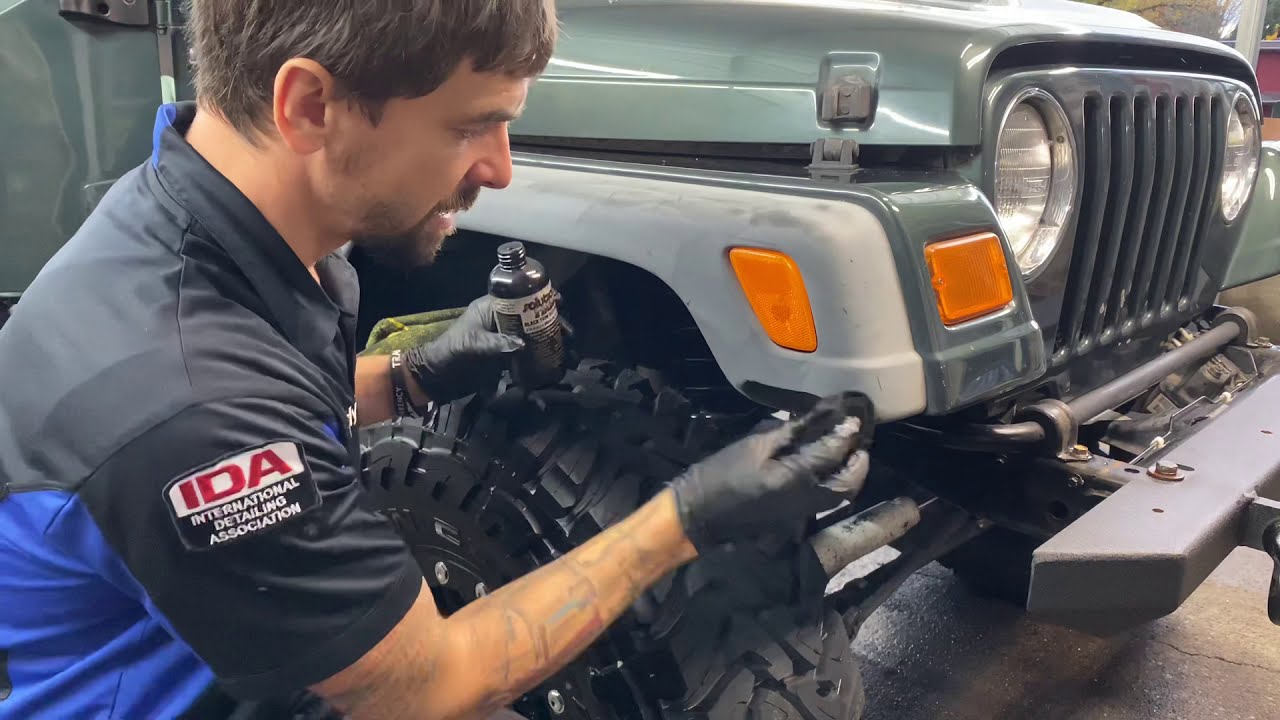
- Skipping cleaning: Always start with a clean surface.
- Using harsh chemicals: Only use products made for car fenders.
- Over-sanding: Too much sanding can damage the material.
- Applying thick coats: Use thin layers for better finish.
- Ignoring UV protection: Without a sealant, restored fenders fade faster.
Many beginners also forget to check the fender mounting points. Loose bolts can cause rattling and faster wear.
Maintenance Tips After Restoration
- Wash your fenders monthly with gentle soap.
- Reapply plastic restorer or UV sealant every 6–12 months.
- Inspect for new scratches or rust after off-roading.
- Tighten mounting bolts and check for loose brackets.
Regular care extends the life of your restoration and keeps your Wrangler looking sharp.
Frequently Asked Questions
How Long Does A Fender Restoration Last?
A quality restoration lasts 6–12 months for plastic fenders and up to 2 years for properly painted metal fenders, depending on exposure to sun and mud.
Is It Better To Buy New Fenders Or Restore Old Ones?
Restoring is cheaper and keeps your Jeep original, but if fenders are badly cracked or rusted through, replacement is often best.
Can I Restore Fenders Without Removing Them?
Yes, most products can be applied with fenders attached, but removing them makes sanding and painting easier for perfect results.
What’s The Best Product For Plastic Fenders?
Look for UV-resistant plastic restorers from automotive brands. Some popular options are Meguiar’s and Mothers. Avoid generic sprays that promise instant shine.
Do I Need Special Tools For Metal Fender Restoration?
Basic tools like sandpaper, primer, and spray paint are enough. For heavy rust or dents, you may need a grinder or body filler.
Restoring your Jeep Wrangler fenders is a practical project for any owner. It’s easier than many think and can make your Jeep look almost brand new. With the right approach, careful preparation, and ongoing maintenance, your fenders will stay in great shape for years. For more tips on car care, check out WikiHow.