Owning a Jeep Wrangler is all about adventure. But when your steering feels loose or sloppy, it can make driving stressful and even unsafe. If you notice your Wrangler pulling, wandering, or needing constant correction, it’s time to tighten up the steering. Many drivers don’t realize that loose steering can have several causes, and fixing it often means checking multiple parts. This guide will help you understand why your Jeep’s steering gets loose, how to diagnose the problem, and the best ways to tighten things up for safer, smoother rides.
Common Causes Of Loose Steering In Jeep Wranglers
Understanding why your steering feels loose is the first step. Here are the most frequent reasons:
- Worn tie rods: These connect the steering to the wheels. When they wear out, the wheels don’t respond quickly.
- Bad ball joints: These joints allow suspension movement. If they’re loose, steering becomes less precise.
- Steering box wear: The steering box transfers wheel movement. Over time, it can develop play.
- Track bar issues: The track bar keeps the axle centered. A loose or worn bar makes steering unpredictable.
- Suspension bushings: Bushings cushion the system. Worn bushings cause extra movement.
- Alignment problems: If your wheels aren’t aligned, the Jeep may wander or pull.
It’s not always one issue. Sometimes, several small problems add up to a big steering headache.
How To Diagnose Loose Steering
Before you start fixing, you need to find out which parts are causing the trouble. Here’s a clear process:
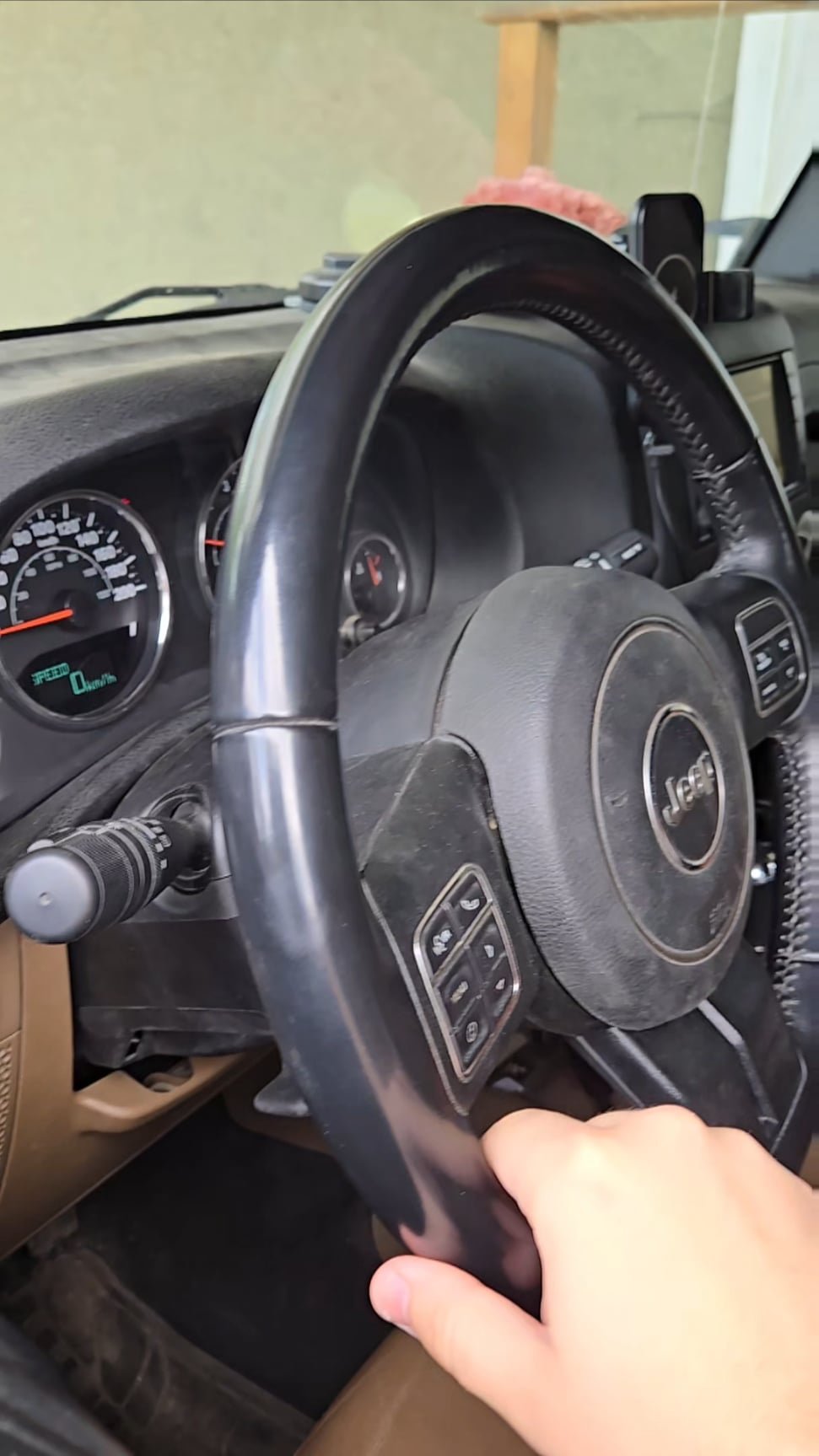
- Check tie rods and ball joints: With the Jeep parked, grab the wheel and wiggle it left and right. If you feel movement, these parts could be worn.
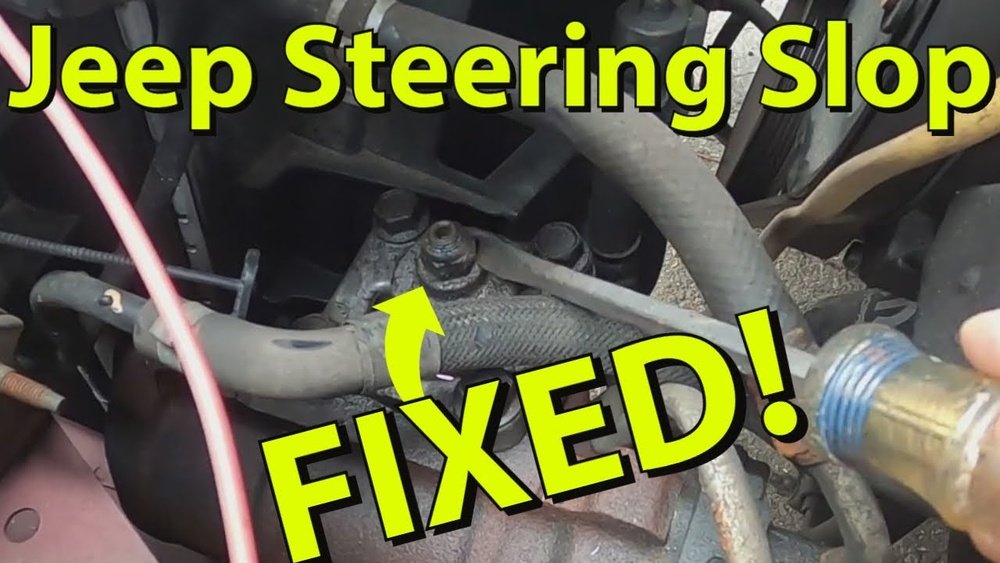
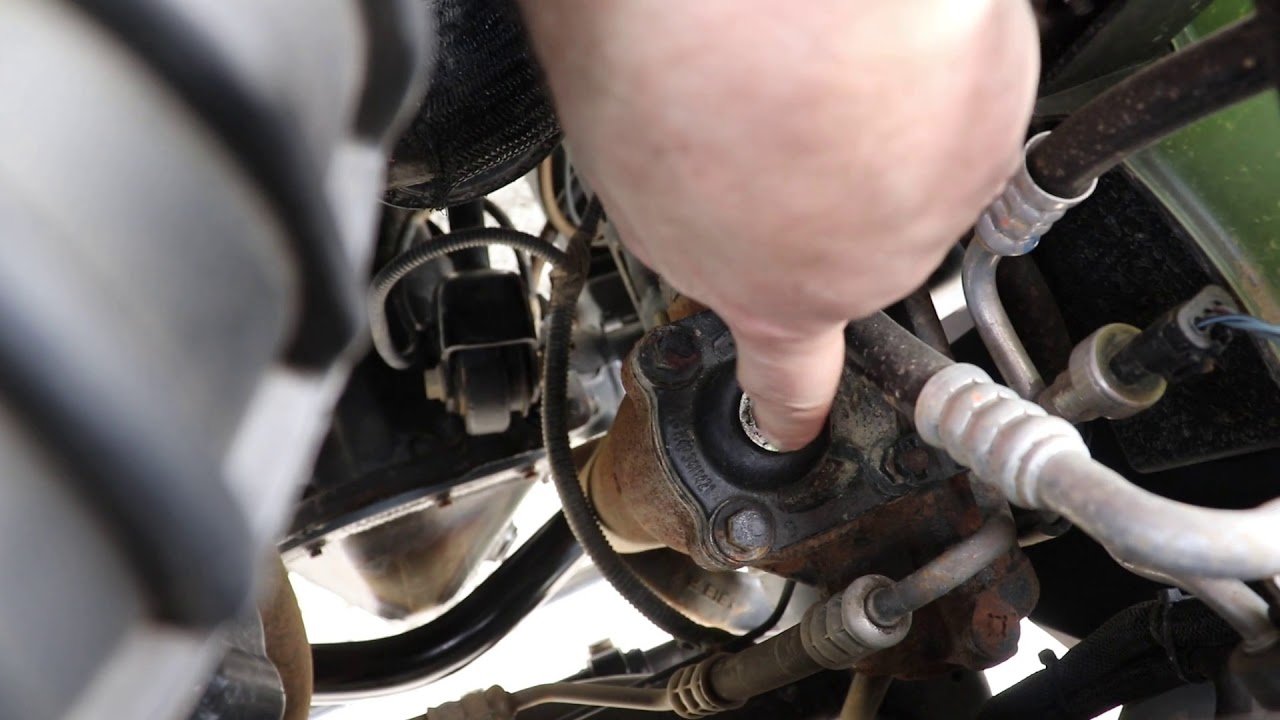
- Inspect the steering box: Have someone turn the steering wheel back and forth while you watch the steering box. If you see the pitman arm lag behind the steering wheel movement, the box has play.
- Look at the track bar: Watch for movement where the track bar connects to the frame and axle. Any shifting means it’s loose.
- Examine bushings: Check for cracks, tears, or missing pieces on suspension bushings.
- Test alignment: Take your Jeep for a drive. If it pulls to one side or the steering wheel isn’t centered, alignment is off.
You don’t need special tools for most checks. Just a flashlight, gloves, and a helper can make diagnosing easier.
Steps To Tighten Jeep Wrangler Steering
Once you know what’s wrong, you can start fixing. Here are the main steps:
1. Replace Worn Tie Rods
- Remove the old tie rods with a wrench.
- Install new tie rods and tighten to manufacturer specs.
- After replacing, get a professional alignment.
2. Change Bad Ball Joints
- Jack up the Jeep and remove the wheel.
- Use a ball joint press to remove the old joint.
- Install a new ball joint and secure tightly.
3. Adjust Or Replace Steering Box
- Tighten the steering box adjustment screw (usually on top).
- If tightening doesn’t work, replace the steering box.
- After replacement, check for correct steering response.
4. Secure Or Replace Track Bar
- Tighten track bar bolts with a torque wrench.
- Replace the track bar if it’s bent or worn.
- Use upgraded track bars for lifted Jeeps.
5. Install New Suspension Bushings
- Remove old bushings with a press or screwdriver.
- Insert new bushings and lubricate.
- Double-check all connections are tight.
6. Correct Alignment
- Take your Jeep to an alignment shop.
- Have them check toe, camber, and caster.
- Proper alignment improves steering immediately.
Comparing Steering Components
It helps to know which parts are most often the problem. Here’s a comparison:
| Component | Common Issue | Replacement Cost | Difficulty Level |
|---|---|---|---|
| Tie Rods | Wear/looseness | $100-$200 | Medium |
| Ball Joints | Excessive play | $200-$400 | Hard |
| Steering Box | Internal wear | $350-$700 | Hard |
| Track Bar | Loose/bent | $150-$300 | Medium |
| Bushings | Cracked/missing | $50-$100 | Easy |
| Alignment | Poor wheel angle | $80-$120 | Professional |
Practical Tips For Tightening Jeep Steering
Many beginners overlook some important details. Here are two insights:
- Upgrading to heavy-duty track bars and tie rods helps if you use bigger tires or off-road often.
- Lubricating new bushings extends their life and keeps steering smoother.
Another tip: Always double-check bolts after driving 50-100 miles. Sometimes, new parts settle and need retightening.
Signs That Steering Is Tight Again
After repairs, your Jeep should:
- Respond quickly to steering input
- Hold a straight line at highway speed
- Require less correction on rough roads
You should also notice less vibration and noise from the front suspension.
Data On Steering Safety
Loose steering isn’t just annoying—it’s dangerous. According to the National Highway Traffic Safety Administration (NHTSA), steering system failures cause thousands of accidents each year. A Jeep with tight steering is safer for you and everyone else on the road.
Here’s a comparison of accident risk:
| Steering Condition | Highway Accident Risk | Driver Fatigue |
|---|---|---|
| Loose Steering | High | High |
| Tight Steering | Low | Low |
Frequently Asked Questions
How Often Should I Check Jeep Wrangler Steering Parts?
Check steering parts every 12,000 miles, or sooner if you drive off-road often. Regular checks prevent bigger problems.
Can I Tighten Steering Myself Or Do I Need A Mechanic?
Some tasks, like tightening bolts or changing bushings, are easy for DIY. But ball joints and steering boxes often need special tools and experience. Always check your skill level first.
Will Bigger Tires Cause Loose Steering?
Yes, larger tires add stress to steering parts, making them wear faster. Upgrading to heavy-duty parts is a smart idea.
What’s The Best Aftermarket Upgrade For Tight Steering?
Heavy-duty track bars and tie rods give the most improvement. They’re designed for off-road and bigger tires.
Where Can I Find Official Jeep Steering Specs?
The best source is the Jeep Official Website. They have manuals and guides for every Wrangler model.
A tight steering system makes every drive safer and more enjoyable. By checking and fixing the right parts, you’ll get your Jeep Wrangler back to its best.
Take care of your steering, and your Jeep will take care of you on every trail and highway.