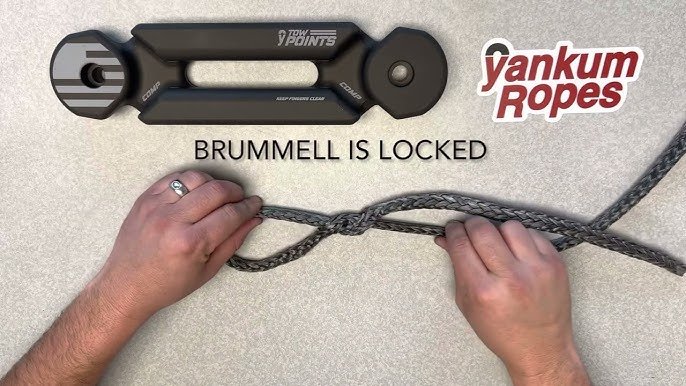
Tying a winch rope to a hook might look simple, but doing it right is crucial for safety and performance. Whether you’re off-roading, working on a farm, or using a winch for recovery, a secure connection makes all the difference.
If the rope slips or comes loose, you risk damage to equipment or even injury. This guide explains how to tie winch rope to a hook, offers practical tips, and highlights mistakes to avoid.
By the end, you’ll be ready to attach your winch rope with confidence.
Why Proper Attachment Matters
A winch is only as strong as its weakest link. The rope-to-hook connection faces high tension and sudden jerks. If you use the wrong knot, or if the rope is not seated correctly, it can fail under load. Besides safety, a good connection also protects your gear from wear and extends its life.
Types Of Winch Rope And Hooks
There are two main types of winch rope: steel cable and synthetic rope. Both require slightly different approaches when tying to a hook. The most common hooks are clevis slip hooks and thimble hooks. Each has a different opening and way of attaching the rope.
Here’s a quick comparison:
| Winch Rope Type | Strength | Flexibility | Durability |
|---|---|---|---|
| Steel Cable | Very High | Low | Resistant to Abrasion |
| Synthetic Rope | High | High | Vulnerable to UV & Chemicals |
Tools And Materials Needed
Before you start, collect these items:
- Winch rope (steel or synthetic)
- Winch hook (clevis or thimble)
- Protective gloves
- Shackle pin or cotter pin (sometimes needed for securing)
- Tape (for synthetic rope ends)
Step-by-step: How To Tie Winch Rope To Hook
1. Prepare The Rope End
If you’re using synthetic rope, wrap the end tightly with tape to stop fraying. For steel cable, ensure there are no sharp strands sticking out.
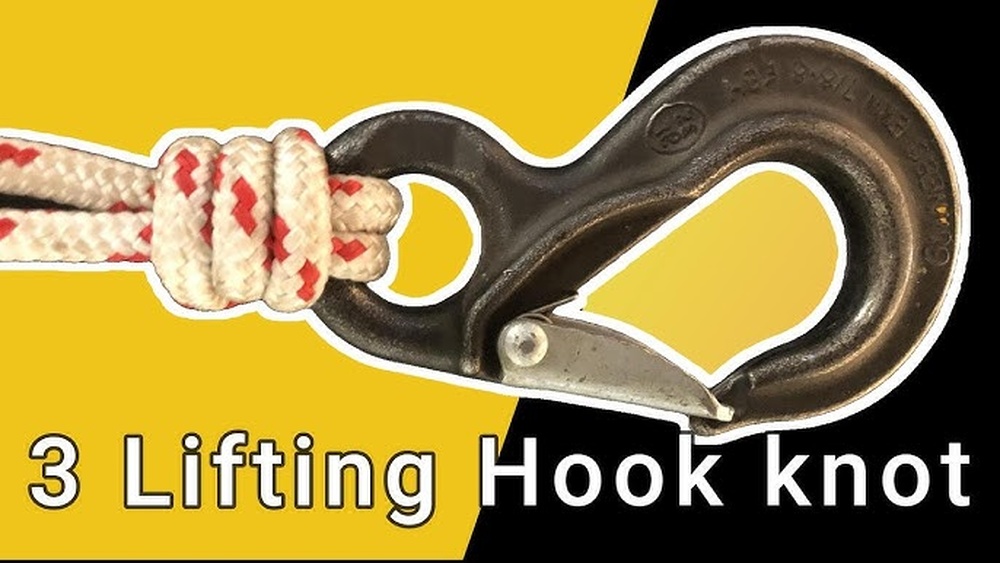
2. Insert Rope Through Hook Eye
Feed 6-8 inches of the rope through the hook’s eye. With synthetic rope, it’s common to use a thimble for extra protection.
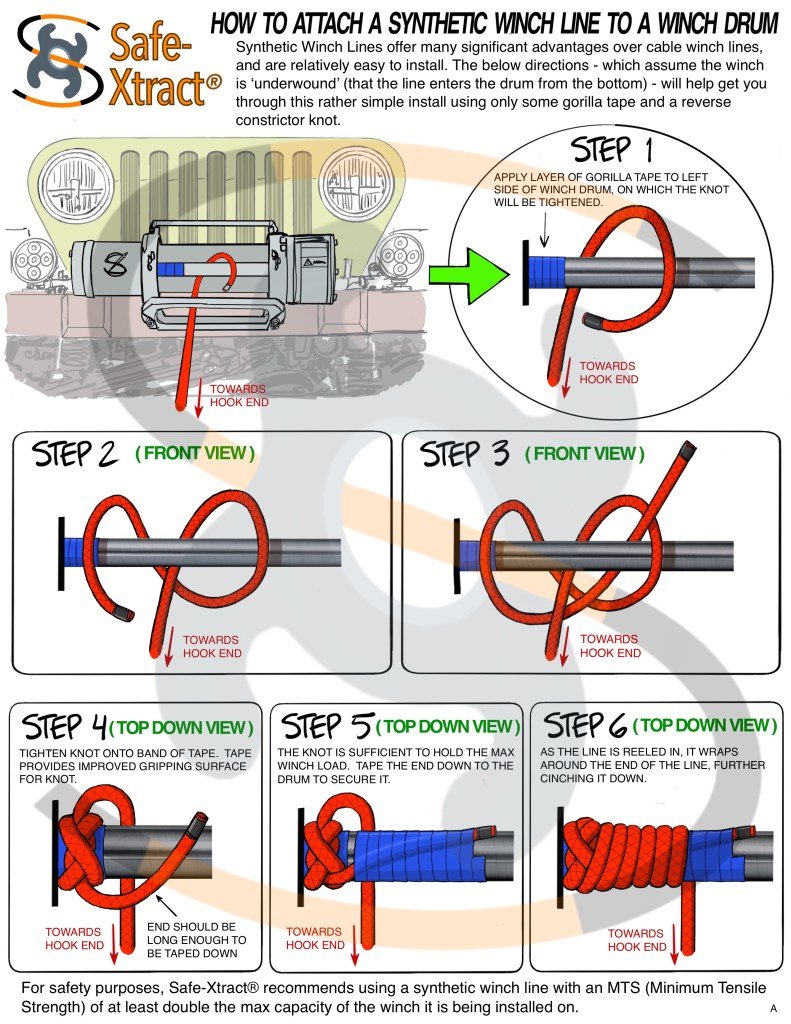
3. Tie The Correct Knot
The best knot for this job is the eye splice for synthetic rope, or a flemish eye with steel cable. A basic overhand knot is not safe for winching.
Eye Splice (synthetic Rope)
- Pass the rope through the hook or thimble eye.
- Unwind the rope’s strands (about 10 inches).
- Weave the strands back into the standing part of the rope, following manufacturer instructions.
- Tighten and smooth the splice.
Flemish Eye (steel Cable)
- Form a loop with the cable end.
- Twist the end around the main cable 2-3 times.
- Secure with a crimped sleeve.
4. Secure The Hook
If your hook uses a clevis pin or cotter pin, fit it through the hook and rope/thimble. Make sure it snaps or locks in place.
5. Inspect And Test
Pull on the hook and rope firmly to check the connection. There should be no slipping or looseness.
Common Mistakes To Avoid
Many beginners try to tie a winch rope like a shoelace. This is dangerous. Avoid these errors:
- Using simple knots like granny or overhand
- Failing to tape the end of synthetic rope
- Not using a thimble with synthetic rope and hook
- Over-tightening steel cable, causing kinks
- Forgetting to check the hook’s pin or safety latch
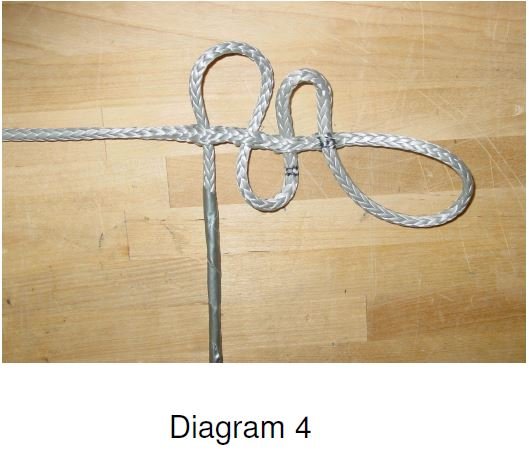
Visual Example: Eye Splice Vs. Knot
To clarify the difference, see the comparison below:
| Attachment Method | Strength | Suitability | Ease of Tying |
|---|---|---|---|
| Eye Splice | 90-95% of rope strength | Best for synthetic rope | Moderate |
| Flemish Eye with Sleeve | 95%+ of cable strength | Best for steel cable | Requires tool |
| Overhand Knot | 40-50% of rope strength | Not recommended | Easy |
Practical Tips For Reliability
- Always wear protective gloves when handling steel cable.
- Check the manufacturer’s instructions for your winch and rope.
- If unsure about your splice, have it inspected by a professional.
- Replace the rope or cable if you notice fraying, kinks, or broken strands.
- Use a winch rope cover to protect synthetic rope from sunlight.
When To Replace Your Winch Rope
No matter how well you tie the rope, age and use will weaken it. Replace your winch rope if you see:
- More than 10% of fibers or strands are broken
- Large flat spots or “mushrooming” in synthetic rope
- Rust or sharp kinks in steel cable
- Damage near the hook connection
Real-world Example
A 2022 off-roading survey found that synthetic ropes reduced hand injuries by 60% compared to steel cables, mainly because they are lighter and easier to handle. However, they require more careful attachment and regular checks, especially at the hook.
Advanced: Using A Winch Rope Shackle
Some users prefer a soft shackle instead of a traditional hook. These are made from synthetic rope and can be attached with a simple loop-to-loop connection. This reduces metal parts and weight, but always check compatibility with your winch.
Recommended External Resource
For more about knot strength and winch safety, visit the Winch Wikipedia page.
Frequently Asked Questions
How Tight Should The Knot Or Splice Be?
The knot or splice should be tight enough that it does not slip under load but not so tight that it damages the rope fibers. After tying, pull hard on the hook to test the connection.
Can I Use Any Knot To Tie Winch Rope To A Hook?
No. Avoid simple knots like overhand or granny knots, as they reduce rope strength significantly. Use an eye splice or a properly secured thimble for safety.
What Is A Thimble, And Do I Need One?
A thimble is a metal insert that sits inside the loop of your rope, preventing wear at the connection point. It’s highly recommended for synthetic rope to avoid abrasion and increase lifespan.
How Often Should I Check My Winch Rope And Hook?
Inspect your winch rope and hook before every use. Check for fraying, kinks, or broken parts. Regular inspection prevents accidents and extends the life of your equipment.
Is Synthetic Or Steel Winch Rope Better For Tying To A Hook?
Both have strengths. Synthetic rope is lighter and safer to handle, while steel cable is more durable against abrasion. Choose based on your needs, but always use the correct method for your rope type.
Tying winch rope to a hook isn’t just about following steps it’s about understanding why each step matters. With the right tools, technique, and regular checks, you can ensure a safe, reliable connection every time you use your winch.