Testing your suspension is one of the smartest steps you can take for vehicle safety and comfort. Whether you drive every day or only on weekends, your suspension affects handling, tire wear, and even how you feel behind the wheel.
Ignoring suspension issues can lead to expensive repairs and dangerous situations. This article will show you how to test your suspension at home, what signs to look for, and how to understand the results.
You’ll also learn common mistakes and get practical tips from experienced mechanics.
Let’s make sure your ride is smooth and safe.
Why Suspension Matters
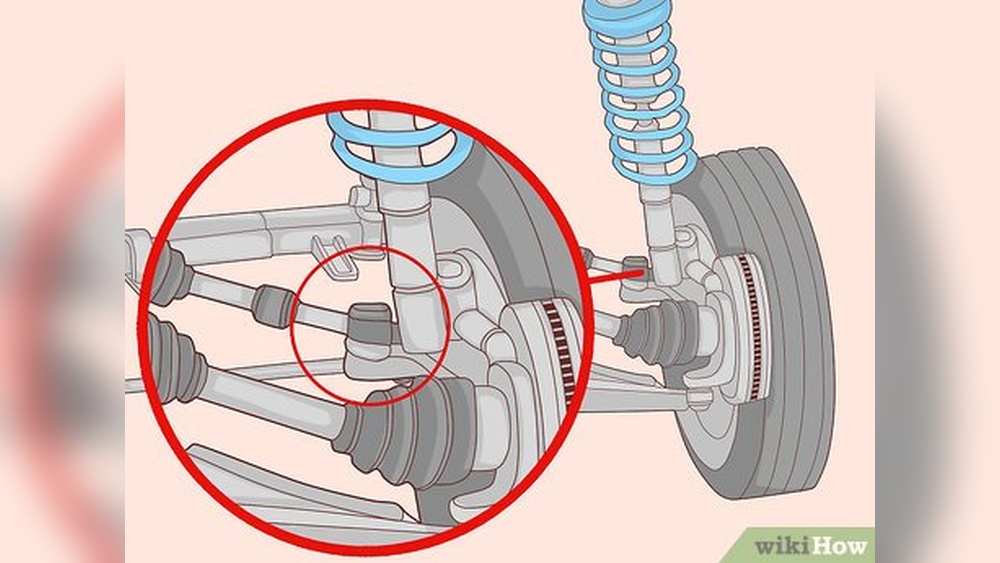
The suspension system supports your car’s weight, absorbs bumps, and keeps tires in contact with the road. A healthy suspension improves steering, braking, and stability. According to the National Highway Traffic Safety Administration, over 13% of accidents are linked to mechanical issues, with suspension problems being a major factor.
Suspension issues can cause:
- Poor handling and drifting
- Uneven tire wear
- Longer braking distances
- Noisy rides
Most drivers notice problems when the car feels unstable, but some signs are subtle. Regular testing helps prevent bigger problems.
Simple Visual Inspection
Before testing with tools, do a quick check for obvious issues.
- Check for leaks: Look under the car for oil or fluid on shocks and struts.
- Inspect bushings and mounts: Rubber parts should not be cracked or missing.
- Look at springs: Springs should not be broken or rusted.
- Check tire wear: Uneven wear often points to suspension trouble.
These checks can reveal problems that need immediate attention.
The Bounce Test
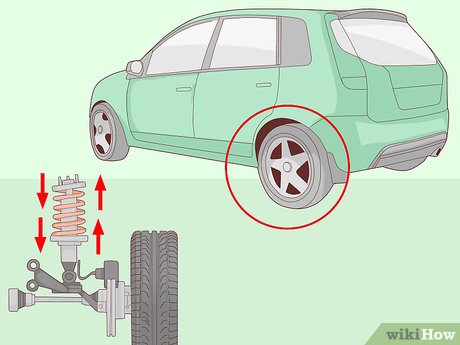
A classic method to check suspension is the bounce test. It’s simple, requires no tools, and gives quick feedback.
- Stand at the front of your car.
- Press down hard on the hood, then release.
- Watch how many times the car bounces.
If the car bounces more than twice, your shocks or struts may be worn out. The same test can be done at the rear by pressing the trunk.
Bounce Test Data
Here’s a quick comparison of bounce test results:
| Bounce Count | Condition | Action Needed |
|---|---|---|
| 1 | Normal | No action |
| 2 | Acceptable | Monitor |
| 3+ | Worn | Replace shocks/struts |
Most drivers miss early signs of suspension wear, only noticing problems when handling gets dangerous. Checking bounce now can save money and stress.
Road Test Observations
A drive around the block can reveal much about your suspension. Pay attention to:
- Steering response: Is it tight or loose?
- Noise: Listen for clunks, squeaks, or rattles.
- Pulling: Does the car drift left or right?
- Ride comfort: Are bumps harsh or does the car float?
Take notes after each drive. Compare your observations with previous drives.
If you notice any worsening, suspension parts may be failing.
Common Road Test Findings
| Observation | Possible Cause |
|---|---|
| Clunking on bumps | Loose or worn bushings |
| Car floats | Worn shocks/struts |
| Steering drift | Bad alignment or suspension |
Many beginners overlook noises, thinking they are normal. But even small sounds can signal serious issues.
Advanced Suspension Testing
If you want deeper results, use tools for more accurate tests.
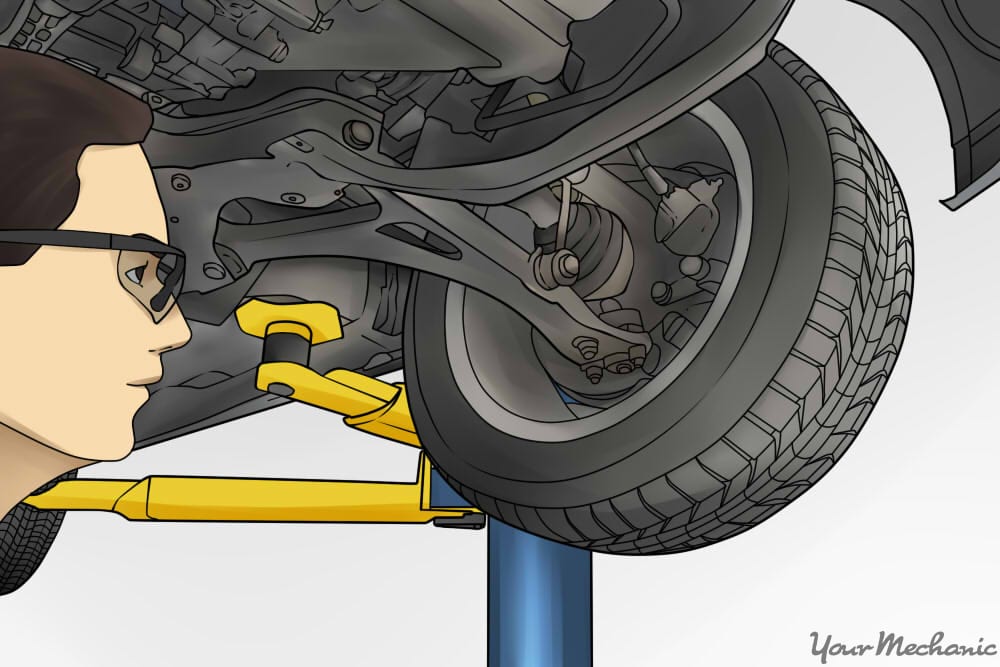
- Jack up your vehicle: Make sure it’s secure before working.
- Check wheel movement: Grab each wheel and shake side to side and up/down.
- Excess movement means worn ball joints, bearings, or tie rods.
- Measure ride height: Use a tape measure to check from the ground to the fender. Compare both sides.
Ride Height Reference
| Side | Standard Height (inches) | Measured | Condition |
|---|---|---|---|
| Front Left | 27-29 | ? | Check for sag |
| Front Right | 27-29 | ? | Check for sag |
| Rear Left | 26-28 | ? | Check for sag |
| Rear Right | 26-28 | ? | Check for sag |
If one side is lower, springs or suspension arms may be damaged. Always measure with the car on level ground.
Common Mistakes When Testing Suspension
Many people make errors that lead to wrong conclusions. Here are some to avoid:
- Testing on uneven ground: Always test on a flat surface.
- Ignoring tire pressure: Low tires can mimic suspension issues.
- Not comparing both sides: Always check left and right sides for differences.
- Skipping regular checks: Problems can develop quickly. Test suspension at least every six months.
Most beginners forget to check after hitting potholes or curbs, but these can cause immediate damage.
When To Seek Professional Help
If you find leaks, broken parts, or major differences in ride height, get a mechanic’s advice. Some issues, like worn ball joints or control arms, can cause accidents if ignored. Suspension repairs often need special tools and skills.
Professional shops use machines to test shocks, springs, and alignment with greater accuracy. If you need reliable results or plan a long trip, consider a shop test.
For more technical details, visit Wikipedia’s suspension page.
Frequently Asked Questions
What Are The Signs Of Worn Suspension?
Look for excessive bouncing, uneven tire wear, strange noises, and steering problems. Your car may also feel unstable or uncomfortable on rough roads.
How Often Should I Test My Suspension?
Test every six months or after hitting a large pothole. Regular checks help catch issues before they become expensive repairs.
Can Bad Suspension Cause Tire Wear?
Yes. Worn suspension often leads to uneven tire wear. Tires may show bald spots, feathering, or cupping, which means the suspension isn’t keeping them properly aligned.
Is It Safe To Drive With Bad Suspension?
No. Bad suspension can lead to poor handling, longer stopping distances, and increased risk of accidents. Always repair suspension issues quickly.
Do I Need Special Tools To Test Suspension?
Most basic tests need no special tools. A jack, tape measure, and your hands are enough for visual and bounce tests. For deeper analysis, shops use special equipment.
Checking your suspension is not just about comfort it’s about safety and saving money. With these tests, you’ll spot issues early, avoid costly repairs, and drive with confidence.
Regular suspension checks help your vehicle last longer and perform at its best.