Testing your Jeep auxiliary battery is a smart way to avoid unexpected electrical issues. Many Jeep owners face problems with flickering lights, strange warning messages, or trouble starting the engine. Often, these symptoms point to a weak auxiliary battery. This battery is important because it powers electrical systems when the main battery is busy or the engine is off. If you know how to test it, you can prevent larger problems and save money on repairs.
Understanding The Jeep Auxiliary Battery
Jeep vehicles, especially models like the Grand Cherokee and Wrangler, use a dual battery system. The main battery starts the engine, while the auxiliary battery supports systems like start-stop, radio, and climate control. When the auxiliary battery fails, you may notice:
- Start-stop not working
- Warning lights (battery, check engine)
- Reduced electrical performance
Here’s a quick overview of what makes the auxiliary battery different:
| Battery Type | Main Function | Location | Common Symptoms When Failing |
|---|---|---|---|
| Main Battery | Starts engine | Front engine bay | Engine won’t start |
| Auxiliary Battery | Powers electronics | Under passenger seat or engine bay | Electrical issues, start-stop failure |
Tools Needed For Testing
You don’t need advanced tools to check your Jeep auxiliary battery. Most tests use a multimeter (voltage tester) and simple hand tools.
- Digital multimeter (essential)
- Safety gloves and glasses
- Socket set (for battery access)
- Battery charger (optional)
Some Jeep models require removing panels or seats to access the auxiliary battery. Always check your owner’s manual for exact instructions.
Step-by-step Testing Process
Testing the auxiliary battery is simple if you follow these steps. Here’s how you can do it safely and accurately:
1. Locate The Auxiliary Battery
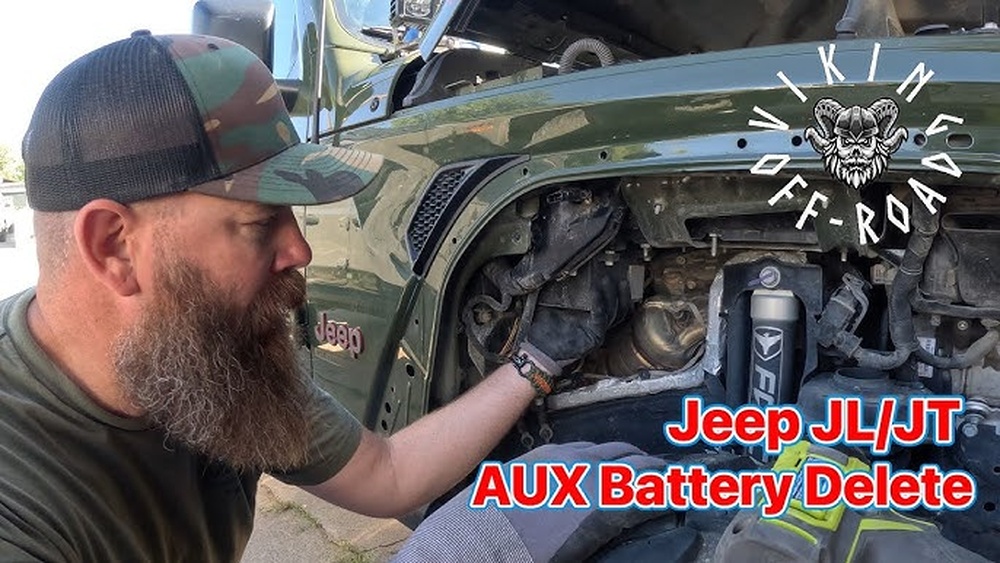
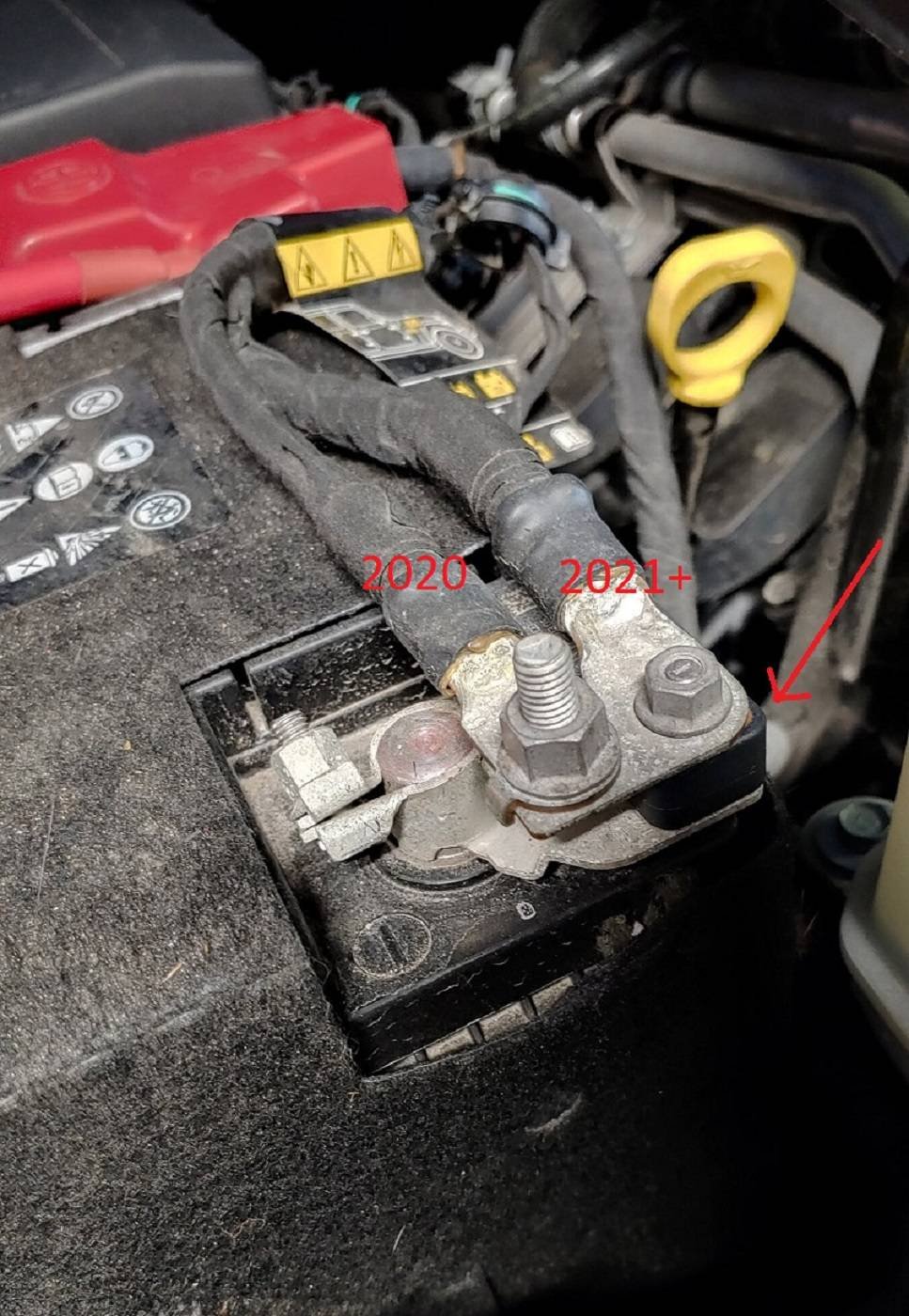
Find the battery in your Jeep. Most Wranglers and Cherokees have it under the passenger seat or in the engine bay. Remove any covers or panels as needed.
2. Inspect Visually
Check for obvious signs of trouble:
- Corrosion on terminals
- Swollen battery case
- Loose connections
If you see corrosion, clean it with a mixture of baking soda and water. Always wear gloves.
3. Measure Voltage
Turn off your Jeep and all electronics. Set your multimeter to DC voltage (20V range). Touch the positive probe to the battery’s positive terminal and the negative probe to the negative terminal.
- Healthy battery: 12.4 – 12.7 volts
- Weak battery: 12.0 – 12.3 volts
- Dead battery: Below 12.0 volts
Here’s a comparison of voltage readings:
| Voltage Range | Battery Status | Recommended Action |
|---|---|---|
| 12.4 – 12.7V | Healthy | No action |
| 12.0 – 12.3V | Weak | Recharge or replace soon |
| <12.0V | Dead | Replace immediately |
4. Load Test (optional But Useful)
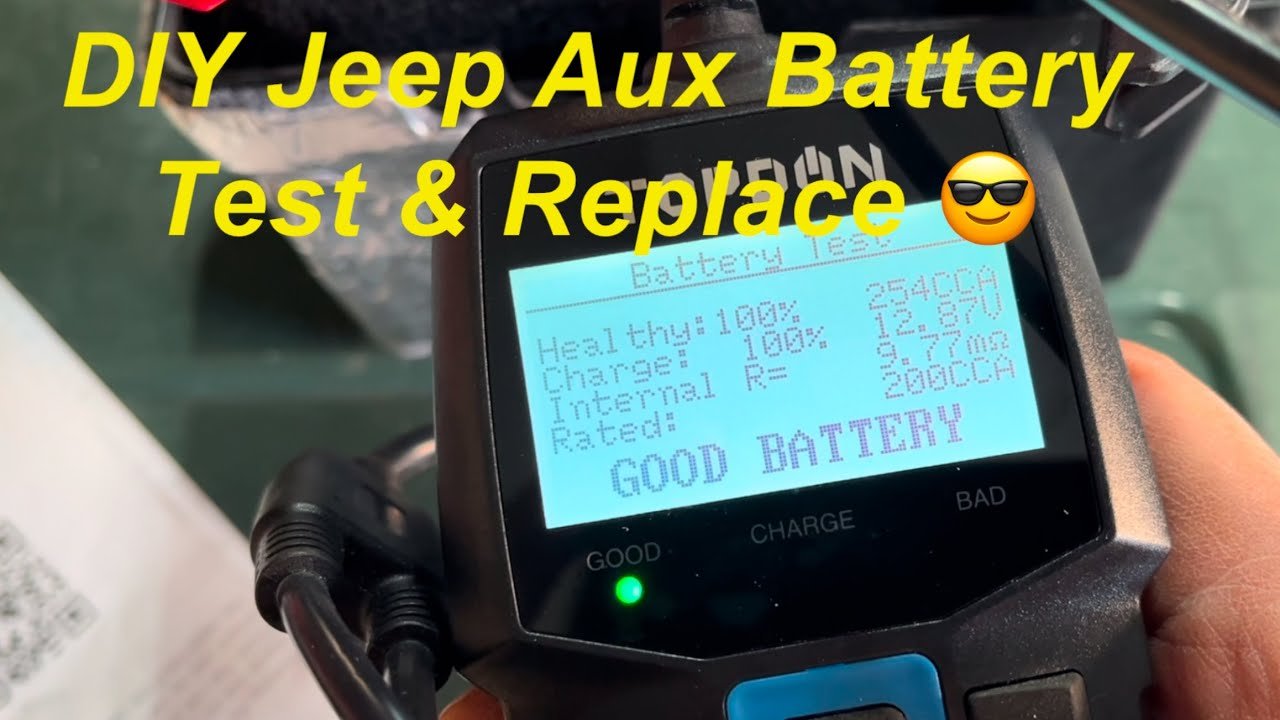
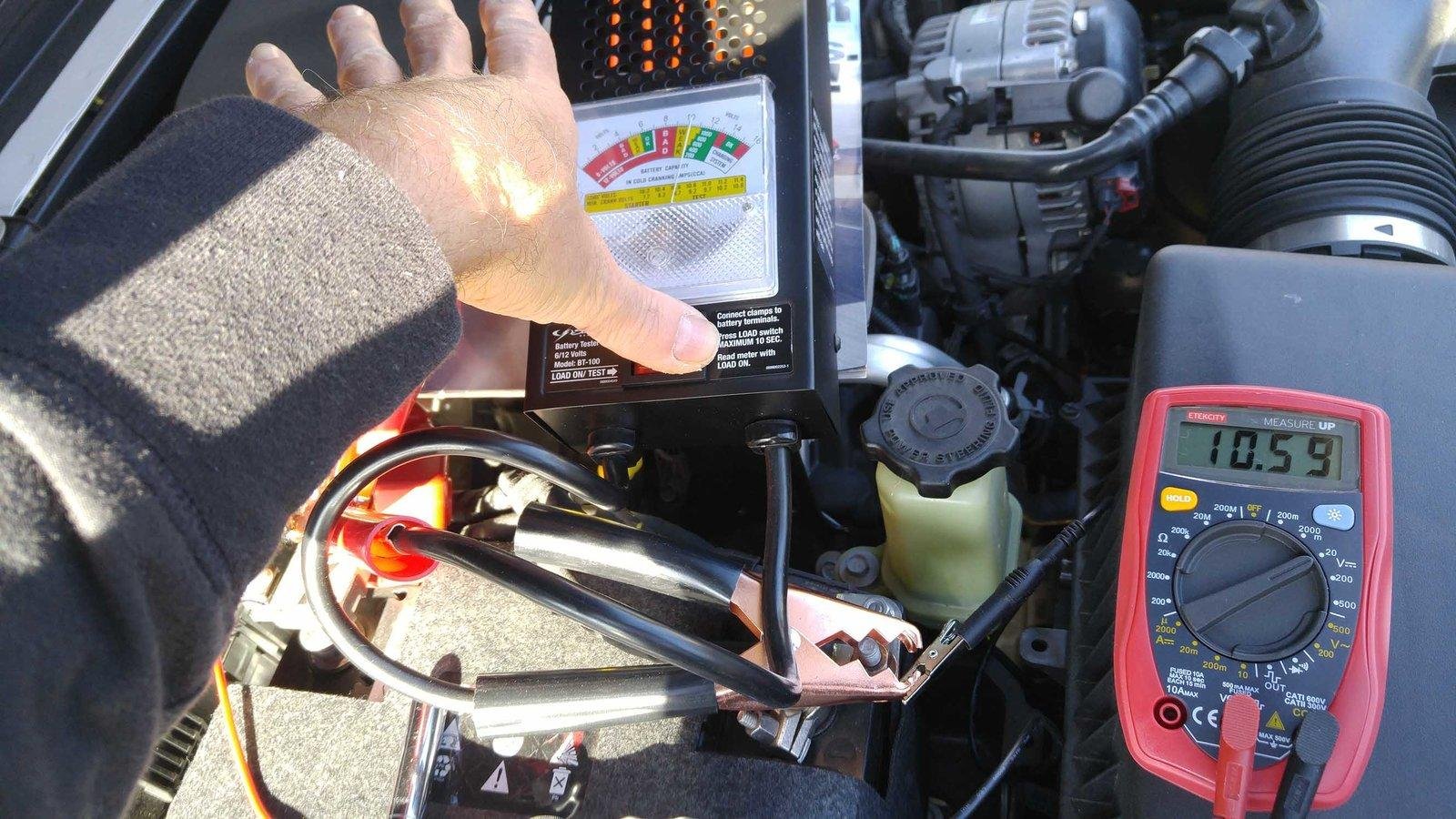
For deeper testing, use a battery load tester. This tool applies a load and checks if the battery can hold voltage.
- Connect the load tester
- Apply load for 10 seconds
- Voltage should stay above 9.6V
If the voltage drops below 9. 6V, the battery cannot support Jeep electronics and needs replacement.
5. Check Charging System
Start your Jeep and measure voltage at the auxiliary battery again.
- Charging voltage: 13.5 – 14.5 volts
If it’s lower, your alternator may have problems. This step is often skipped by beginners, but it’s important to confirm the charging system works.
Non-obvious Tips For Accurate Testing
Many people miss these details when testing their Jeep auxiliary battery:
- Test after resting: Wait at least 30 minutes after turning off the engine before testing voltage. This gives a true reading.
- Check both batteries: If your Jeep has trouble, test both main and auxiliary batteries. Sometimes the problem is with the main battery, but symptoms appear in electronics.
- Record your results: Write down voltage readings and dates. Over time, you can spot trends and replace the battery before it fails.
When To Replace The Auxiliary Battery
A weak battery can damage electrical parts or cause the start-stop system to fail. Replace your auxiliary battery if:
- Voltage is below 12.0V
- Battery fails load test
- You see frequent warning lights
Most Jeep auxiliary batteries last 3–5 years. Extreme heat and cold can shorten life.
Common Mistakes To Avoid
Testing your Jeep’s auxiliary battery is simple, but some mistakes can ruin results or cause damage:
- Testing while engine is running: This gives false high readings.
- Using wrong multimeter settings: Always use DC voltage.
- Ignoring safety: Battery acid and electrical shorts can be dangerous.
- Skipping visual inspection: Physical damage is often the first sign of trouble.
Here’s a side-by-side of good vs. bad battery testing practices:
| Good Practice | Bad Practice |
|---|---|
| Testing with engine off | Testing with engine running |
| Using correct multimeter range | Wrong multimeter setting |
| Wearing safety gear | No protection |
| Checking battery physically | Ignoring visible damage |
Real-world Example
A Jeep Grand Cherokee owner noticed the start-stop system stopped working. After testing, the auxiliary battery showed 11.8V. A load test confirmed it couldn’t hold a charge. Replacing the battery fixed the problem. This shows how regular testing can prevent bigger issues.
For more information on battery testing and maintenance, see this guide from AutoBatteries.com.
Frequently Asked Questions
How Often Should I Test My Jeep Auxiliary Battery?
Check your battery every six months or before long road trips. Extreme weather can cause faster wear.
Can I Use The Same Battery For Both Main And Auxiliary?
No, each battery has a specific purpose. The auxiliary battery is usually smaller and designed for electronics, not engine starting.
What Are Signs My Auxiliary Battery Is Failing?
Common signs are start-stop system failure, warning lights, slow electrical response, and trouble with accessories like radio or climate control.
Can I Drive With A Bad Auxiliary Battery?
Your Jeep may run, but electrical systems and start-stop features will not work correctly. Over time, this can cause damage to other parts.
Is It Safe To Replace The Auxiliary Battery Myself?
Yes, if you follow proper safety steps. Disconnect both batteries before working, use gloves, and check your Jeep manual for correct installation.
Testing your Jeep auxiliary battery is easy and helps you keep your vehicle reliable. Regular checks, careful measurement, and knowing when to replace the battery will save money and prevent electrical surprises.
Don’t wait for warning lights take charge of your Jeep’s power system and enjoy worry-free driving.