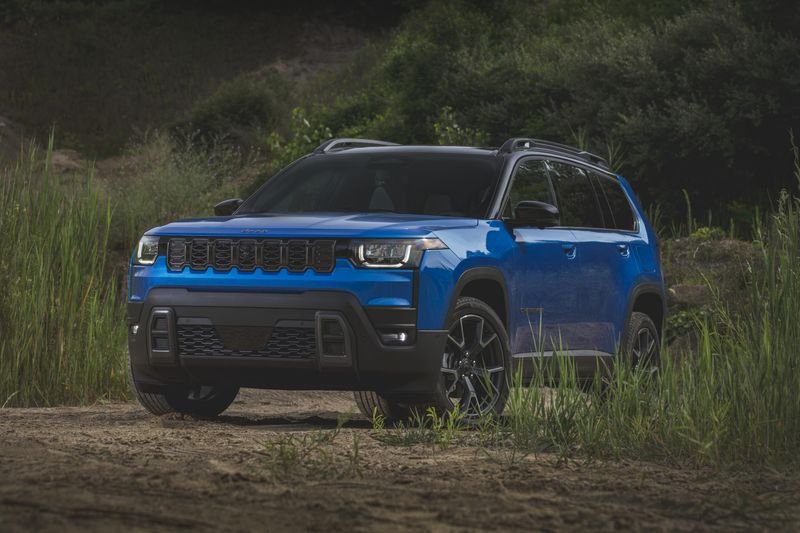
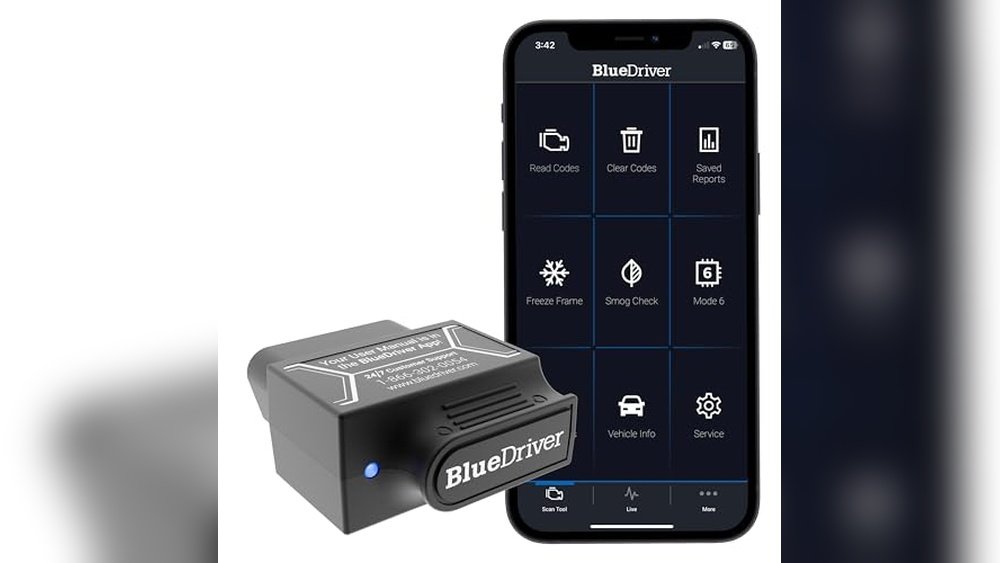
Spotting frame damage in a Jeep is not always simple, but it’s essential for safety and long vehicle life. Whether you off-road often or just drive city roads, a bent frame can lead to poor handling, uneven tire wear, and reduced crash protection.
Many Jeep owners miss subtle signs, thinking minor issues are just “quirks.” This article will guide you through clear steps to identify a bent Jeep frame, explain why it matters, and share practical tips to confirm your suspicions.
Why Frame Condition Matters
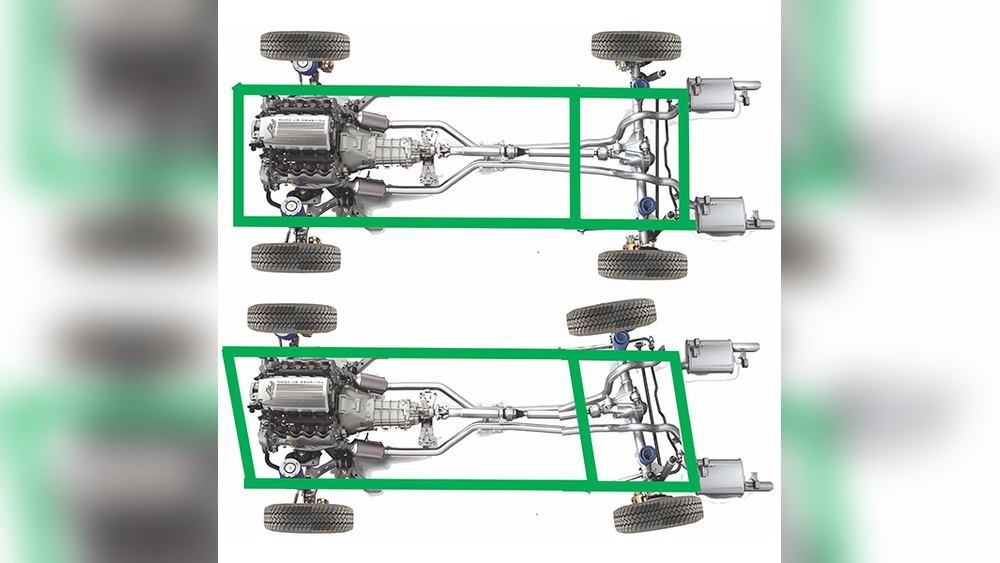
The Jeep frame is the backbone of your vehicle. It supports the engine, body, suspension, and keeps everything in alignment. A bent frame can cause:
- Poor alignment and rapid tire wear
- Unpredictable steering
- Problems passing inspections
- Lower resale value
- Increased risk in accidents
Frame issues are more common in older Jeeps and vehicles used for off-roading, towing, or after a collision. Even a small bend can cause problems over time.
Common Causes Of Jeep Frame Damage
Understanding how frames get bent helps you spot risk. The most frequent causes include:
- Accidents: Front or rear impacts can push the frame out of shape.
- Off-Roading: Hard landings, rocks, and uneven terrain put stress on the frame.
- Heavy Loads: Towing or hauling beyond limits strains the metal.
- Rust and Corrosion: Weakens the structure, making it easier to bend during normal driving.
Not all damage is obvious. Sometimes, the frame looks fine but has shifted slightly, affecting performance.

Visual Signs Your Jeep Frame May Be Bent
Start with a careful look at your Jeep. Walk around the vehicle and check for these clues:
- Misaligned body panels: Doors or hood don’t close smoothly.
- Gaps and uneven lines: Noticeable gaps between fender, door, or tailgate.
- Unusual tire wear: One tire wears faster or unevenly.
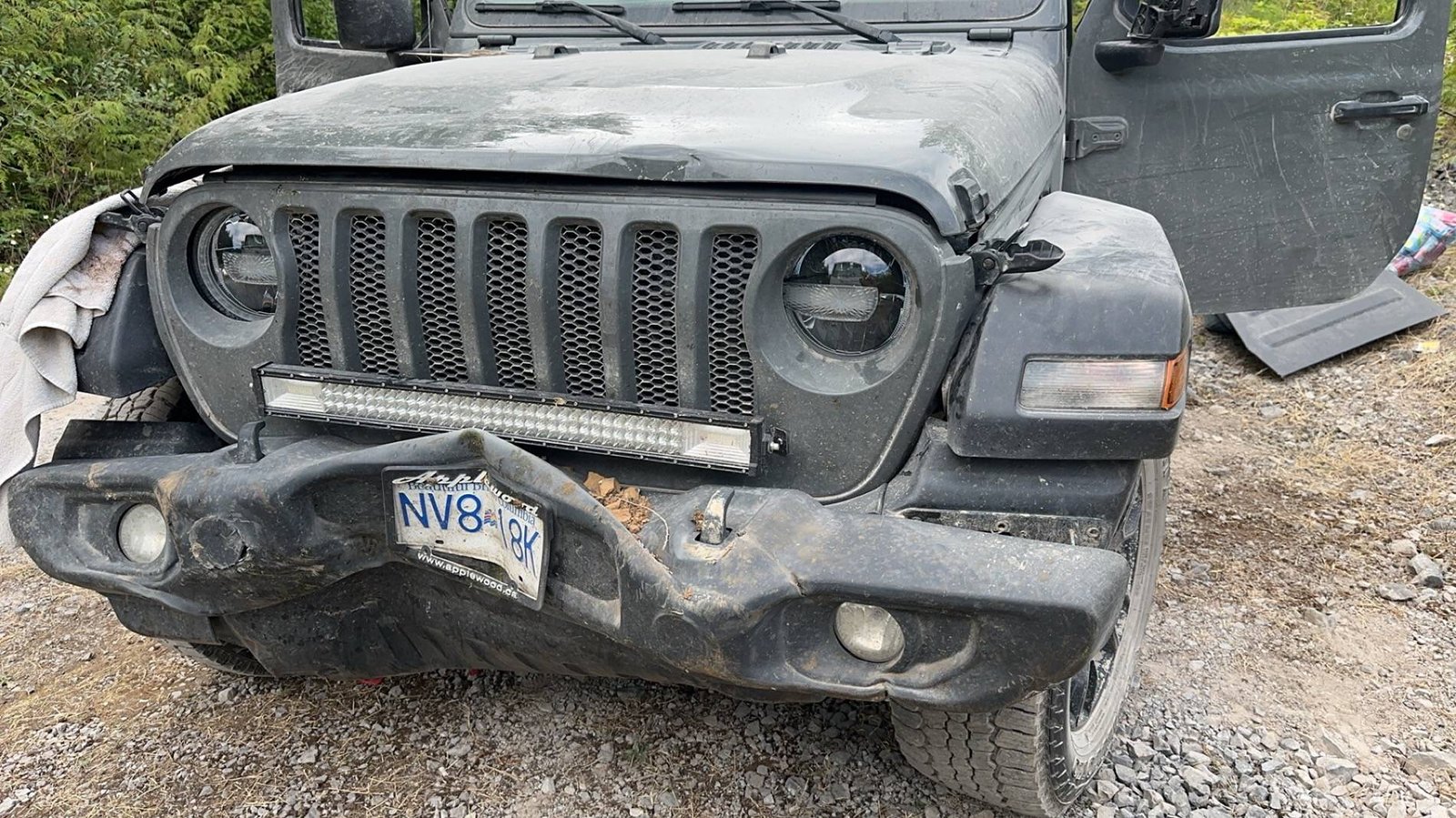
- Visible bends or cracks: Look under the Jeep for bends, kinks, or weld marks.
- Sagging or leaning: Vehicle doesn’t sit level on flat ground.
Here’s a quick comparison of normal vs. damaged frame visual cues:
| Normal Frame | Bent Frame |
|---|---|
| Even panel gaps | Irregular panel gaps |
| Level stance | Leans or sags |
| Uniform tire wear | Uneven tire wear |
Tip: A clean, dry frame is easier to inspect. Remove mud and rust before checking.
Physical And Driving Symptoms
A bent frame affects how your Jeep drives and feels. Pay attention to these symptoms:
- Steering pulls left or right: Hard to keep straight, even after alignment.
- Vibration: Steering wheel or floor shakes at certain speeds.
- Strange noises: Creaks, pops, or groans from underneath.
- Handling feels “off”: Hard to control, especially on turns or at highway speed.
Some owners notice their Jeep “crabs” the rear follows a different path than the front. This is a classic sign of frame misalignment.
Simple Diy Measurement Checks
If you suspect a bent frame, you can do a few basic checks at home:
- Measure wheelbase: Measure from the center of the front wheel to the rear wheel on both sides. They should match within 1/8 inch.
- Check body height: Use a tape measure to compare fender height from the ground at all corners. Differences suggest a twist.
- Cross-measure: Measure diagonally from one corner of the frame to the opposite. Both diagonals should be equal.
Here’s how the numbers might look:
| Measurement Point | Left Side | Right Side | Normal Range |
|---|---|---|---|
| Wheelbase | 93.0 in | 93.1 in | ±0.125 in |
| Fender Height (front) | 36.0 in | 36.8 in | ±0.25 in |
If the numbers are outside normal range, professional inspection is needed.
Professional Frame Inspection
A shop can confirm frame issues with special tools:
- Laser alignment machines: Measure frame with high accuracy.
- Frame racks: Apply force to check and correct bends.
- Digital printouts: Show exact measurements and misalignment points.
Professional checks usually cost between $100 and $200. If you’ve been in a crash, insurance may cover the inspection.
Non-obvious insight: Even a minor parking lot bump can shift the frame enough to cause issues later. Early checks save money and prevent bigger problems.
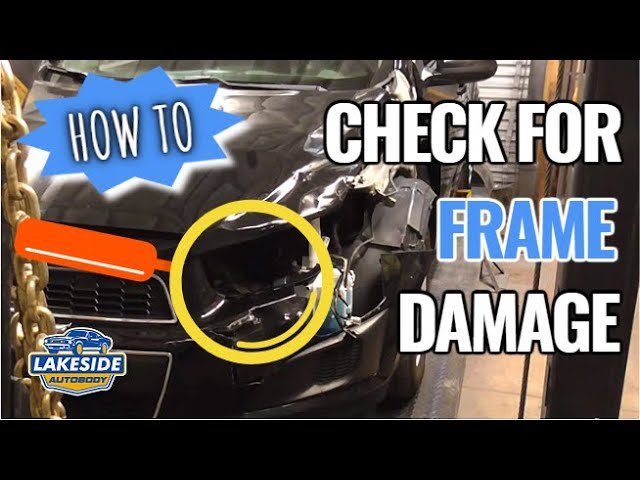
Repair Vs. Replace: What’s Possible?
Not all frame damage means your Jeep is totaled. Here’s a quick look at your options:
| Damage Type | Repair Method | Estimated Cost | Notes |
|---|---|---|---|
| Minor bend | Frame straightening | $800–$1,500 | Quick turnaround |
| Severe twist/crack | Section replacement | $2,000–$5,000 | May affect value |
| Rust-out | Frame swap | $4,000–$8,000 | Usually for older Jeeps |
Important: After repair, always get a new alignment and check for warranty coverage on the work.
When To Seek Expert Help
If you notice multiple signs or are unsure, don’t risk driving with a bent frame. Safety comes first.
Schedule a professional inspection, especially before buying a used Jeep or after any accident. Remember, a “cheap” repair can end up costing more if the frame isn’t right.
For more technical details, see the Vehicle Frame article on Wikipedia.
Frequently Asked Questions
How Can I Check A Jeep Frame For Rust Damage?
Look for flaking metal, holes, or soft spots, especially around welds and mounting points. Use a screwdriver to gently tap questionable areas—if it breaks through, the rust is severe.
Will Insurance Cover A Bent Jeep Frame?
Most policies cover frame damage after an accident if you have collision coverage. Always check with your provider and get multiple repair estimates.
Can A Bent Frame Cause Alignment Problems?
Yes, a bent frame makes proper alignment impossible, leading to uneven tire wear and poor handling, even after repeated alignments.
Is It Safe To Drive With A Slightly Bent Frame?
It’s risky. Even minor bends can worsen over time, affect airbag operation, and reduce protection in a crash. Have it checked before continued use.
Do Frame Straightening Repairs Last?
When done by a reputable shop with the right tools, frame straightening can restore most Jeeps to safe condition. Always ask for before-and-after measurements and a warranty on the work.
Spotting a bent Jeep frame early protects your investment and keeps you safe. Even if symptoms seem minor, don’t ignore them.
A careful inspection and timely repair save money, trouble, and sometimes lives.