If you own a Jeep Compass, you may wonder how to remove the headrest from your seat. Maybe you want to install seat covers, clean the upholstery, or adjust the headrest for comfort.
However, the process is not always obvious—especially for beginners. Modern car headrests are designed for safety and can be tricky to remove without the right steps.
This guide will show you exactly how to take the headrest off a Jeep Compass, explain why it can be tough, and give you tips so you don’t damage your seat.
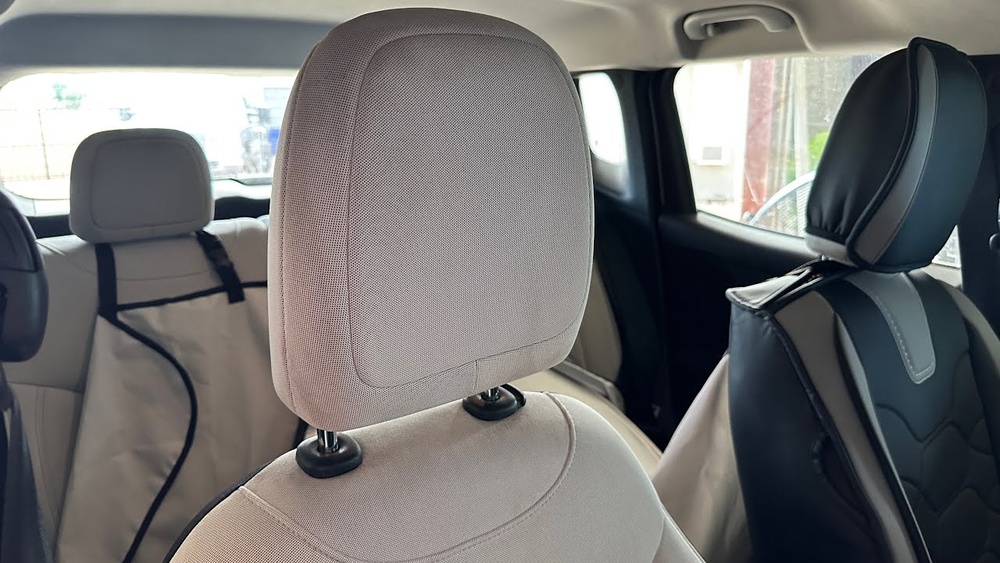
Why Remove A Jeep Compass Headrest?
There are several reasons to remove a headrest:
- Installing seat covers: Most covers fit better if the headrest is off.
- Cleaning: Deep cleaning is easier without the headrest in the way.
- Adjusting comfort: Some people swap the headrest to a different style or angle.
- Safety checks: Mechanics may remove headrests to inspect seat structure after an accident.
While it sounds simple, some Compass owners are surprised to find that the headrest is hard to pull out. This is due to built-in safety features.
Jeep Compass Headrest Types
Not every Jeep Compass model has the same headrest. Knowing which one you have can help you follow the right steps.
| Model Year | Front Seat Headrest | Rear Seat Headrest |
|---|---|---|
| 2011-2016 | Manual, Active Headrest | Fixed or Removable |
| 2017-2023 | Active Headrest, Button Release | Button Release |
Active headrests are built for whiplash protection and may have extra release mechanisms.
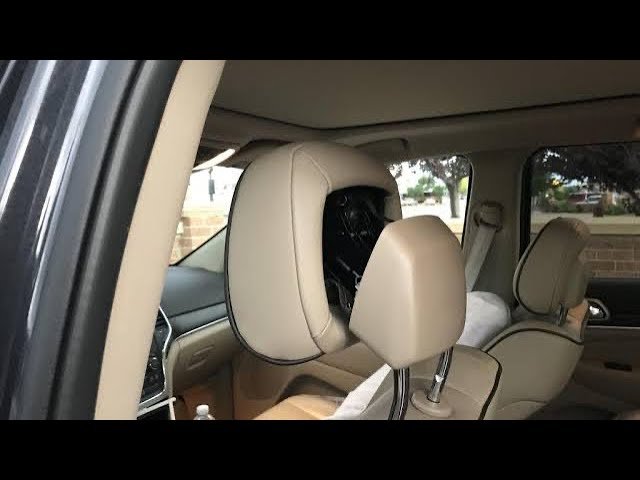
Tools And Preparation
You won’t need many tools, but it helps to have:
- A small flathead screwdriver (for hidden buttons)
- A flashlight (for finding buttons under the seat)
- A soft cloth (to protect leather or fabric)
Before starting, park your Jeep Compass on a flat surface and set the parking brake. Slide your seat back to give yourself room.
Always check your owner’s manual for any warnings about airbags or electrical parts.
Step-by-step: Removing The Headrest
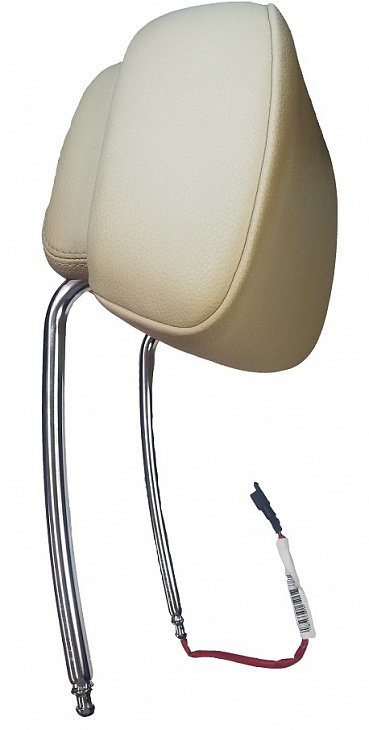
The Jeep Compass headrest is held by two metal rods (“posts”) and usually has two plastic guides at the base. One side has a visible button; the other side may have a hidden release.
1. Raise The Headrest
Pull the headrest upward to its highest position. This exposes the posts and makes it easier to find the release buttons.
On most models, you’ll find a button on one plastic sleeve at the base of the headrest. Pressing this allows the headrest to slide up and down.
The opposite plastic sleeve may have a small hole or a barely visible button. Use a flashlight if you can’t see it.
With one hand, press the main button. With the other hand, use a small screwdriver or pen to press into the hidden hole on the other side.
5. Lift The Headrest Out
While pressing both buttons, pull the headrest straight up. It should slide out smoothly.
6. If It’s Stuck
Some active headrests may require a firmer push or a special tool. Never force the headrest if it feels stuck, double-check for extra locking tabs or consult your manual.
Here’s a quick comparison of removal difficulty by model year:
| Model Year | Removal Difficulty | Special Tools Needed |
|---|---|---|
| 2011-2016 | Medium | Flathead screwdriver (sometimes) |
| 2017-2023 | Easy | None or pen |

Important Tips And Common Mistakes
- Don’t force the headrest—if it won’t move, check for hidden buttons.
- Protect your upholstery by placing a cloth under your tools.
- Remember the orientation for reinstallation; mark one post with tape if you need to.
- Check for wires—if your headrest has speakers or sensors, unplug them gently before full removal.
- Do not tamper with active headrest mechanisms. They are linked to airbag and safety systems.
A non-obvious tip: Some rear headrests fold forward before removal. If yours won’t pull out, try folding it first.
Reinstalling The Headrest
To put the headrest back:
- Line up the posts with the holes in the seat.
- Push down until you hear a click.
- Test by pulling up gently—if it doesn’t move, it’s secure.
Be sure the headrest is at the right height for safety. The top should be even with the top of your head.
When To Get Professional Help
If your headrest won’t budge or you notice wires, it’s best to contact a Jeep service center. Forcing the headrest can break the locking mechanism or damage airbags. Professional help is also recommended if you want to remove active headrests for modification.
Extra Insights Most Owners Miss
- Headrest guides can wear out if you remove and reinstall frequently. This causes wobbling. Replacement parts are available from Jeep.
- Some aftermarket seat covers come with new headrest sleeves. Always check compatibility before installing—wrong sleeves can interfere with safety features.
Frequently Asked Questions
How Do I Know If My Jeep Compass Headrest Is Active Or Standard?
Active headrests usually have a visible seam or mechanism on the back. If you’re not sure, look in your owner’s manual or check for “active” printed on the side.
Can I Remove The Rear Seat Headrests The Same Way?
Yes, most rear headrests use the same button and hidden release system. However, some may need to be folded before removal.
Will Removing The Headrest Affect Airbag Deployment?
If your headrest is an active type, removal could affect airbag or safety system performance. Always reinstall headrests after cleaning or adjustments.
Replacement headrest guides and buttons are available from Jeep dealers. Avoid driving with a loose or missing headrest for safety.
Are There Video Guides For Removing A Jeep Compass Headrest?
Yes, you can find helpful visual guides and step-by-step videos on the official Jeep owner site.
Removing the headrest from your Jeep Compass is not hard once you know where to look for the releases. Take your time, use the right tools, and avoid forcing any parts.
This way, you can keep your seats looking new and your car safe for every drive.