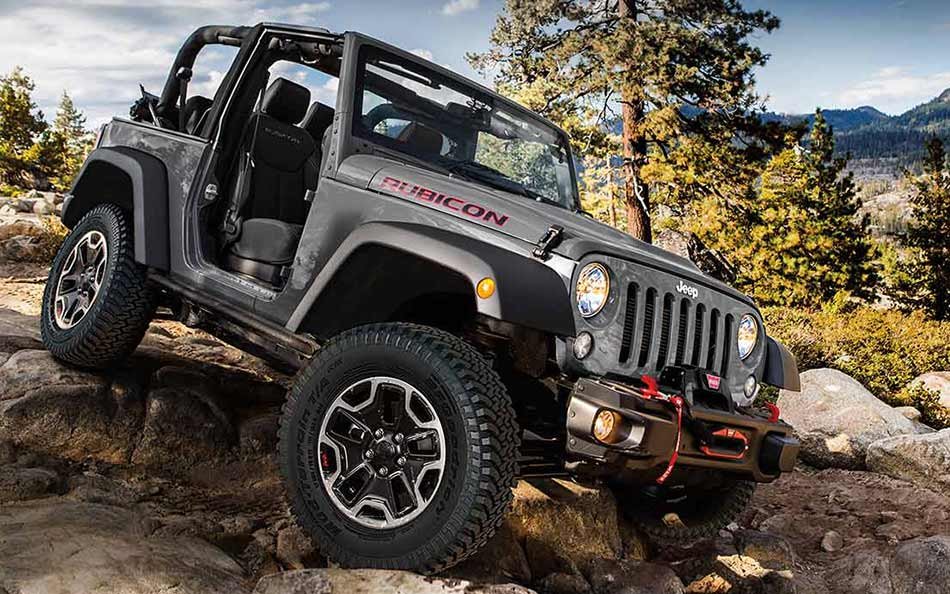
Taking the doors off a 2014 Jeep Wrangler is a popular DIY task for Jeep owners who want a more open-air driving experience. Whether you’re heading off-road, enjoying summer weather, or simply want to clean your doors, the process is straightforward—but it needs careful handling.
Many beginners worry about damaging wiring or scratching paint, but with the right steps and a little patience, you can remove your Wrangler’s doors safely and quickly.
Understanding Your Jeep Wrangler Doors
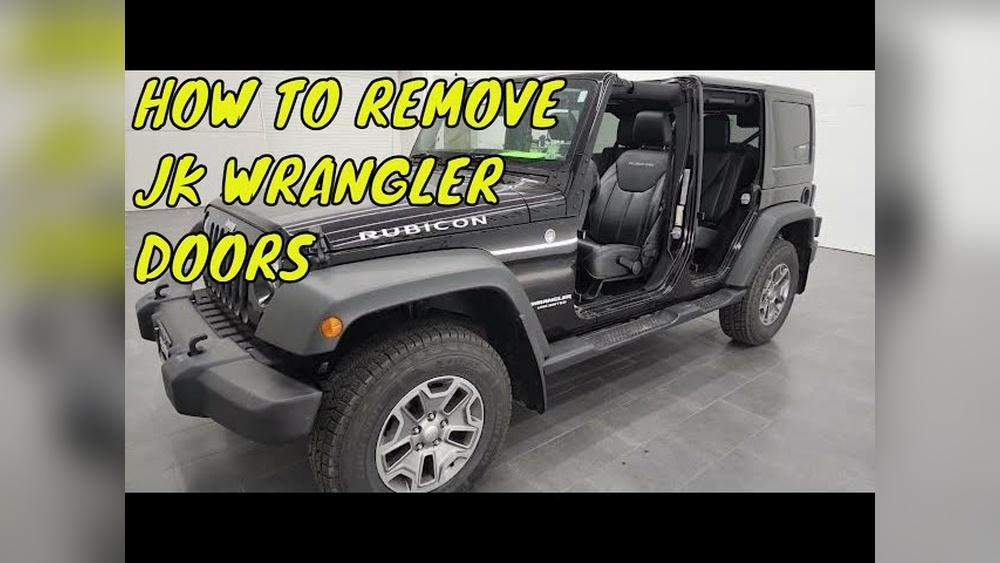
The 2014 Jeep Wrangler comes with removable doors designed for flexibility. Each door is attached with two hinges and a wiring harness that powers the windows and locks. Removing the doors is part of Jeep culture, but you should know a few facts before starting:
- Each door weighs about 50 pounds (front) and 35 pounds (rear).
- Removing the doors can make your Jeep less secure and less weatherproof.
- You must unplug electrical connectors, which can be tricky for first-timers.
Jeep owners often remove doors for off-roading or to reduce weight. Just remember, driving without doors may not be legal everywhere check your local laws.
Tools And Preparation
Before starting, gather these essential tools:
- T-50 Torx wrench (for door hinge bolts)
- Socket wrench (for removing nuts)
- Soft towel (protects paint)
- Small storage bag (for bolts and nuts)
Clear space around your Jeep to avoid bumping or scratching the doors. Park your Jeep on a level surface, and turn off the ignition.
For extra safety, disconnect your battery before unplugging the wiring.
Step-by-step Door Removal Guide
Follow these steps to remove the doors from your 2014 Jeep Wrangler:
- Lower the windows: If your doors have power windows, lower them so glass is protected during removal.
- Open the door fully: This gives you room to work and keeps the door stable.
- Unhook the straps: Inside each door, you’ll find a check strap. Unclip this from the body.
- Disconnect wiring: Locate the wiring harness under the dashboard. Press the release tab and gently pull the plug out. Some connectors may be tight—don’t force them.
- Remove hinge bolts: Using your T-50 Torx wrench, unscrew the two bolts on each door hinge. Place bolts in your storage bag.
- Lift the door off: With both hands, grab the door and lift it straight up. It can be heavy, so use your legs to help. Set the door on a soft towel to avoid scratches.
Repeat for each door. If you’re removing rear doors, steps are the same but the wiring harness may be positioned differently.
Comparison Of Front Vs Rear Doors
Here’s a quick look at how front and rear doors differ when removing:
| Feature | Front Door | Rear Door |
|---|---|---|
| Weight | ~50 lbs | ~35 lbs |
| Number of Hinges | 2 | 2 |
| Wiring Location | Under dashboard | Near rear seat |
| Difficulty | Moderate | Easy |
The front doors are heavier and require more care, especially with the wiring harness. Rear doors are lighter and easier to handle.
Storing Your Doors Safely
Once you’ve removed the doors, proper storage is important to avoid damage:
- Lay doors flat on a soft towel or foam pad.
- Keep them away from direct sunlight and moisture.
- Store bolts and nuts in a labeled bag.
Some Jeep owners use door storage carts or wall mounts for convenience. Avoid stacking doors on top of each other, as this can scratch the paint.
Protecting Wiring And Connectors
The wiring harness is fragile. Here’s how to protect it:
| Action | Potential Problem | Prevention Tip |
|---|---|---|
| Unplugging harness | Bent pins | Pull straight, no twisting |
| Leaving exposed | Corrosion | Cover with tape or cap |
| Forceful removal | Broken connector | Use gentle pressure |
Many beginners damage connectors by pulling at an angle. Always unplug wiring straight out and cover exposed ends.
Common Mistakes And How To Avoid Them
Here are some issues Jeep owners face:
- Scratching the paint: Always use a towel or pad under doors.
- Losing bolts: Store all hardware in a bag.
- Damaging wiring: Never force connectors; use gentle pressure.
- Door falls: Ask a friend to help, especially with heavy front doors.
- Legal trouble: Check local laws before driving without doors.
A less-known mistake is forgetting to disable the dome light. When doors are off, the dome light may stay on. You can disable it from the fuse box or by turning off the switch manually.
Data Table: Door Removal Time Estimate
If you’re curious about how long the process takes, here’s a quick breakdown:
| Step | Time Estimate |
|---|---|
| Preparation | 10 minutes |
| Front door removal | 15 minutes |
| Rear door removal | 10 minutes |
| Storage | 5 minutes |
In total, expect to spend 40–45 minutes for all doors if you’re careful and organized.

Reinstalling The Doors
Putting the doors back is mostly the reverse of removal:
- Align hinges carefully.
- Insert bolts and tighten with your T-50 Torx wrench.
- Reconnect wiring harness; check all functions before closing.
- Reattach check straps.
If you notice any issues (like window or lock malfunction), check the harness connections. Make sure all bolts are tight to avoid rattling.
Frequently Asked Questions
How Many Doors Can I Remove From A 2014 Jeep Wrangler?
You can remove all four doors (two front, two rear) if you have a four-door model. For two-door Wranglers, only the front doors are removable.
Is It Legal To Drive Without Doors?
It depends on your local laws. Some states require mirrors or restrict driving without doors. Always check before driving on public roads.
Will Removing Doors Affect My Warranty?
No, Jeep designed the Wrangler for removable doors. However, damage caused during removal (like broken wiring) is not covered.
How Do I Keep Mirrors When Doors Are Off?
You must attach aftermarket mirrors to the body for legal driving. Some states require at least one mirror.
What Should I Do If The Dome Light Stays On?
You can disable the dome light by removing the fuse or using the switch. This prevents draining your battery.
If you want more details or official guidance, check the Jeep user manual or visit Jeep’s official site.
Removing the doors from your 2014 Jeep Wrangler is easier than you might think. By following these steps and taking care with wiring and storage, you’ll enjoy a safe, open-air ride and avoid the common mistakes that frustrate many beginners.