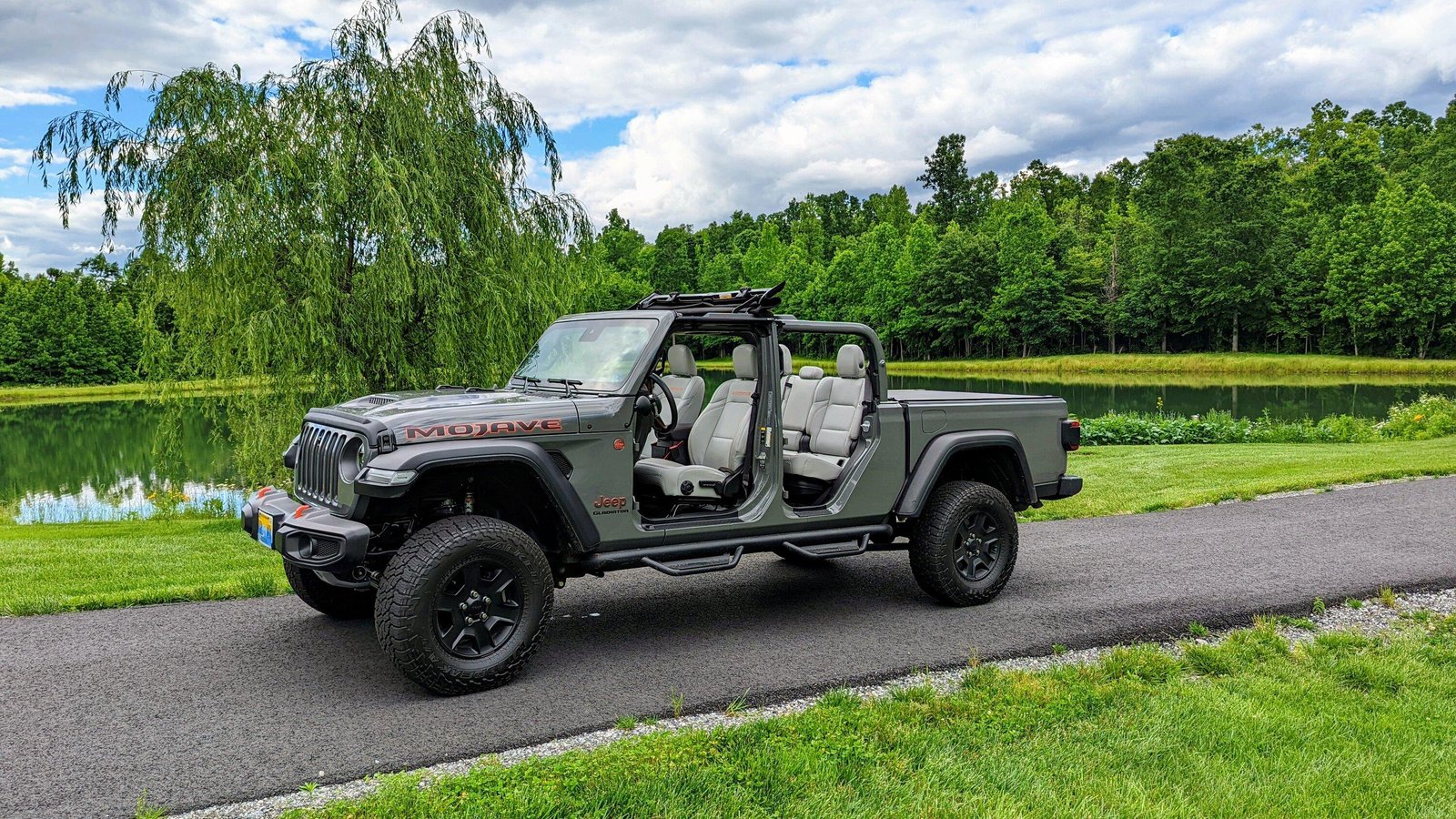
Taking the hard top off your Jeep Gladiator can transform your driving experience. It brings in fresh air, sunlight, and that true open-road adventure feeling.
However, the process is more involved than removing a soft top, and there are important steps and safety tips to follow.
If you want to remove your Gladiator’s hard top safely and efficiently, this guide will walk you through everything you need to know.

Why Remove The Hard Top?
The Jeep Gladiator is designed for versatility. With the hard top off, you get:
- Open-air driving: Enjoy the outdoors fully.
- Easier customization: Install roof racks or soft tops.
- Better cargo access: Move larger items in and out.
But it’s not just about fun. Sometimes, removing the hard top is necessary for repairs or adding accessories.
However, the hard top is heavy and awkward, so preparation is key.
Tools And Preparation
Before you start, gather these items:
- T-50 Torx bit (included in most Jeep toolkits)
- Ratchet wrench
- Sturdy friend (the hard top weighs over 140 lbs)
- Blanket or mat (to protect the top during removal)
- Storage space (for the panels and top)
Check the weather. Removing the top in rain or high winds is unsafe.
Park your Jeep on a level surface and switch off the engine.
Step-by-step: How To Take Hard Top Off Jeep Gladiator
1. Remove Freedom Panels
The Freedom Panels are the two removable sections above the driver and passenger seats.
- Flip the sun visors down.
- Undo the six latches (three per panel) inside the cabin.
- Turn the center latch above the mirror.
- Lift each panel up and out. Place them on a soft surface.
2. Disconnect Electrical And Washer Connections
The hard top has wiring for the rear defroster and a washer tube.
- Open the rear tailgate.
- Locate the wiring harness and washer tube on the driver’s side.
- Unplug the harness by pressing the tab and pulling gently.
- Release the washer tube by squeezing the connector and pulling apart.
3. Remove The Bolts
With the doors open, find the eight Torx bolts (three on each side near the roll bar, two at the rear corners).
- Use the T-50 Torx bit and ratchet to remove each bolt.
- Store the bolts in a bag or glove box.
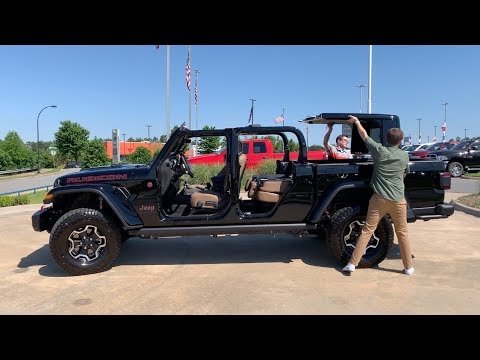
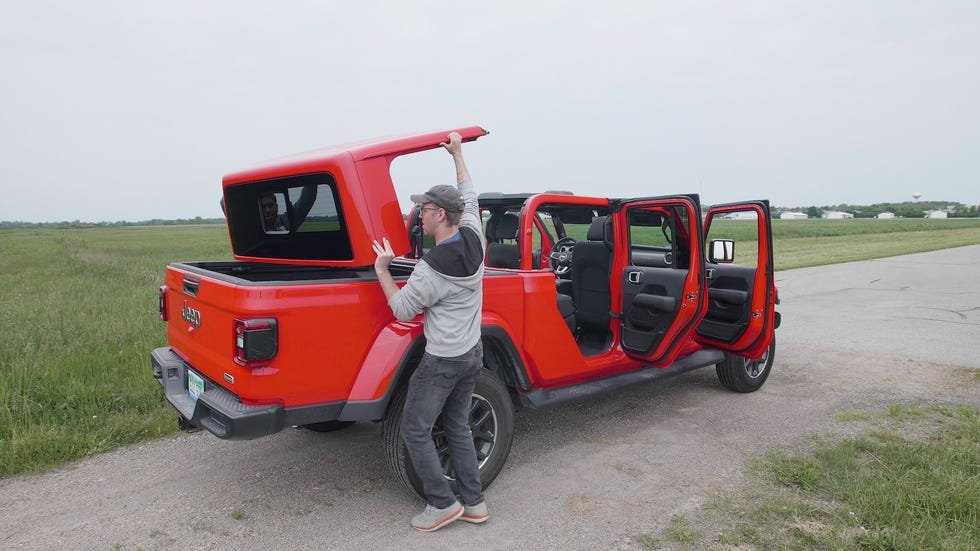
4. Lift The Hard Top
This is a two-person job.
- Each person stands on either side of the Jeep.
- Grip the base of the hard top firmly.
- Lift straight up, moving slowly to clear the Jeep’s bed and roll bar.
- Carry the top to your prepared storage area.
5. Store Properly
Lay the hard top on a blanket, with the window side up. Avoid placing heavy items on it. If you need to store for a long time, consider using a hard top hoist for safe, vertical storage.
Key Differences: Hard Top Vs. Soft Top Removal
Here’s a quick comparison to help you understand the extra steps for a hard top:
| Feature | Hard Top | Soft Top |
|---|---|---|
| Weight | 140+ lbs | 50 lbs or less |
| Number of bolts | 8 | 0-2 |
| Electrical connections | Yes | No |
| Time needed | 20-30 min | 5-10 min |
Common Mistakes And How To Avoid Them
- Losing bolts: Always keep a small bag for removed hardware.
- Scratching the paint: Lay down blankets before setting down panels.
- Forgetting to disconnect wires: This can damage the defroster or connectors.
- Lifting alone: The hard top is awkward and heavy. Always ask for help.
Storage Options: What’s Best For You?
Where you store your hard top matters for its longevity. Here are some options:
| Storage Option | Pros | Cons |
|---|---|---|
| Garage floor (with padding) | Simple, cheap | Takes up space, risk of damage |
| Hard top hoist | Saves space, easy lifting | Costs extra, needs installation |
| Professional storage bag | Protects from dust/scratches | Extra cost, still needs space |
A hoist system can be a smart investment if you plan to remove your hard top often.
Safety Tips
- Always remove the hard top with help.
- Wear gloves to improve grip and protect your hands.
- Don’t rush—damaging the top or your Jeep is costly to fix.
- Never operate electrical switches for the defroster or wiper when the top is off.
Extra Insights Most Owners Miss
Many new Jeep owners overlook these points:
- Label connectors: Use colored tape to quickly identify wiring for reinstallation.
- Weather seals: Check seals for wear before reinstalling the top to prevent leaks.
- Insurance: Some insurance plans may not cover hard top damage if removed. Check your policy.
When To Leave It To Professionals
If you have limited space, a bad back, or no helper, consider a professional Jeep service. They have hoists and experience, making the process safe and quick.
Also, if your Gladiator has aftermarket electrical add-ons, there may be extra connections to manage.
For more technical details, check the official Jeep Gladiator site.
Frequently Asked Questions
How Heavy Is The Jeep Gladiator Hard Top?
The hard top weighs about 140 to 150 pounds. It’s heavy and bulky, so always have at least one other person help with removal.
Can I Remove The Hard Top By Myself?
It’s not recommended. The top is large and difficult to maneuver alone.
Trying to do it yourself can result in damage or injury.
Will Removing The Hard Top Void My Warranty?
No, removing the hard top is allowed and will not void your warranty. Just make sure to follow the proper steps and avoid damaging wires or seals.
Is There A Tool Kit Included With The Jeep Gladiator?
Yes, most Gladiators come with a basic tool kit that includes the Torx bits needed for hard top removal. Check under your seat or in the glove box.
Can I Install A Soft Top After Removing The Hard Top?
Yes. The Gladiator is designed for easy switching between tops.
Make sure you have all necessary hardware and follow the soft top instructions for a secure fit.
Taking off your Jeep Gladiator’s hard top opens up new adventures. With the right approach, tools, and help, you can enjoy open-air freedom while keeping your vehicle safe and damage-free.