Lowering your Jeep Grand Cherokee can change its appearance and handling. Many owners want a lower stance for better cornering, improved aerodynamics, and a sportier look.
But lowering a Jeep is not as simple as adjusting a knob. You need to plan carefully, use the right parts, and understand how it affects your ride.
This guide explains the main ways to lower your Grand Cherokee, the benefits and risks, and gives practical advice for beginners.
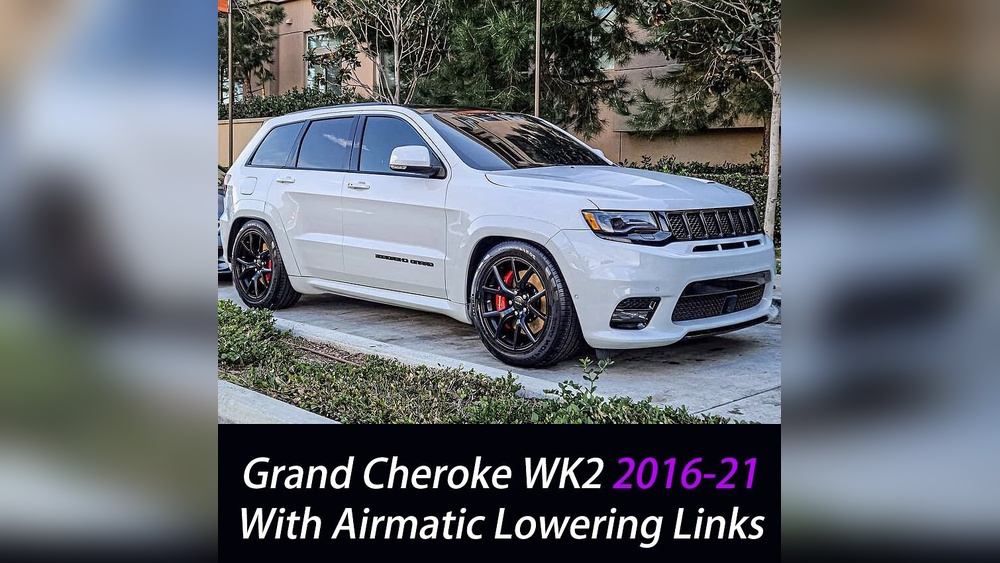
Ways To Lower A Jeep Grand Cherokee
Lowering your Grand Cherokee can be done in several ways, depending on your budget and goals. Here are the most common methods:
1. Lowering Springs:
These replace your factory springs with shorter, stiffer ones. Lowering springs drop your Jeep by 1 2 inches on average.
They are affordable, and installation is straightforward. Most drivers notice a firmer ride and improved handling.
2. Coilovers:
Coilovers let you adjust the height and stiffness. They are more expensive but give you precise control.
Coilovers can lower your Jeep up to 3 inches, depending on the model. This option is best for those wanting custom tuning.
3. Air Suspension Adjustment:
If your Grand Cherokee has factory air suspension, you can lower the ride height using the system settings. Some owners use aftermarket modules to drop it even more.
This method is reversible and does not require replacing parts.
4. Drop Kits:
Drop kits usually include new springs, shocks, and sometimes control arms. They are designed for more aggressive lowering (2 3 inches).
Drop kits change the suspension geometry and may need extra work to keep your Jeep safe.
5. Cutting Springs (not Recommended):
Some people cut factory springs to save money, but this is unsafe. It can cause uneven ride height and damage suspension parts. Avoid this method.
| Method | Average Drop | Cost Range | Adjustability |
|---|---|---|---|
| Lowering Springs | 1–2 inches | $200–$500 | No |
| Coilovers | 1–3 inches | $800–$2000 | Yes |
| Air Suspension | 0.5–2 inches | $100–$500 (module) | Yes |
| Drop Kit | 2–3 inches | $700–$1500 | No |
What To Consider Before Lowering
Lowering your Jeep Grand Cherokee is a big change. Here are the key points to think about:
- Ride Quality: Lowering usually makes the ride stiffer. Bumpy roads will feel rougher.
- Clearance: A lower Jeep means less ground clearance. You may scrape on speed bumps or steep driveways.
- Tire Fitment: Not all tires fit after lowering. You might need smaller or low-profile tires.
- Alignment: Lowering affects wheel alignment. Always get a professional alignment after lowering.
- Warranty: Changing suspension can void your warranty. Check with your dealer before making changes.
Common Mistakes
Many beginners rush the process. Here are mistakes to avoid:
- Buying parts that are not made for your Jeep Grand Cherokee.
- Not getting an alignment after lowering.
- Ignoring tire size and rubbing issues.
- Forgetting about insurance and warranty changes.
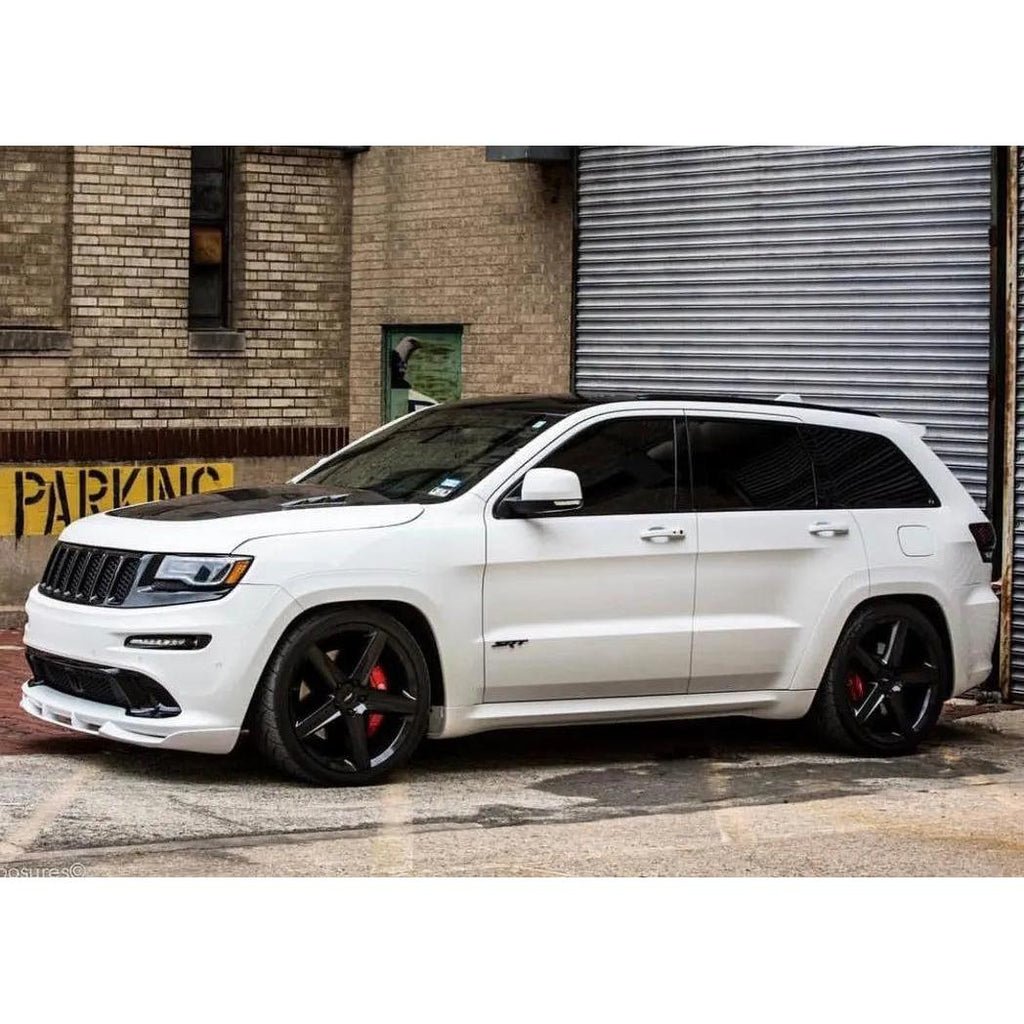
Step-by-step: Lowering Springs Installation
Most owners choose lowering springs because they are affordable and effective. Here’s a basic overview:
1. Choose The Right Springs:
Pick springs designed for your Grand Cherokee’s year and trim.
2. Prepare Tools:
You need a jack, jack stands, socket set, spring compressor, and safety gear.
3. Lift The Vehicle:
Safely lift and support your Jeep. Remove wheels for easier access.
4. Remove Old Springs:
Unbolt shocks and use a spring compressor to remove old springs.
5. Install Lowering Springs:
Compress and place new springs. Reattach shocks and bolts.
6. Check Everything:
Inspect for any loose parts. Reinstall wheels.
7. Get Alignment:
Visit a shop for a proper wheel alignment.
Estimated time: 3–5 hours. If you’re unsure, ask a mechanic for help.
| Task | Difficulty | Time Needed |
|---|---|---|
| Spring Removal | Moderate | 1–2 hours |
| Spring Installation | Moderate | 1–2 hours |
| Alignment | Easy | 30–60 minutes |
Benefits Of Lowering Your Jeep Grand Cherokee
Lowering is not just about style. You get real advantages:
- Better Handling:
Lower center of gravity helps with cornering and stability.
- Improved Aerodynamics:
Less air under the Jeep means less drag and better fuel efficiency (about 2 5% improvement).
- Sporty Look:
Your Jeep stands out with a sleek, aggressive appearance.
- Enhanced Performance:
Lowered suspension can improve acceleration and braking.
Non-obvious insight: Lowering your Jeep can also reduce wind noise at high speeds. Many owners report quieter rides after lowering.
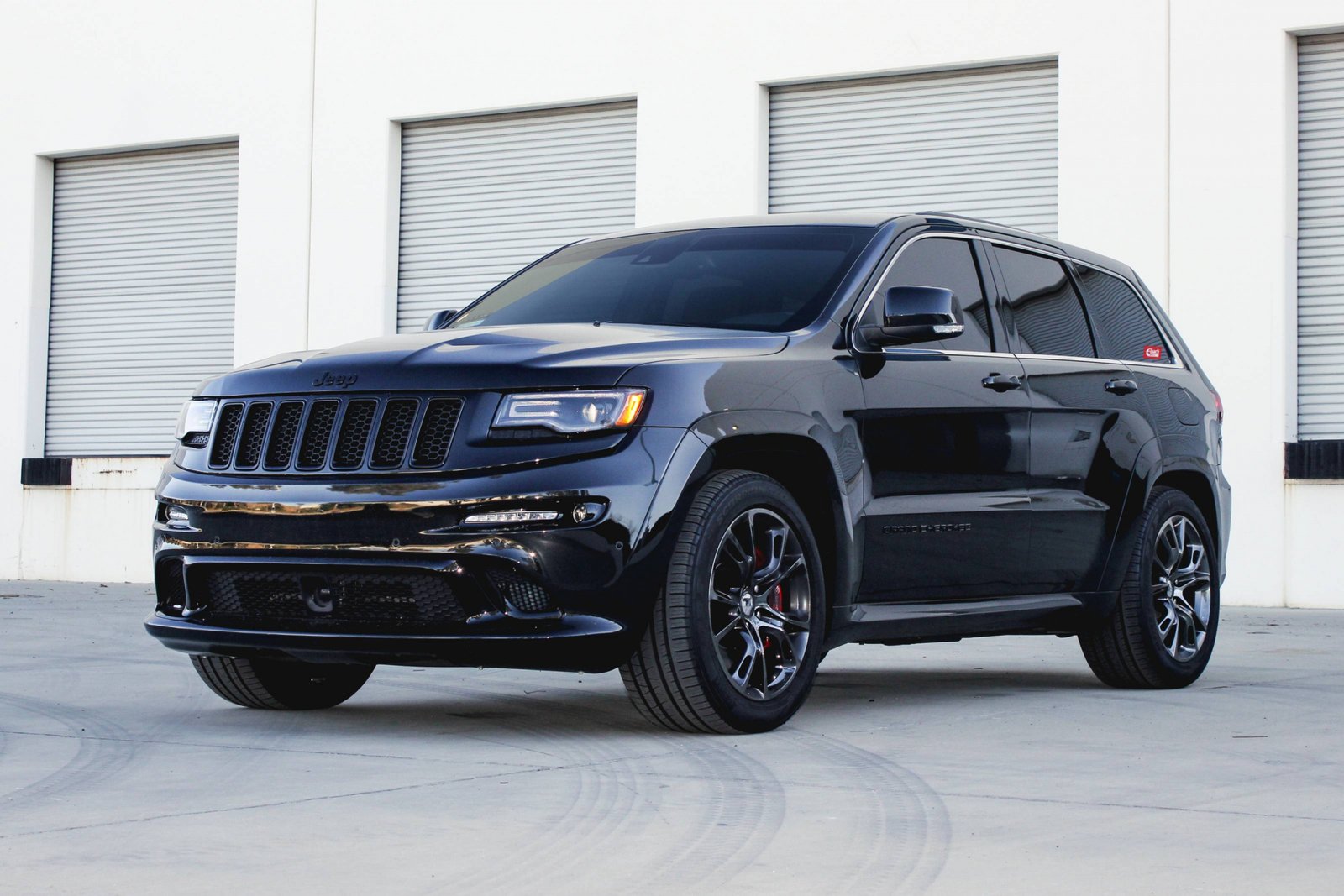
Risks And Downsides
Lowering is not for everyone. Here are the main risks:
- Reduced Comfort:
Stiffer suspension can make long drives less pleasant.
- Damage Potential:
You are more likely to hit curbs or road debris.
- Extra Wear:
Suspension parts, tires, and shocks may wear faster.
- Insurance Costs:
Some insurers raise rates for modified vehicles. Always check before lowering.
Another insight: Lowering can change how your Jeep behaves in emergencies. It may respond differently during sudden stops or lane changes.
| Benefit | Downside |
|---|---|
| Better handling | Reduced comfort |
| Improved look | Less ground clearance |
| Quieter ride | Extra wear on parts |
| Better braking | Possible insurance changes |
Real-world Example
A 2021 Jeep Grand Cherokee owner wanted a sporty look and better handling. He chose quality lowering springs and had a shop install them. The Jeep dropped by 1.5 inches, handled corners better, and used low-profile tires to avoid rubbing. The owner noticed firmer ride quality and improved fuel economy. Alignment and insurance were updated before driving daily. This example shows the importance of planning and proper installation.
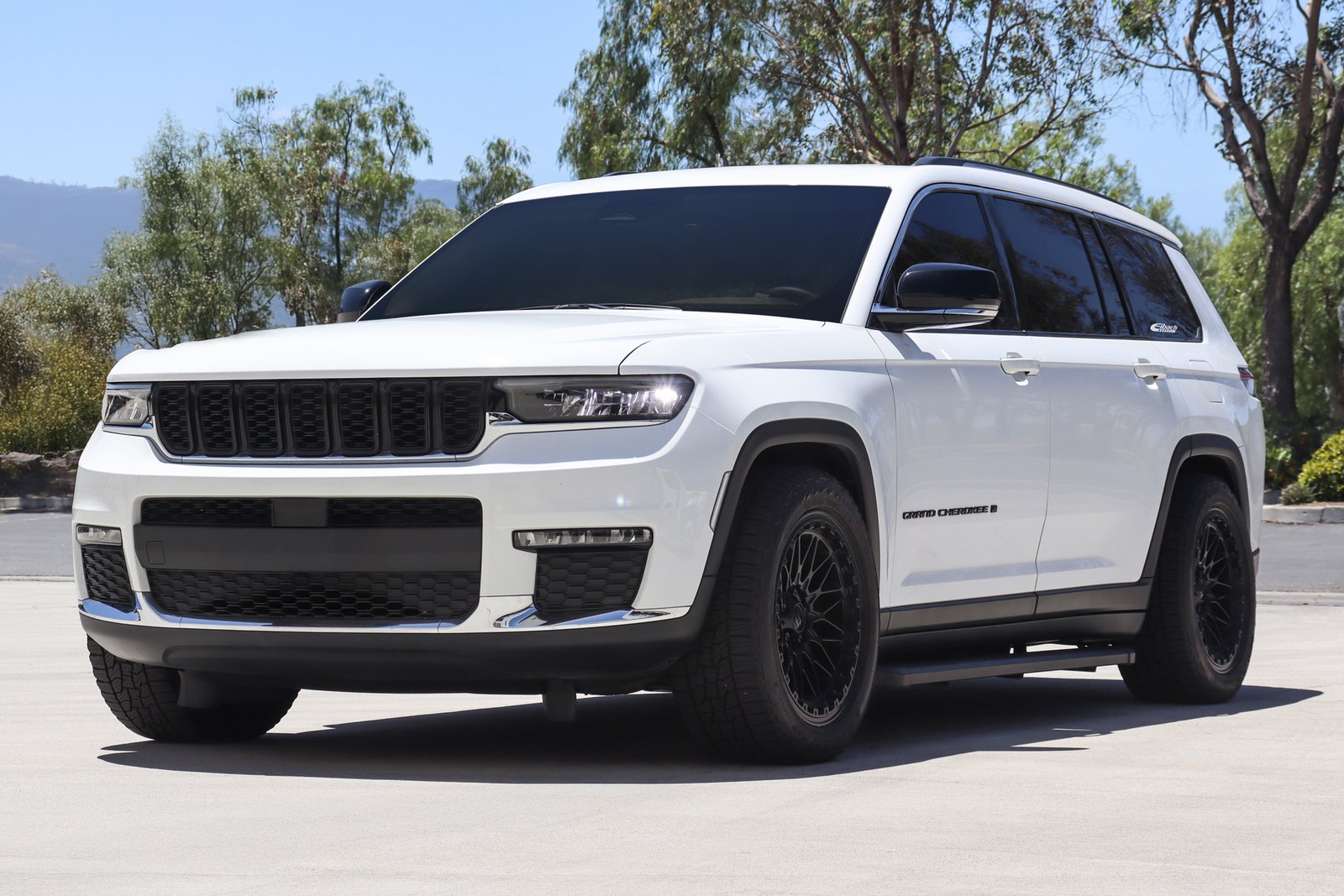
Frequently Asked Questions
Can I Lower My Jeep Grand Cherokee Myself?
Yes, if you have the right tools and mechanical skills. Lowering springs are the most common DIY option, but coilovers and drop kits are harder. If you’re unsure, professional installation is safer.
Does Lowering Affect Off-road Ability?
Yes. Lowering reduces ground clearance, making off-roading riskier.
If you use your Jeep for trails or rugged terrain, lowering is not recommended.
Will Lowering Void My Warranty?
It depends. Some dealerships allow mild changes, but most will void the suspension part of your warranty. Always ask your dealer before starting.
How Much Does It Cost To Lower A Jeep Grand Cherokee?
Costs range from $200 for springs to $2,000 for coilovers. Don’t forget labor costs and alignment fees.
Air suspension modules are cheaper but may have limits.
Where Can I Find Reliable Lowering Kits?
For genuine parts and advice, visit Jeep’s official website or trusted aftermarket brands. Avoid cheap, unknown kits that may not fit or last.
Lowering your Jeep Grand Cherokee gives you more than just a new look—it changes how your vehicle handles and feels. With careful planning and the right parts, you can enjoy a sportier ride. Always consider the risks and talk to experts before making any big changes.