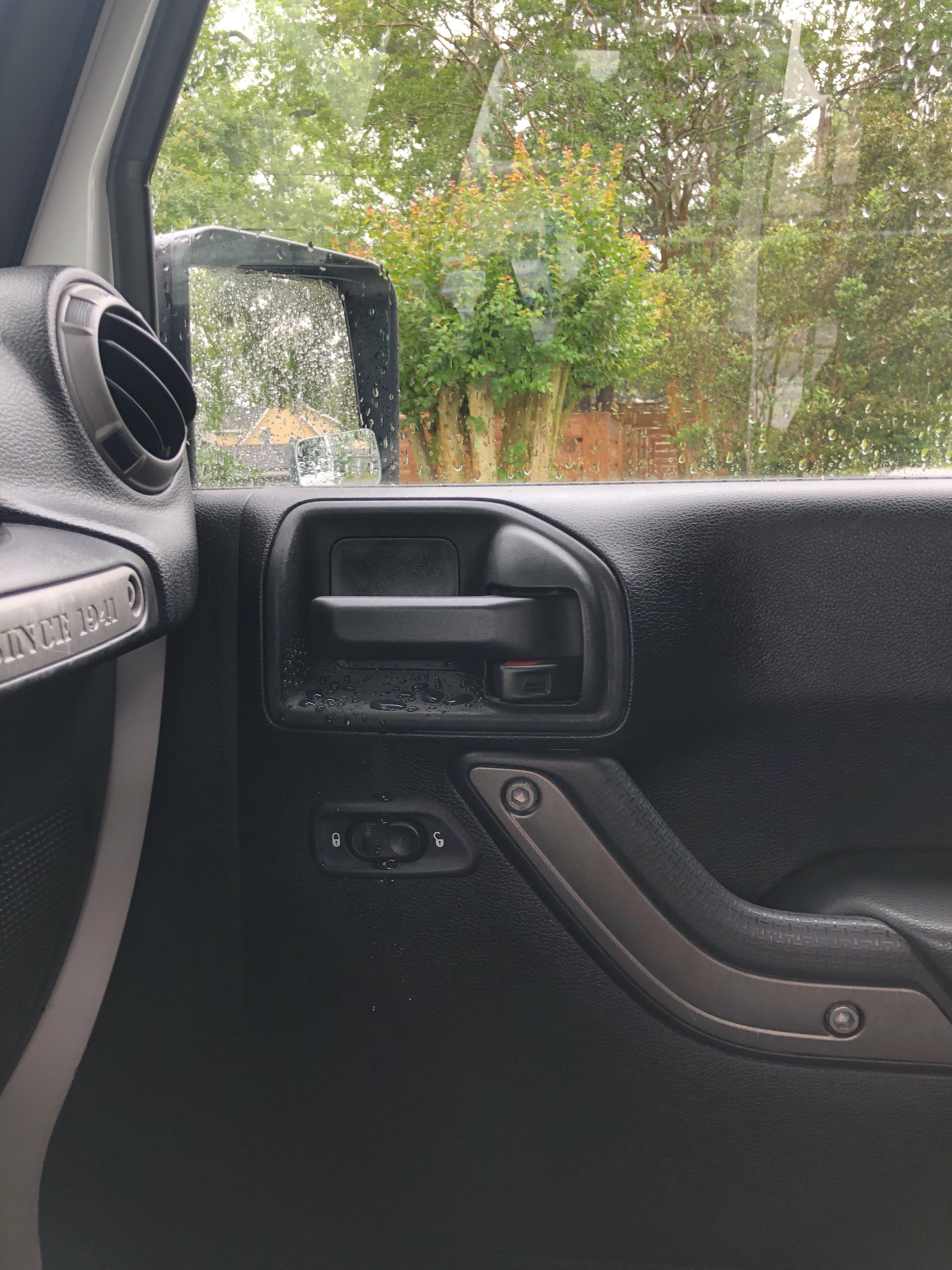
Owning a Jeep brings adventure, but leaking doors can quickly ruin your fun. Water entering your cabin is not just annoying it can damage electronics, cause mold, and lead to expensive repairs.
Many Jeep owners struggle with door leaks, especially after heavy rain or off-road trips.
The good news is you can stop Jeep doors from leaking with the right approach. This guide covers proven fixes, practical tips, and insights that most beginners overlook.

Why Jeep Doors Leak
Jeep doors are designed for rugged use, but their removable nature makes them more prone to leaks. Common causes include:
- Worn weatherstripping
- Loose hinges
- Misaligned doors
- Cracked seals
Older Jeeps and models with frequent door removal tend to leak more. Even new Jeeps can have leaks if seals are damaged during off-roading.
Inspecting Your Jeep Door Seals
Before you fix the leak, you need to find its source. Start by checking the weatherstripping around your doors. Look for:
- Gaps
- Tears
- Compressed rubber
Run your fingers along the seals to feel for soft spots. If water pools on the floor after rain, focus on the bottom corners of the door.
Spray water directly onto doors and watch for drips inside. Sometimes leaks come from the top, especially if you have a soft top or aftermarket roof.
| Area | Leak Signs | Recommended Fix |
|---|---|---|
| Top of Door | Wet headliner | Replace upper seal |
| Bottom of Door | Wet carpet | Check threshold seal |
| Door Hinges | Rust, drips | Tighten and lubricate |
Fixing Jeep Door Leaks
Once you locate the leak, follow these steps to fix it:
1. Replace Damaged Weatherstripping
Weatherstripping is the rubber seal around the door frame. Buy OEM or high-quality aftermarket seals for your specific Jeep model.
Remove the old seal, clean the area, and press the new strip firmly in place. Use adhesive if recommended.
Pro Tip: Let the new seal cure for 24 hours before driving.
2. Adjust Door Alignment
Misaligned doors create gaps where water can enter. Use a wrench to adjust the hinges.
Close the door gently and check for even gaps around the frame.
- Tighten hinge bolts
- Adjust striker plate if needed
- Test door closure multiple times
3. Seal Small Gaps
Sometimes tiny gaps remain even after fixing weatherstripping. Use automotive-grade silicone to seal these areas.
Apply a thin bead, smooth it with a finger, and let it dry.
Non-obvious insight: Don’t use household caulk—it won’t last in extreme temperatures.
4. Install Door Rain Guards
Rain guards fit above the windows and help redirect water. They’re especially useful for Jeeps with soft tops or frequent off-road use.
- Choose guards made for your model
- Follow installation instructions carefully
5. Check The Drain Holes
Jeep doors have drain holes at the bottom to let water escape. If these holes are blocked, water will pool and leak inside.
Clear them with a small wire or compressed air.
6. Tighten All Fasteners
Loose bolts and screws around the door frame can create leak paths. Check all fasteners including those in the door panel and tighten as needed.
| Fix | Average Cost | Difficulty |
|---|---|---|
| Replace weatherstripping | $30–$80 | Easy |
| Adjust door alignment | Free | Medium |
| Install rain guards | $40–$100 | Easy |
| Seal gaps with silicone | $10 | Easy |
Preventing Future Leaks
Stopping leaks once is good, but preventing them is better. Here’s how to protect your Jeep:
- Inspect seals every 6 months
- Clean weatherstripping with mild soap and water
- Avoid slamming doors—this damages seals
- Remove doors carefully if your Jeep model allows
Experienced tip: Store removed doors upright on padded surfaces to avoid bending seals.

Common Mistakes To Avoid
Many Jeep owners make errors that cause leaks to return:
- Using cheap weatherstripping that doesn’t fit well
- Ignoring small gaps after repairs
- Forgetting to check drain holes regularly
- Applying too much silicone, which can actually trap water
Focus on quality parts and careful installation. If you’re unsure, watch installation videos or ask a trusted mechanic.
Example: 2018 Jeep Wrangler
A 2018 Jeep Wrangler owner noticed water on the floor after every rain. The issue was traced to a compressed door seal and blocked drain hole.
Replacing the seal and clearing the drain fixed the leak completely. This example shows how multiple causes can combine to create leaks.
| Model Year | Common Leak Cause | Best Solution |
|---|---|---|
| 2012–2016 | Worn weatherstripping | Replace seal |
| 2017–2020 | Misaligned doors | Adjust hinges |
| 2021+ | Blocked drain holes | Clean drains |

When To Seek Professional Help
If leaks persist after repairs, it may be time to visit a specialist. Body shops can pressure test your Jeep and find hidden leaks.
This is important if you notice mold, electrical issues, or water coming from multiple places.
You can find more technical guidance at Jeep Official Website.
Frequently Asked Questions
How Do I Know If My Jeep Door Weatherstripping Needs Replacing?
Check for cracks, tears, or gaps in the rubber. If the seal feels hard or brittle, it’s time to replace it. Water entering the cabin is a clear sign.
Can I Fix Jeep Door Leaks Myself?
Yes, most leaks can be fixed with basic tools and parts. Replacing weatherstripping and sealing gaps are simple DIY jobs. Adjusting hinges may need some mechanical skill.
Are Aftermarket Weatherstripping Kits Reliable?
Quality aftermarket kits work well if they fit your Jeep model. Always check reviews and avoid cheap, generic products.
Why Do Leaks Return After I Fix Them?
Leaks often come back if drain holes clog, seals are not installed correctly, or doors are misaligned. Regular maintenance is key.
Will Insurance Cover Damage From Jeep Door Leaks?
Insurance may cover water damage if it is sudden and accidental. Routine leaks from worn parts are usually not covered. Check your policy for details.
Stopping Jeep door leaks saves you money, protects your Jeep, and keeps your adventures enjoyable. With regular checks and quality repairs, you can make your Jeep cabin dry and comfortable, no matter the weather.