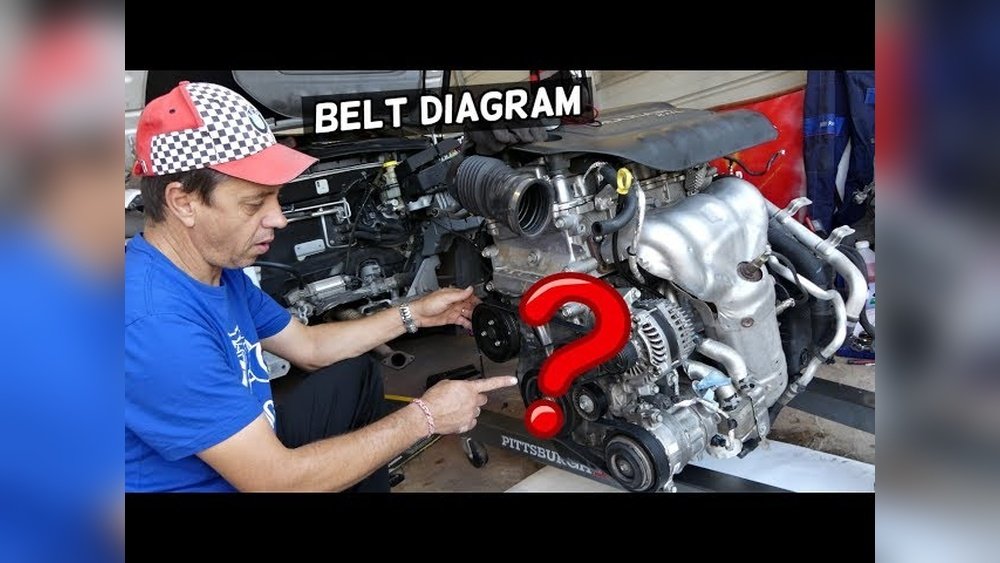
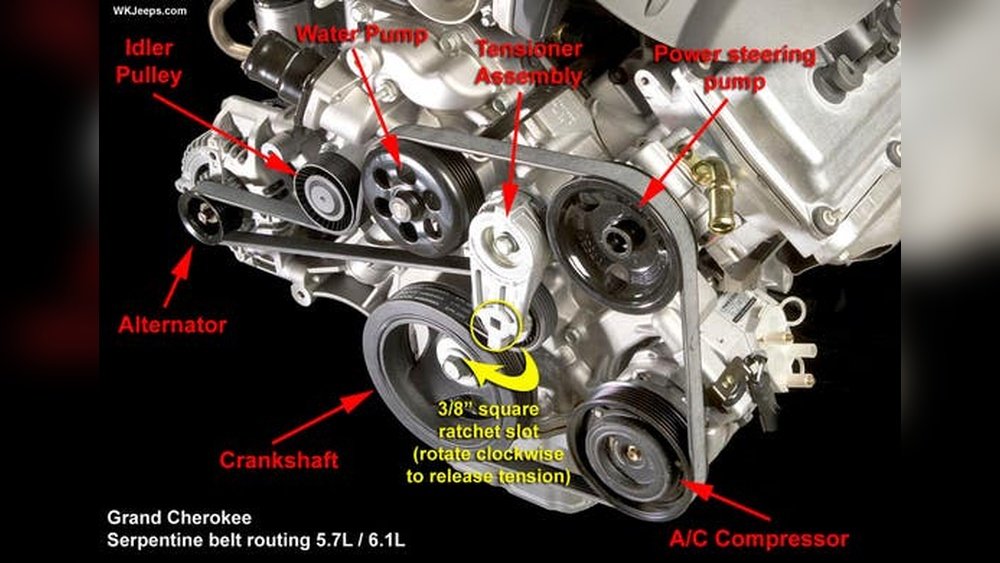
A slipping serpentine belt can cause all kinds of problems in your car. This belt controls important parts like the alternator, power steering pump, water pump, and air conditioner.
When it slips, you might hear squealing sounds, see warning lights, or even feel the engine performance drop.
If you don’t fix the issue, it can lead to bigger repairs and unsafe driving. Luckily, stopping a serpentine belt from slipping doesn’t have to be complicated.
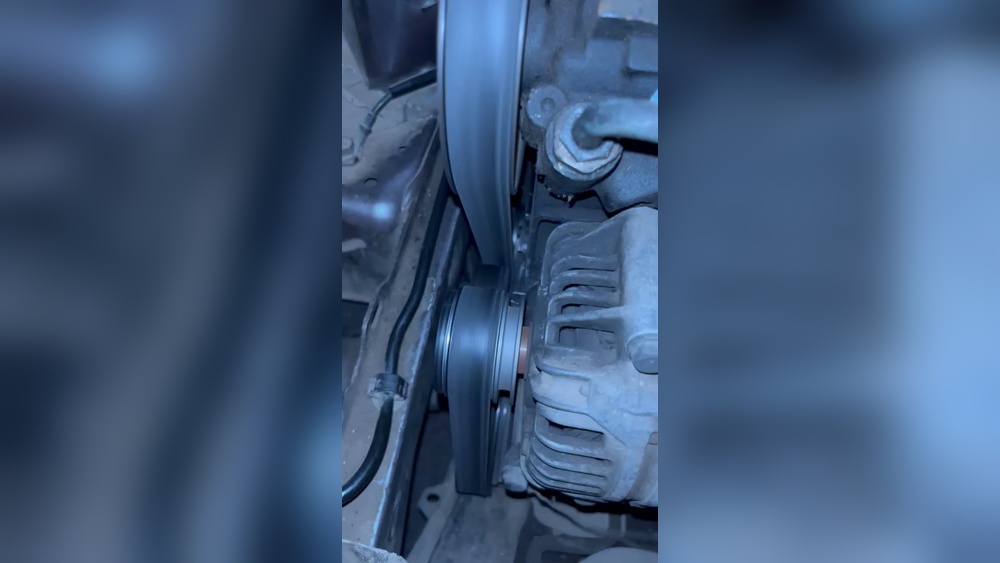
With a bit of knowledge and some careful steps, you can solve this problem and keep your car running smoothly.
What Causes Serpentine Belt Slipping?
A serpentine belt slips when it cannot grip the pulleys properly. Several factors can cause this:
- Worn belt: The rubber may become smooth and lose friction.
- Loose tensioner: The tensioner keeps the belt tight. If it’s weak or damaged, the belt loosens.
- Contaminants: Oil, coolant, or water on the belt reduce grip.
- Damaged pulleys: Bent, rusty, or misaligned pulleys can cause the belt to slip.
- Improper installation: If the belt isn’t routed correctly, it can slip.
It’s important to identify the cause before trying to fix the problem. Many beginners overlook the tensioner, but it’s often the root issue.
Inspection: Finding The Reason For Slipping
Before you fix anything, do a careful inspection:
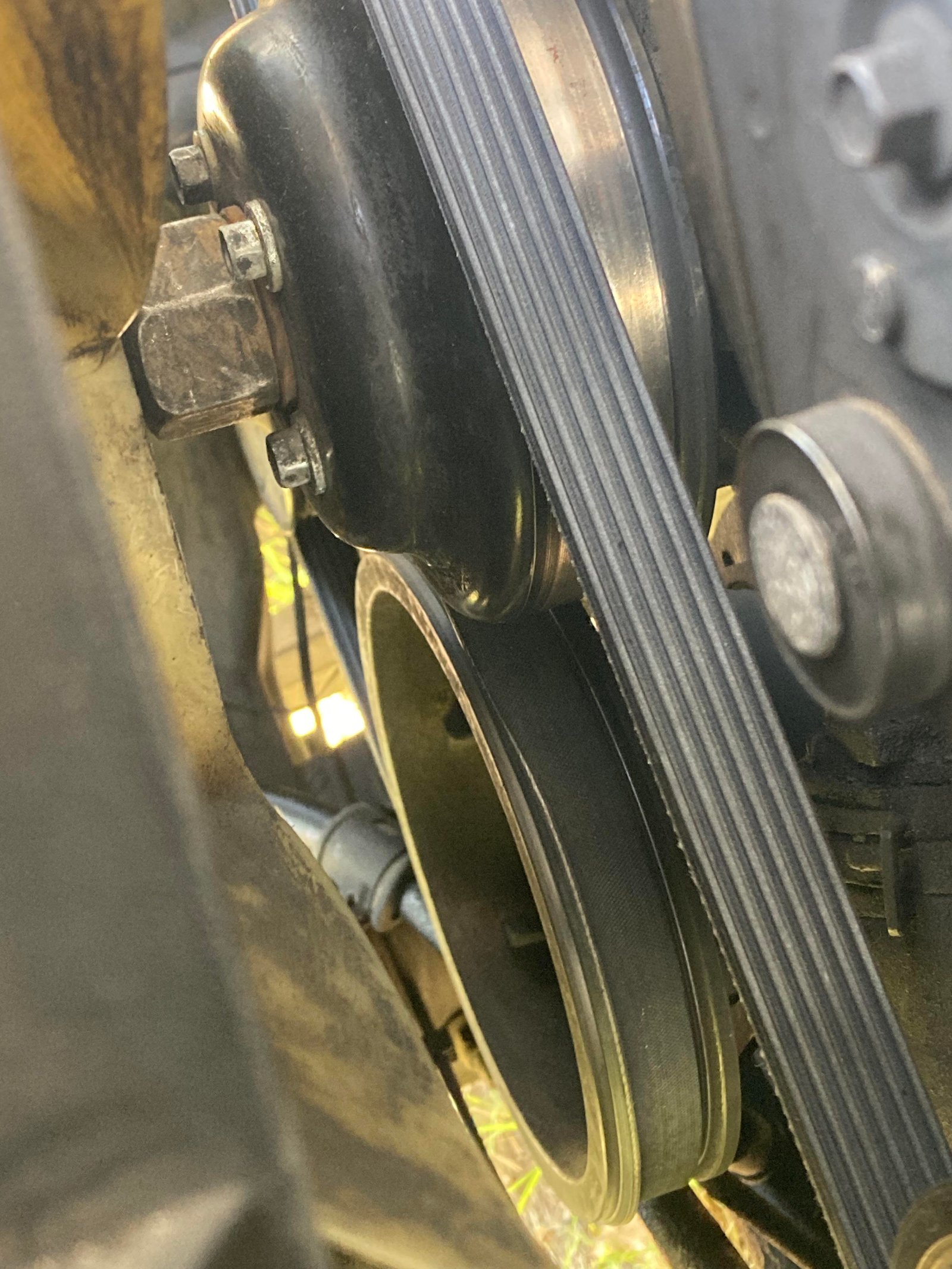
- Look for cracks, wear, or shiny spots on the belt.
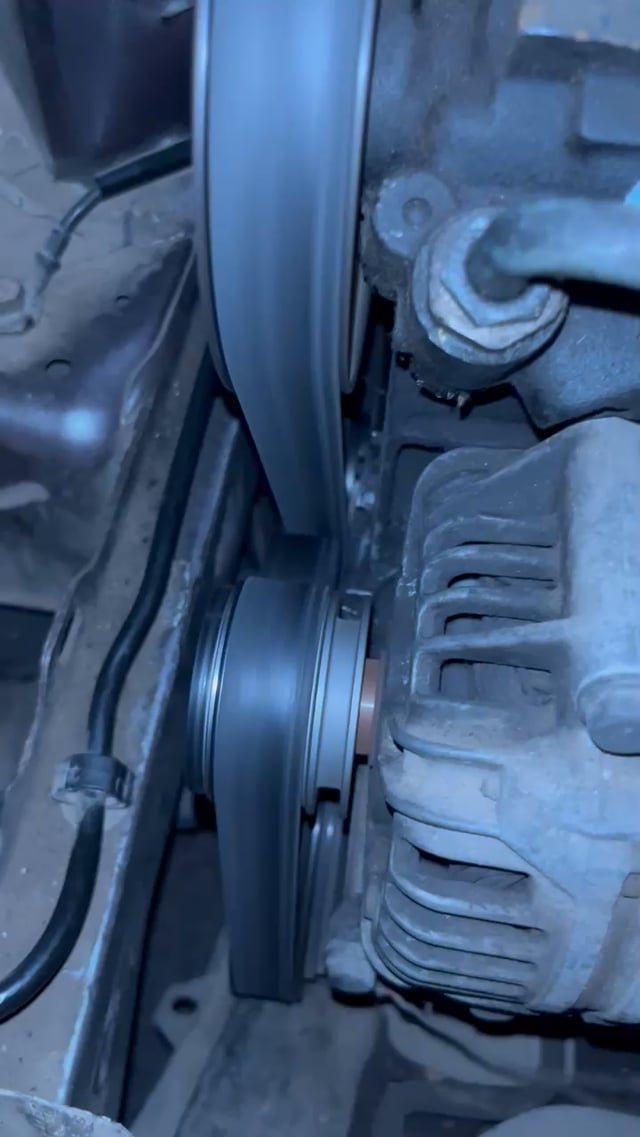
- Check pulleys for rust, wobbling, or misalignment.
- See if the tensioner moves freely and holds pressure.
- Wipe the belt and pulleys to check for oil or coolant.
A flashlight helps spot damage. If you find more than one problem, address all of them.
Sometimes, a worn belt and a weak tensioner happen together.
Common Symptoms
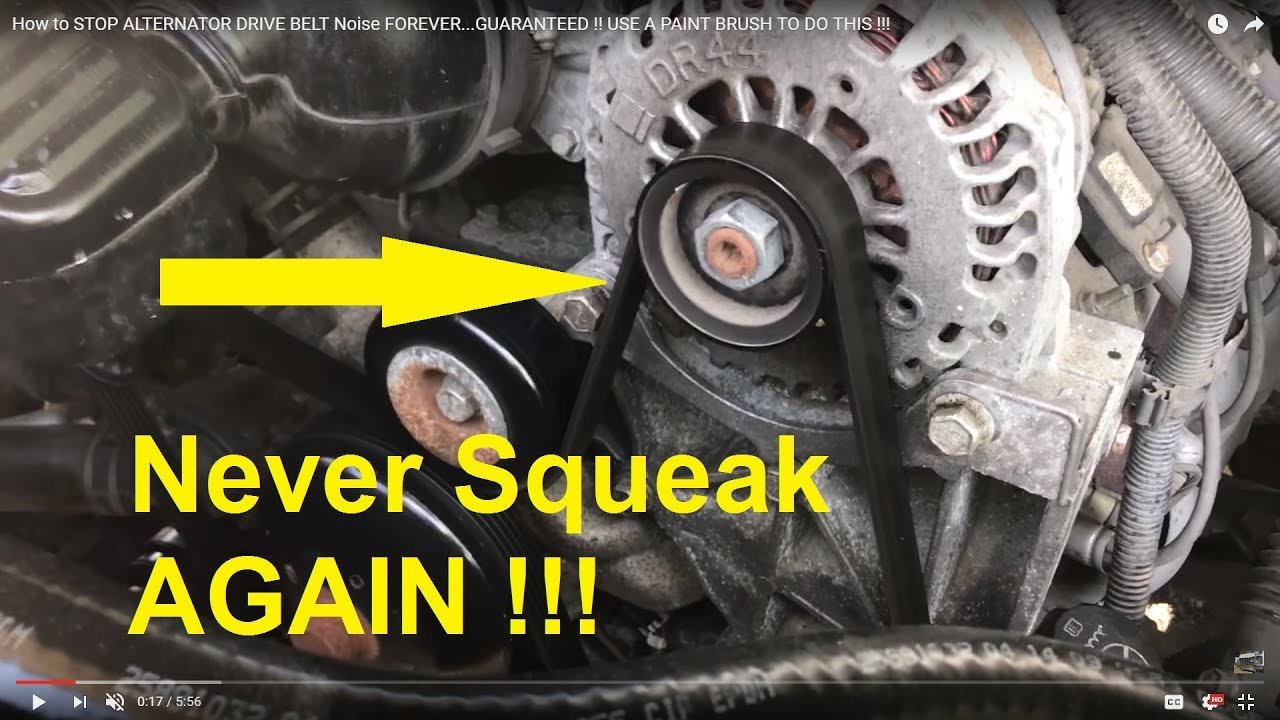
- Squealing noise: Especially at startup or when using AC.
- Power loss: Steering or electrical systems may feel weak.
- Visible belt damage: Cracks, splits, or shiny spots.
How To Stop Serpentine Belt Slipping
Let’s go step by step. Fixing a slipping belt is often straightforward if you follow these steps.
1. Replace The Belt If Worn
If your belt shows cracks, glazing, or missing ribs, it’s time to replace it. Serpentine belts usually last between 50,000–100,000 miles. Use the correct size for your vehicle—too loose or too tight will cause slipping.
2. Check And Replace The Tensioner
A weak tensioner is a hidden cause of slipping. If the tensioner spring is worn out, it won’t keep the belt tight enough. Replace the tensioner if:
- It doesn’t hold firm pressure.
- The pulley wobbles or squeaks.
- The spring feels loose.
Replacing the tensioner is simple for most cars. Always use a high-quality part.
3. Clean The Belt And Pulleys
Oil, coolant, or even water can make the belt slip. Clean everything with a degreaser and a rag.
Never use belt dressing sprays they can make the problem worse. Clean the pulleys with a wire brush if you see rust or debris.
4. Inspect And Fix Pulley Alignment
Misaligned pulleys are easy to miss. If you see uneven wear on the belt or wobbling pulleys, alignment is likely off.
Use a straightedge to check alignment. Replace bent pulleys or adjust mounting brackets.
5. Proper Installation
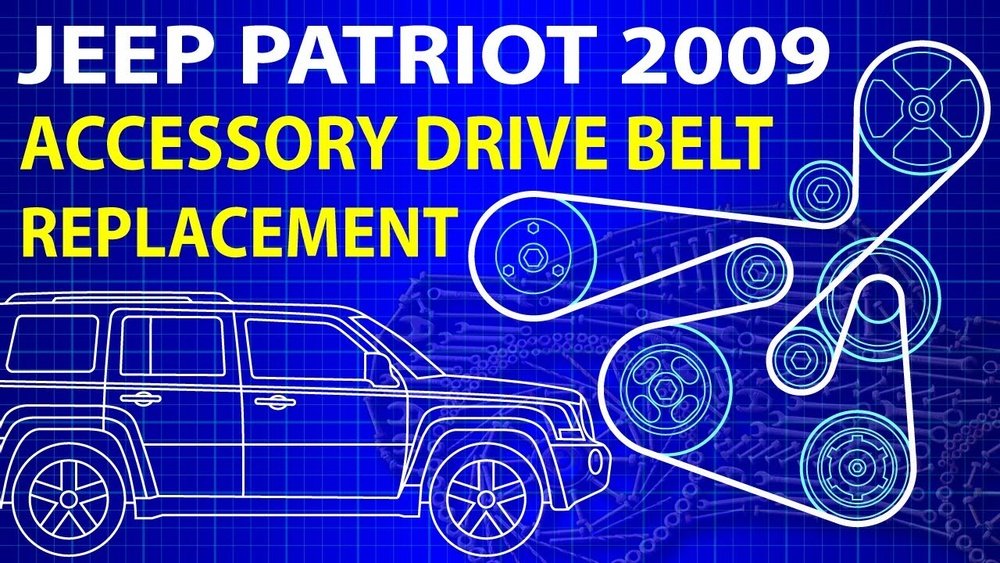
Make sure the belt is routed exactly as shown in the vehicle manual. Even one wrong pulley can cause slipping.
If you are unsure, look up a diagram or ask a mechanic.
Here is a quick comparison of the most common causes and their signs:
| Cause | Signs | Fix |
|---|---|---|
| Worn Belt | Cracks, shiny spots, squealing | Replace belt |
| Weak Tensioner | Loose belt, uneven tension | Replace tensioner |
| Contaminants | Greasy belt, sudden slipping | Clean belt/pulleys |
| Misaligned Pulley | Wobbling, uneven belt wear | Align pulleys |
How To Replace A Serpentine Belt
If you need to change the belt, follow these steps:
- Locate the tensioner. Use a wrench to release tension.
- Remove the old belt.
- Check all pulleys and tensioner for wear.
- Route the new belt as shown in your vehicle’s diagram.
- Release the tensioner so the belt tightens.
- Start the engine and check for squealing.
Changing the belt usually takes 30 60 minutes. Always double-check the routing.
Typical Belt Lifespans
Here’s a quick reference for how long belts usually last:
| Vehicle Type | Average Belt Life (miles) | Signs for Replacement |
|---|---|---|
| Compact Car | 60,000–100,000 | Cracks, noise |
| Truck/SUV | 50,000–80,000 | Loss of power |
| Older Vehicle | 40,000–60,000 | Visible wear |
Practical Tips To Prevent Belt Slipping
- Check your belt every 6 months for wear.
- Keep engine bay clean to prevent oil leaks.
- Use quality parts—cheap belts or tensioners often fail early.
- Avoid belt dressing sprays; they usually mask the problem.
Most drivers don’t realize that tensioners are the cause in nearly 40% of belt slipping cases. Also, cleaning pulleys regularly can add years to your belt’s life.
When To Get Professional Help
If you can’t stop the belt from slipping after these steps, visit a mechanic. Sometimes, hidden engine problems or damaged brackets cause slipping.
Professional shops have special tools to check alignment and tension more accurately. If you notice repeated slipping after fixing everything, the problem may be deeper.
Frequently Asked Questions
Why Does My Serpentine Belt Squeal When I Start My Car?
The squealing sound is often from a loose or worn belt. It can also be caused by a weak tensioner or contaminants like oil. Check the belt’s condition first, then inspect the tensioner.
Is It Safe To Drive With A Slipping Serpentine Belt?
No, it’s risky. The belt controls vital systems like power steering and the alternator. If it slips or breaks, you could lose control or damage the engine.
How Can I Tell If My Tensioner Is Bad?
A bad tensioner will not keep the belt tight. Look for wobbling, squeaking, or belt looseness. If the tensioner spring feels weak, it’s time to replace it.
What Happens If I Use The Wrong Size Belt?
Using a wrong-sized belt can cause slipping, noise, or even damage to pulleys. Always use the size recommended in your vehicle manual.
Can Belt Dressing Fix A Slipping Serpentine Belt?
No, belt dressing is not a real fix. It can make the belt sticky and cause more problems.
It’s better to clean the belt and pulleys or replace worn parts.
Stopping a serpentine belt from slipping is mostly about careful inspection and proper maintenance. With these steps, your car will run smoother and safer for a long time. For extra guidance, you can check resources like Wikipedia for detailed information about serpentine belt systems.