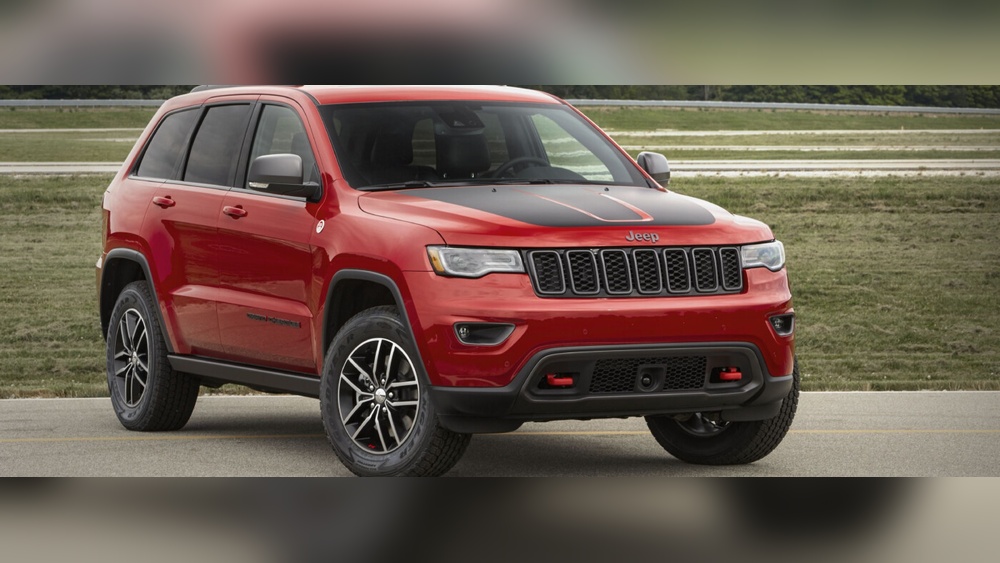
Starting a Jeep with a key might sound simple, but there are important details to know for a smooth experience.
Whether you’re new to Jeeps or just switched from a push-button start vehicle, understanding the steps and potential issues can save you time and stress.
This guide breaks down everything you need, from preparation to troubleshooting, and even covers newer models with extra security features.
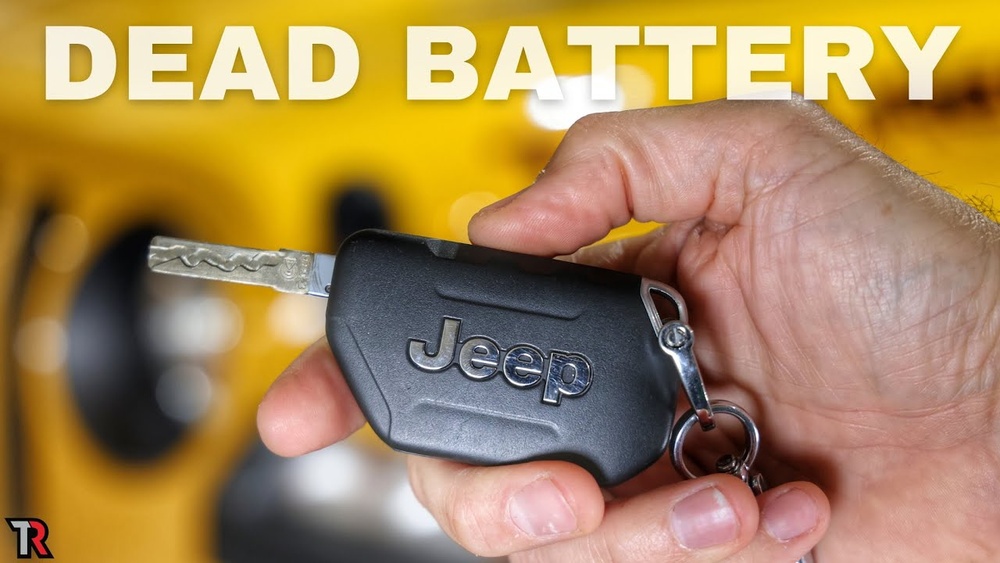
Key Types For Jeep Vehicles
Jeep vehicles use different key systems depending on the model and year. Recognizing your key type helps you follow the correct process.
| Key Type | Description | Common Models/Years |
|---|---|---|
| Traditional Metal Key | Basic key, no electronics | Older models (pre-2005) |
| Transponder Key | Chip inside for security | 2005–2015 models |
| Key Fob with Remote Start | Fob can unlock, start remotely | 2015-present, higher trims |
Non-obvious insight: Some newer Jeeps have a key fob that looks like a remote, but a hidden metal key slides out for manual starting.
Steps To Start A Jeep With A Key
Follow these steps for a safe and reliable start. The process varies slightly based on key type and model year.
1. Prepare Your Jeep
- Make sure the gear shift is in Park (automatic) or Neutral (manual).
- Check that your foot is on the brake (for automatics).
- Ensure all electronics (lights, radio) are off to prevent battery drain.
2. Insert The Key
- Insert the key into the ignition slot, usually found on the right side of the steering column.
- Push the key fully into the slot. For some models, you may need to wiggle gently if it’s stiff.
3. Turn The Key To Start
- Turn the key clockwise to the “On/Run” position. Wait for dashboard lights to appear.
- Pause for 2–3 seconds. This allows the fuel pump and electronics to activate, especially important for transponder keys.
- Continue turning the key to the “Start” position. The engine should crank and start.
- Release the key as soon as the engine starts. It will automatically return to the “Run” position.
4. Troubleshooting Common Issues
If your Jeep does not start, here’s a quick reference:
| Problem | Likely Cause | Quick Solution |
|---|---|---|
| No crank, no lights | Dead battery | Check battery, try jump start |
| Key turns, but no start | Bad transponder or key not recognized | Try spare key or reprogram |
| Engine cranks, no start | Out of fuel or fuel system problem | Check fuel level, listen for fuel pump sound |
Beginner tip: If you recently changed your Jeep’s battery, the anti-theft system may need a reset. Try locking and unlocking the doors with the key fob, then start again.
Jeep Security Features And Their Impact
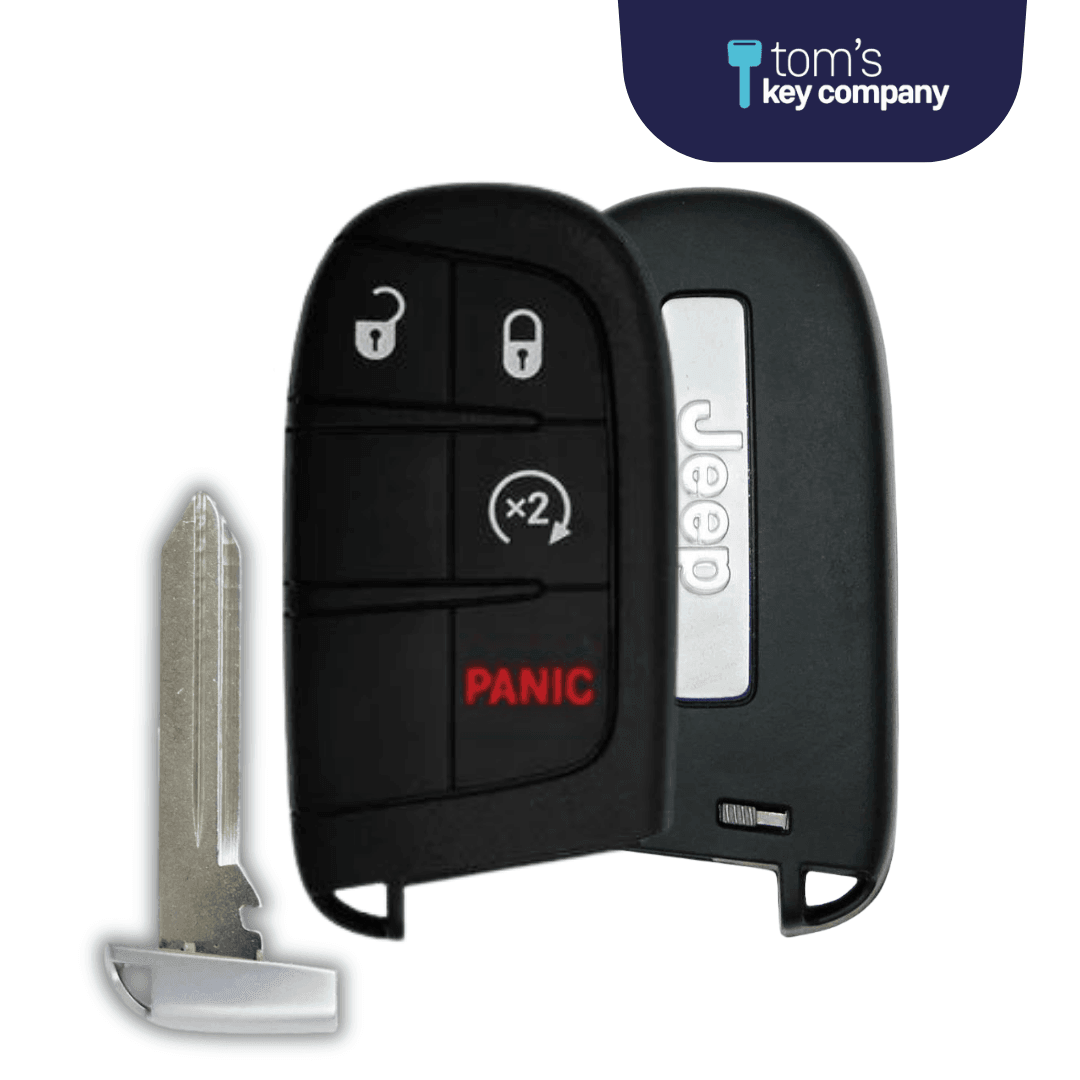
Modern Jeeps have advanced security systems. Knowing how they work prevents accidental lockouts or start failures.
- Transponder System: If the Jeep doesn’t recognize the chip in your key, it won’t start. A red security light may flash on the dashboard.
- Steering Lock: Some models lock the steering wheel if the wrong key is used. Gently wiggle the steering wheel while turning the key to release the lock.
- Immobilizer: If you try to start with the wrong key, the immobilizer will prevent engine ignition for several minutes.
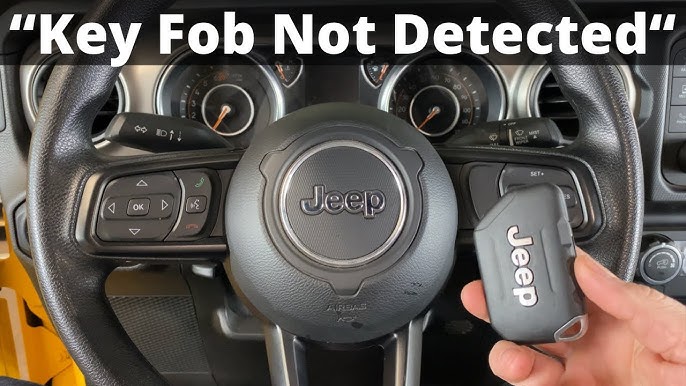
Non-obvious insight: On some 2018+ Jeep Wranglers, the battery in the key fob is critical—even for manual key starts. If the battery is dead, the car might not detect the key, so keep a spare fob battery handy.
What To Do If Your Key Fails
Lost, damaged, or unresponsive keys are frustrating. Here’s what you can do:
- Try your spare key if available.
- If the key fob is dead, use the hidden metal key to unlock the door and access the ignition.
- For transponder issues, the Jeep dealership or a certified locksmith can reprogram or replace the key.
- Avoid using worn keys—these can damage the ignition cylinder.
Tip: Not all locksmiths can handle newer Jeep keys. Check their experience with transponder systems before calling.
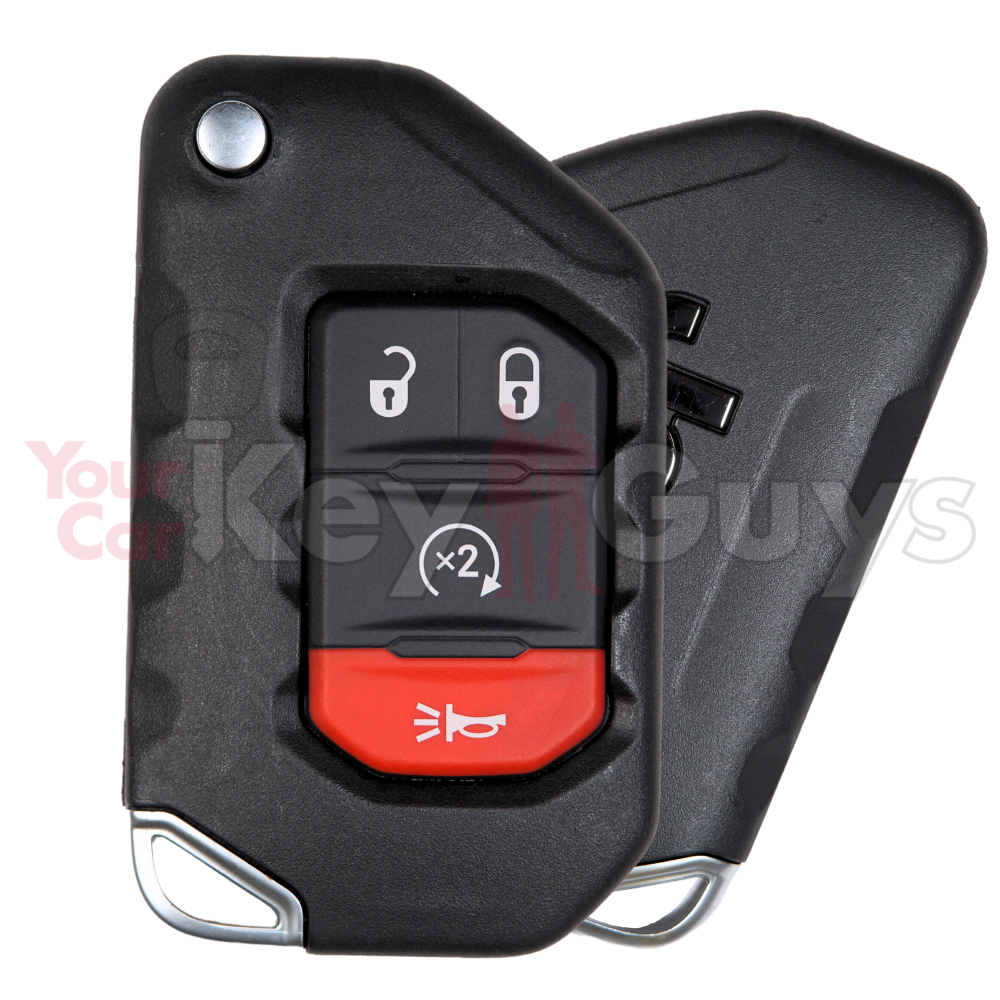
Comparing Jeep Starting Methods
Here’s a look at manual key starts versus push-button starts for Jeeps.
| Feature | Manual Key Start | Push-Button Start |
|---|---|---|
| Reliability | Very high (less electronics) | Depends on battery/fob |
| Security | Good (with transponder) | Excellent (smart systems) |
| Ease of Use | Simple, manual | Convenient, but more to go wrong |
| Cost to Replace | Lower | Higher (fob is expensive) |
Maintenance Tips For Jeep Keys
Taking care of your Jeep keys helps prevent unexpected issues:
- Keep keys dry and away from magnets or strong electronics.
- Do not attach heavy keychains—these wear out the ignition cylinder.
- Change key fob batteries every 1–2 years.
- Store your spare key in a safe, accessible place (not in the vehicle).
Final Thoughts
Starting a Jeep with a key is straightforward, but being aware of model differences, security features, and troubleshooting steps makes the process smoother. With a bit of preparation, you can avoid common pitfalls like immobilizer lockouts or worn ignition cylinders. If you ever run into persistent issues, don’t hesitate to consult your Jeep owner’s manual or visit a trusted dealer for help. For more in-depth information on Jeep technology, you can check resources like the Jeep Wikipedia page.
Frequently Asked Questions
What Should I Do If My Jeep Key Won’t Turn In The Ignition?
Try wiggling the steering wheel left and right while turning the key. If it still won’t turn, check for a worn key or debris in the ignition slot.
Can I Start My Jeep If The Key Fob Battery Is Dead?
Yes, most Jeeps with a key fob have a hidden metal key. Use it to unlock the door and start the vehicle manually.
Is It Possible To Program A New Jeep Key Myself?
Some older models allow self-programming if you have two working keys. However, most newer models require a dealer or certified locksmith.
Why Does The Red Security Light Flash When I Try To Start My Jeep?
This usually means there’s a problem with the transponder chip or the anti-theft system. Try your spare key or contact a dealer for assistance.
Does Leaving My Key In The Ignition Drain The Battery?
Leaving the key in the “On” position without starting the engine can drain the battery quickly. Always turn the ignition off when not in use.