Keeping your Jeep Liberty running smoothly starts with simple care, and checking the coolant level is one of the most important tasks. Coolant helps control engine temperature, prevents overheating, and protects your engine from rust and corrosion.
Many Jeep Liberty owners skip this step, but ignoring coolant checks can cause expensive repairs. If you’re new to car maintenance or unsure about the process, this guide will walk you through each step using clear, practical advice.
Why Coolant Matters For Your Jeep Liberty
The coolant system keeps your engine from getting too hot or too cold. Without enough coolant, your Jeep Liberty can overheat, which might lead to a blown head gasket or warped cylinder head. Overheating is a top cause of engine failure. Jeep Liberty models, especially from 2002–2012, have a known risk of radiator leaks and thermostat issues, so it’s smart to check coolant often.
How To Check Coolant Level Jeep Liberty
Checking coolant is quick and easy. You don’t need special tools, but you must follow safety steps.
Step 1: Let The Engine Cool Down
Never check coolant on a hot engine. Wait at least 30 minutes after turning off your Jeep Liberty. Hot coolant can cause burns if the pressure cap is opened too soon.
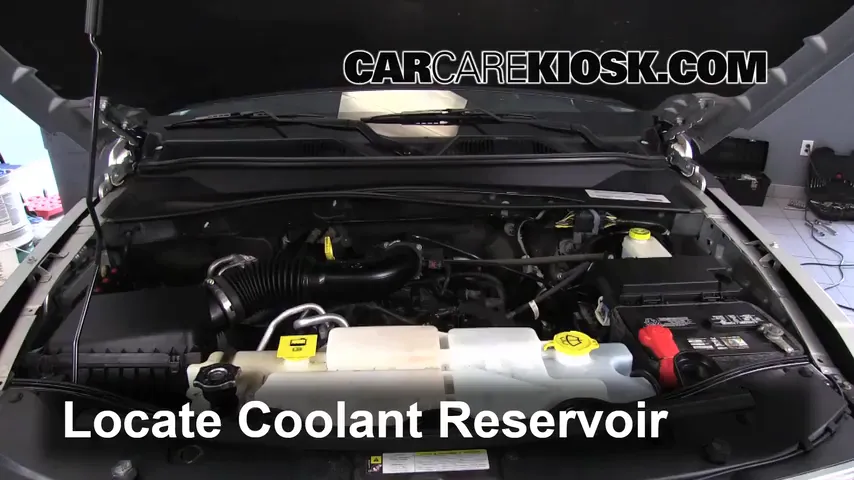
Step 2: Locate The Coolant Reservoir
Pop the hood and find the coolant reservoir—a semi-transparent plastic tank near the radiator. It’s usually labeled “engine coolant” or has a colored cap.
Step 3: Check The Fluid Level
Look at the markings on the side of the reservoir. You’ll see “FULL” (or “MAX”) and “LOW” (or “MIN”) lines.
- If the coolant is between these lines, your level is good.
- If below “MIN,” you need to add coolant.
Here’s a quick comparison of what you might see:
| Coolant Level | Action Needed |
|---|---|
| Above MAX | Remove excess coolant |
| Between MIN and MAX | No action needed |
| Below MIN | Add coolant |
Step 4: Inspect Coolant Color And Quality
Coolant should be bright green, orange, or pink (depends on your model). If it looks rusty, dirty, or has floating particles, it needs changing. Bad coolant can harm your engine even if the level is correct.
Step 5: Add Coolant If Needed
If the level is low:
- Buy the correct coolant type for your Jeep Liberty. Most models use HOAT (Hybrid Organic Acid Technology) or OAT (Organic Acid Technology) coolant. Check your manual or consult a dealer.
- Open the reservoir cap slowly. Pour coolant until it reaches the “FULL” line.
- Replace the cap tightly.
Never mix different coolant types. Mixing can reduce performance and cause clogs.
Step 6: Check For Leaks
If you often need to refill coolant, your Jeep Liberty may have a leak. Common leak spots are the radiator, hoses, and water pump.
Watch for puddles under your car or wet spots around the engine.

Common Mistakes When Checking Coolant
Many drivers make errors that could cause harm or false readings.
- Checking coolant when hot: This can cause burns and inaccurate readings.
- Using the wrong coolant: Always use the recommended type; mixing coolants can damage the system.
- Ignoring leaks: Repeatedly low coolant means a leak—don’t ignore it.
- Overfilling: Too much coolant can cause overflow and engine trouble.
- Neglecting coolant color: Bad color means poor quality; don’t just check level.
Here’s how Jeep Liberty coolant types compare:
| Coolant Type | Color | Change Interval |
|---|---|---|
| HOAT | Orange | 5 years/100,000 miles |
| OAT | Purple | 10 years/150,000 miles |
| Conventional | Green | 2 years/30,000 miles |
Signs Your Jeep Liberty Needs Coolant Service
It’s not just about the level. Watch for these warning signs:
- Temperature gauge moves into the red zone.
- Steam comes from under the hood.
- Sweet smell inside or outside the car (coolant leak).
- Heater not working—low coolant affects heating.
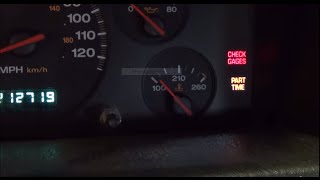
- Coolant warning light on dashboard.
If you notice any of these, check your coolant right away.
Tips For Jeep Liberty Owners
- Check coolant at least once a month, especially before long trips.
- If you drive in hot climates or heavy traffic, check more often.
- Use a funnel when adding coolant to avoid spills.
- Keep extra coolant in your trunk for emergencies.
- If you’re unsure about leaks or coolant type, ask a trusted mechanic.
Here’s how Jeep Liberty compares with other vehicles in coolant checking ease:
| Vehicle | Reservoir Visibility | Cap Accessibility |
|---|---|---|
| Jeep Liberty | High | Easy |
| Ford Escape | Medium | Moderate |
| Toyota RAV4 | High | Easy |
Frequently Asked Questions
How Often Should I Check Coolant In My Jeep Liberty?
Check coolant level at least once a month. If you drive in hot weather or stop-and-go traffic, check every two weeks.
What Type Of Coolant Does Jeep Liberty Use?
Most Jeep Liberty models need HOAT or OAT coolant. Always check your owner’s manual or ask a dealer for the right type.
Can I Mix Different Coolant Colors?
No. Mixing different coolants (like green and orange) can cause engine damage and reduce cooling effectiveness.
What Happens If My Coolant Is Low?
Low coolant can cause engine overheating, damage parts, and lead to costly repairs. Always refill as soon as you notice low levels.
How Do I Know If My Jeep Liberty Has A Coolant Leak?
Look for puddles under your car, wet spots around the engine, or a drop in coolant level even after refilling. If you suspect a leak, get it checked by a mechanic.
Taking care of your Jeep Liberty’s coolant system is simple but crucial. Regular checks help you avoid overheating, expensive repairs, and keep your SUV running strong. With these easy steps and smart tips, you’re ready to handle coolant checks like a pro. For more details on coolant systems, visit Wikipedia.