Shiny Jeep fenders can make your vehicle stand out, whether you’re off-roading or just want to turn heads on the street. But keeping fenders looking their best isn’t as simple as a quick wash.
Dust, mud, UV rays, and scratches can make even new fenders look dull.
If you want to restore a deep shine and protect your investment, a few smart steps will make all the difference. This guide will walk you through everything from cleaning to finishing touches so your Jeep fenders truly shine.

Understanding Jeep Fender Materials
Jeep fenders usually come in two main materials: metal (steel or aluminum) and plastic (ABS or polypropylene). Each type needs a slightly different approach.
- Metal fenders are strong but can rust if neglected.
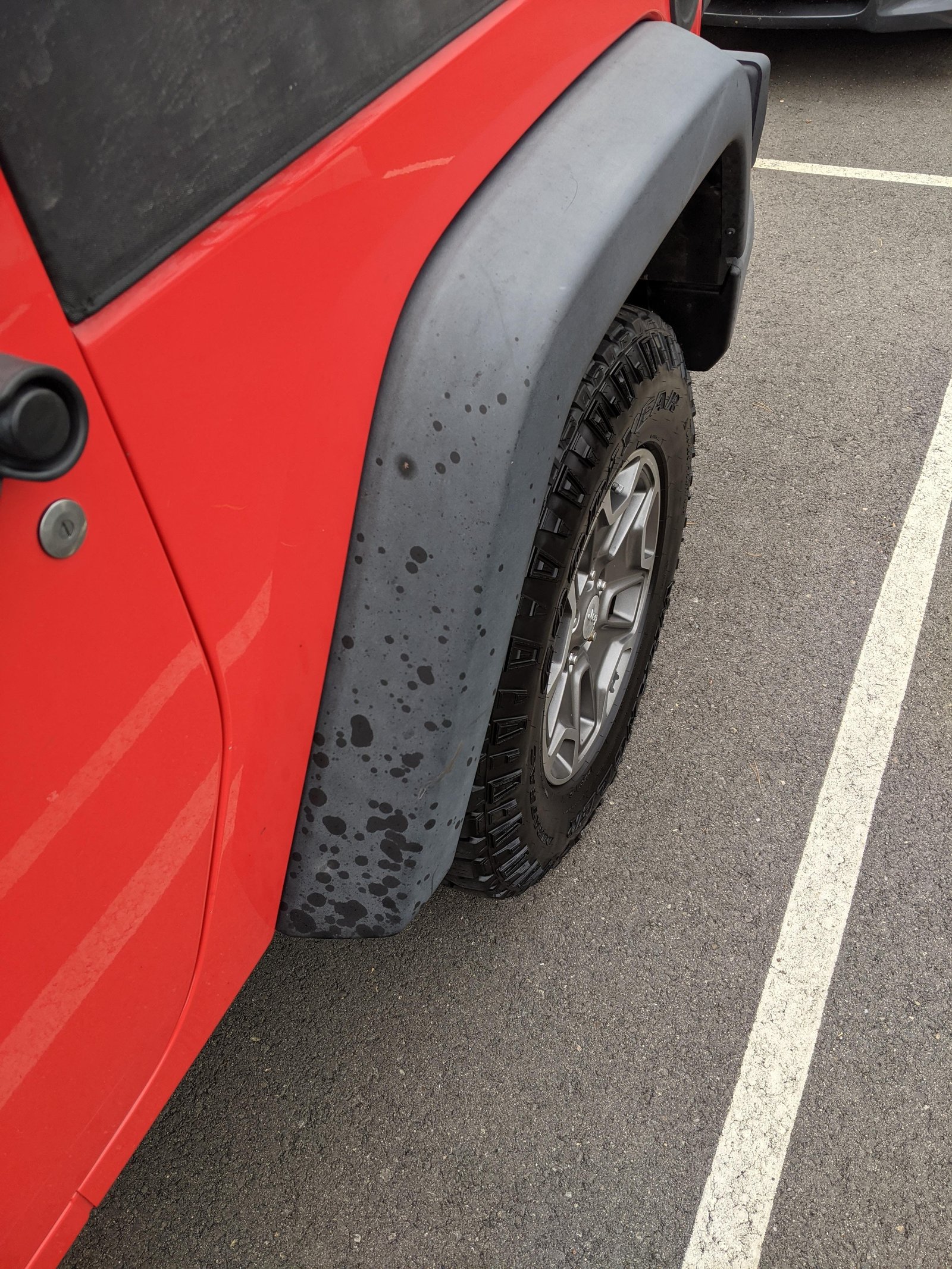
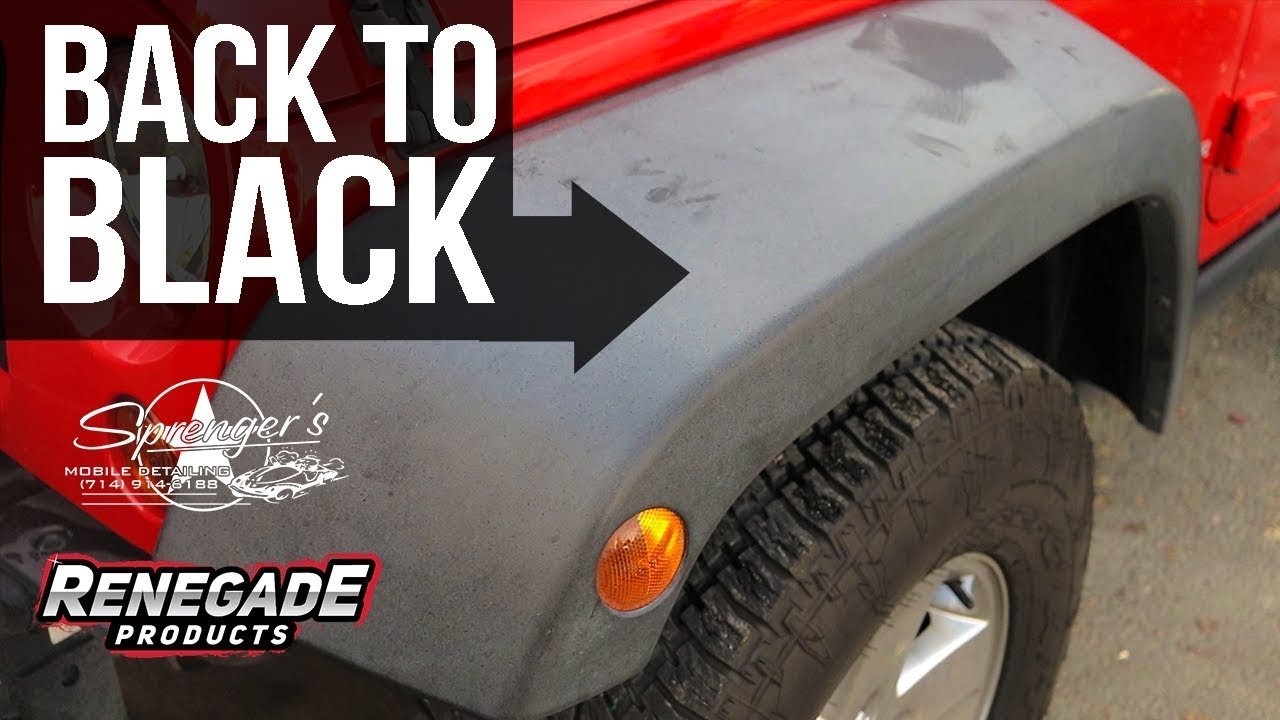
- Plastic fenders resist rust but can fade or discolor from sunlight.
Here’s a quick comparison to help you identify your fender type:
| Fender Material | Common Issues | Special Care Needed? |
|---|---|---|
| Metal | Rust, scratches | Yes (anti-rust, wax) |
| Plastic | Fading, chalkiness | Yes (restorer, UV protectant) |
Knowing your fender material helps you pick the right products and methods.
Essential Products And Tools
Before you start, gather the right tools and products. Using the wrong product can harm your fender’s finish.
- Mild car wash soap
- Soft microfiber towels
- Detailing brushes
- Plastic restorer (for plastic fenders)
- Automotive wax or sealant (for metal fenders)
- Clay bar (for deep cleaning)
- UV protectant spray
- Polishing compound (if needed)
- Masking tape (for protecting nearby paint)
Here’s a comparison of two popular product types:
| Product Type | Best For | Frequency of Use |
|---|---|---|
| Plastic Restorer | Plastic fenders | Monthly or as needed |
| Car Wax/Sealant | Metal fenders | Every 2-3 months |
Tip: Avoid using household cleaners, as they can cause fading or damage.
Step-by-step: How To Shine Jeep Fenders
Let’s break down the process so you get the best possible shine.
1. Wash Thoroughly
Start by removing dirt, mud, and debris. Use a gentle car wash soap and a soft sponge or microfiber towel. Rinse well to prevent scratches.
- Plastic fenders: Use a detailing brush for textured surfaces.
- Metal fenders: Check for tar or sap spots; remove with a clay bar if needed.
2. Dry And Inspect
Dry with a clean microfiber towel. Look for scratches, oxidation, or fading. Each problem may need a different fix.
3. Apply A Clay Bar (optional)
If your fenders feel rough, use a clay bar to lift out deep dirt. Lubricate the surface with soapy water, then glide the clay bar gently.
This step preps the surface for the best shine.
4. Restore And Polish
For Plastic Fenders
- Apply a plastic restorer with a microfiber applicator. Work in small sections.
- Let it soak as recommended, then buff with a dry towel.
- Repeat if fenders are very faded.
For Metal Fenders
- Use a polishing compound for minor scratches.
- Apply automotive wax with a foam applicator, following the product’s instructions.
- Buff to a shine with a clean, dry towel.
5. Add Uv Protection
Both metal and plastic fenders benefit from a UV protectant spray. This step prevents fading and keeps the shine longer.
6. Finishing Touches
Check for missed spots along the edges or in textured areas. Use a small brush to reach tight spots.
Remove any leftover product from nearby paint with a clean cloth.
Non-obvious insight: If you have aftermarket fenders, always test a small hidden area with any new product. Some specialty coatings can react differently on aftermarket plastics.
Common Mistakes To Avoid
Many Jeep owners make small mistakes that can ruin the shine or even damage fenders. Watch out for these:
- Using harsh cleaners: These can fade or crack plastic fenders.
- Skipping UV protection: Sun damage happens fast, especially in summer.
- Applying too much product: Thick layers of restorer or wax can leave streaks.
- Neglecting regular maintenance: A quick wipe-down every week makes deep cleaning easier.
Experience-based tip: Always wash fenders after driving in mud or salt. These materials eat away at both paint and plastic finishes.

How Long Does It Last?
The shine you achieve depends on your products and care routine. Here’s a rough estimate for each method:
| Shining Method | Expected Shine Duration | Maintenance Level |
|---|---|---|
| Plastic Restorer | 2-4 weeks | Low |
| Car Wax | 2-3 months | Moderate |
| Sealant + UV Spray | 3-6 months | High |
Regular care means less effort in the long run and keeps your Jeep looking great.
Final Thoughts
Shining Jeep fenders is more than just keeping your vehicle clean. It’s about protecting your investment and enjoying that “like new” look every time you drive. With the right tools, products, and a little effort, you can restore and maintain a deep shine—whether your fenders are plastic or metal. Don’t forget, consistent care always beats one-time fixes. For further reading about car detailing and fender care, check out this Wikipedia car wash guide.
Frequently Asked Questions
How Often Should I Shine My Jeep Fenders?
For the best results, shine your fenders every 4-6 weeks. If you drive off-road often, you may need to clean and protect them more frequently.
Can I Use Tire Shine On Plastic Fenders?
It’s not recommended. Tire shine can make plastic fenders look glossy for a short time, but it often causes streaking and may attract dust. Use a dedicated plastic restorer instead.
Will Waxing Plastic Fenders Make Them Shine?
Car wax is designed for painted metal, not plastic. It won’t harm most plastics but usually leaves a haze.
Use a plastic-specific product for a true shine.
How Do I Prevent Fender Fading From Sunlight?
Apply a UV protectant after each wash, and park in the shade when possible. Regular maintenance keeps plastics from turning gray or chalky.
Is There A Difference Between Factory And Aftermarket Fender Care?
Yes. Aftermarket fenders sometimes use different plastic blends or coatings.
Always check the manufacturer’s care instructions and test new products on a small, hidden area first.


















