If you drive a Jeep, understanding how to shift into 4H (Four-High) is essential, especially when driving on dirt, sand, snow, or muddy roads. Many Jeep owners are unsure about the right way to use their four-wheel drive system, and mistakes can lead to damage or poor performance.
This guide explains, step by step, how to shift your Jeep into 4H safely and efficiently, along with common mistakes and key tips for beginners.
What Is 4h In A Jeep?
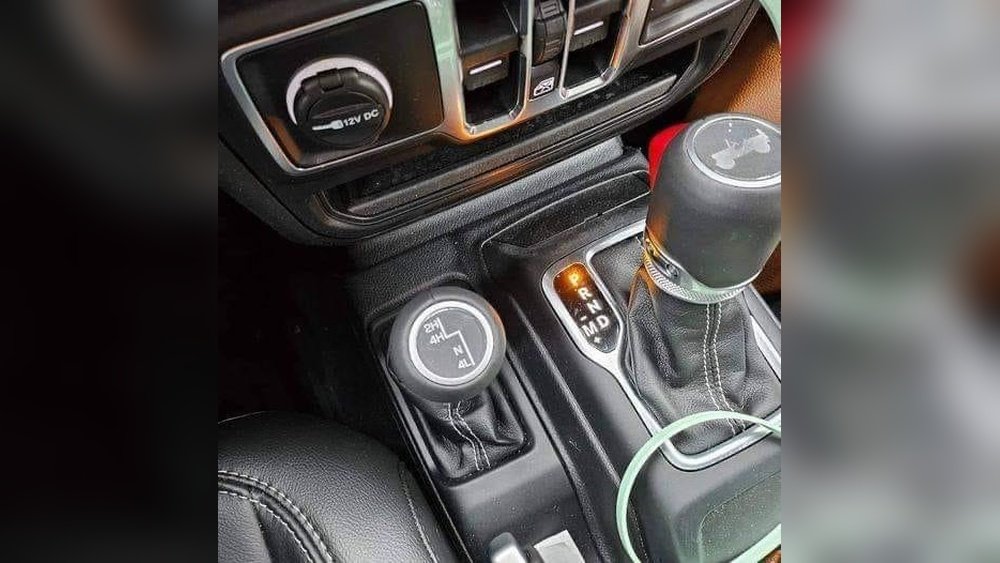
The 4H mode stands for Four-High, a setting that gives power to all four wheels. This setting is helpful for off-road situations, slippery surfaces, or when you need better traction. Unlike 4L (Four-Low), which is for slow, tough terrain, 4H allows you to drive at normal speeds with extra grip.
When To Use 4h
You should use 4H when:
- Roads are covered with snow, mud, or sand
- You are driving on gravel or loose dirt
- You need more traction but not low-speed power
Avoid using 4H on dry, paved roads. It can cause strain on your drivetrain and lead to expensive repairs.
How The Jeep 4wd System Works
Jeep 4WD systems can be part-time or full-time. Most Wranglers, Cherokees, and Gladiators use a part-time system, which means you switch between 2WD and 4WD. Full-time systems, found in some Grand Cherokees, let you drive in 4WD all the time.
Here’s a simple comparison:
| System Type | When to Use 4H | Can Use 4H on Pavement? |
|---|---|---|
| Part-Time 4WD | Slippery/off-road only | No |
| Full-Time 4WD | Anytime | Yes |
Knowing your Jeep’s system type is important before shifting.
Steps To Shift Into 4h
Shifting into 4H is simple, but doing it wrong can cause gear grinding or system damage. Here is how to do it properly for most Jeep models with a mechanical lever (not electronic):
1. Check Your Speed
Make sure you are driving under 45 mph (about 72 km/h). Most Jeeps allow shifting to 4H while moving at low to moderate speeds.
2. Keep The Transmission In Neutral Or Drive
For automatic Jeeps, you can shift into 4H while in Drive (D). For manuals, stay in a forward gear.
3. Firm, Steady Motion
Grab the 4WD lever, press it gently but firmly, and shift from 2H to 4H. Do not force the lever.
You may hear a small click or feel a change.
4. Check The Indicator Light
A 4WD indicator light should appear on your dashboard. This confirms the system is engaged.
5. Drive Forward
After shifting, drive slowly for a few feet to ensure engagement.
For electronic 4WD systems, use the switch instead of a lever. Always read your owner’s manual for your specific Jeep model.
Common Mistakes To Avoid
Many new Jeep owners make errors when using 4H. Here are mistakes to watch out for:
- Shifting on Dry Pavement: Never use 4H on dry, hard roads. It can cause “driveline binding” and wear out parts quickly.
- Forcing the Lever: If the lever feels stuck, don’t force it. Try rolling the Jeep slowly or shifting to Neutral.
- Ignoring Warning Lights: If warning lights stay on after shifting, stop and recheck the steps.
- Not Knowing System Type: Using 4H like full-time 4WD in a part-time system can cause damage.

When To Shift Back To 2h
After you leave slippery or off-road conditions, shift back to 2H (Two-High). This saves gas, reduces tire wear, and prevents drivetrain strain. To shift back, slow down, and move the lever or switch from 4H to 2H while driving straight at low speed.
| Condition | Correct Mode | Why |
|---|---|---|
| Dry Pavement | 2H | Prevents drivetrain damage |
| Snow/Mud | 4H | Improved traction |
| Deep Sand/Rocks | 4L | Maximum power at low speed |
Key Tips For Safe 4h Shifting
- Plan Ahead: Shift into 4H before you get stuck, not after.
- Practice in a Safe Area: Try shifting in a quiet parking lot to get comfortable.
- Don’t Overuse: Only use 4H when needed to prevent wear.
- Listen for Noises: Grinding or clunks mean something is wrong—stop and check.
- Check Your Manual: Each Jeep model is a bit different.

Real-world Example
Imagine you are driving your Jeep Wrangler up a snow-covered mountain road. As the pavement turns to packed snow, slow down to under 40 mph. Move the 4WD lever from 2H to 4H. The dashboard light comes on. You now have better control and grip, reducing the risk of sliding. Once you return to clear pavement, shift back to 2H to avoid damaging the 4WD system.
Comparing 4h And 4l
Both 4H and 4L provide power to all wheels, but they are for different situations. Here’s a quick comparison:
| Setting | Best For | Speed Range | Common Use |
|---|---|---|---|
| 4H | Loose or slippery roads | Up to 55 mph | Snow, mud, sand |
| 4L | Rough, steep terrain | Up to 25 mph | Rock crawling, deep mud |
Most Jeep drivers use 4H far more often than 4L.

Frequently Asked Questions
Can I Shift Into 4h While Driving?
Yes, most modern Jeeps allow you to shift into 4H while moving at speeds below 45 mph. Always check your owner’s manual for your exact model.
Is It Bad To Use 4h On Dry Pavement?
Yes, using 4H on dry roads can damage your Jeep’s drivetrain. Use it only on slippery or loose surfaces.
How Do I Know If 4h Is Engaged?
Look for the 4WD indicator light on your dashboard. You may also feel the Jeep handle differently, with more traction.
What’s The Difference Between 2h, 4h, And 4l?
- 2H is for normal roads, powering two wheels.
- 4H is for slippery roads, powering all wheels at normal speeds.
- 4L is for tough terrain, giving more power at low speeds.
Where Can I Learn More About Jeep 4wd Systems?
For deeper information, visit the official Jeep 4×4 guide.
Shifting to 4H in your Jeep is a useful skill for safe driving in tough conditions. With practice, you’ll shift smoothly and protect your vehicle from damage.
Always use 4H wisely, follow your manual, and enjoy your adventures with confidence.