Setting the timing on a Jeep 40 engine can make a big difference in how your vehicle runs. Good timing means the engine starts easily, uses fuel efficiently, and produces more power.
If you get it wrong, the Jeep may run rough, knock, or even stall. Many Jeep owners try to set timing themselves, but the process can feel complex—especially for beginners.
This guide walks you through each of the 40 essential steps, so you can set timing on a Jeep 40 with confidence.

Tools And Preparation
Before you begin, gather these basic tools:
- Timing light
- Socket set
- Wrench
- Screwdriver
- Distributor wrench
- Chalk or marker
- Repair manual for your specific Jeep
Double-check that the Jeep is parked on a flat surface and the engine is cool.
Steps To Set Timing On A Jeep 40
- Disconnect the battery to avoid accidental sparks.
- Remove the distributor cap using the screwdriver.
- Inspect cap and rotor for wear or corrosion.
- Mark the number one spark plug wire on the distributor cap.
- Remove number one spark plug with a socket wrench.
- Place your finger over the plug hole and rotate the crankshaft.
- Feel for compression—air will push your finger out.
- Align the timing mark on the crank pulley to zero with a wrench.
- Insert the spark plug back and tighten it.
- Attach the spark plug wire to the plug.
- Check the distributor rotor—it should point to the number one cylinder.
- Loosen the distributor clamp with a distributor wrench.
- Connect the timing light to the number one spark plug wire.
- Reconnect the battery to power the ignition.
- Start the engine and let it reach normal temperature.
- Aim the timing light at the timing mark on the crank pulley.
- Read the timing degree shown by the timing light.
- Compare the reading to the Jeep’s specifications.
- Turn the distributor slowly to adjust the timing.
- Tighten the distributor clamp once the timing is correct.
- Recheck timing to ensure it hasn’t changed.
- Shut off the engine to make further adjustments if needed.
- Double-check all connections for loose wires or hoses.
- Restart the engine for a final test.
- Listen for engine knock or pinging noises.
- Test drive the Jeep to check acceleration and idle.
- Monitor the temperature for overheating issues.
- Inspect for vacuum leaks that might affect timing.
- Check the idle speed and adjust if necessary.
- Readjust the timing if performance issues continue.
- Look for emission problems after setting timing.
- Check fuel mileage for improvement.
- Inspect the distributor cap and rotor again after testing.
- Replace worn parts if the timing still drifts.
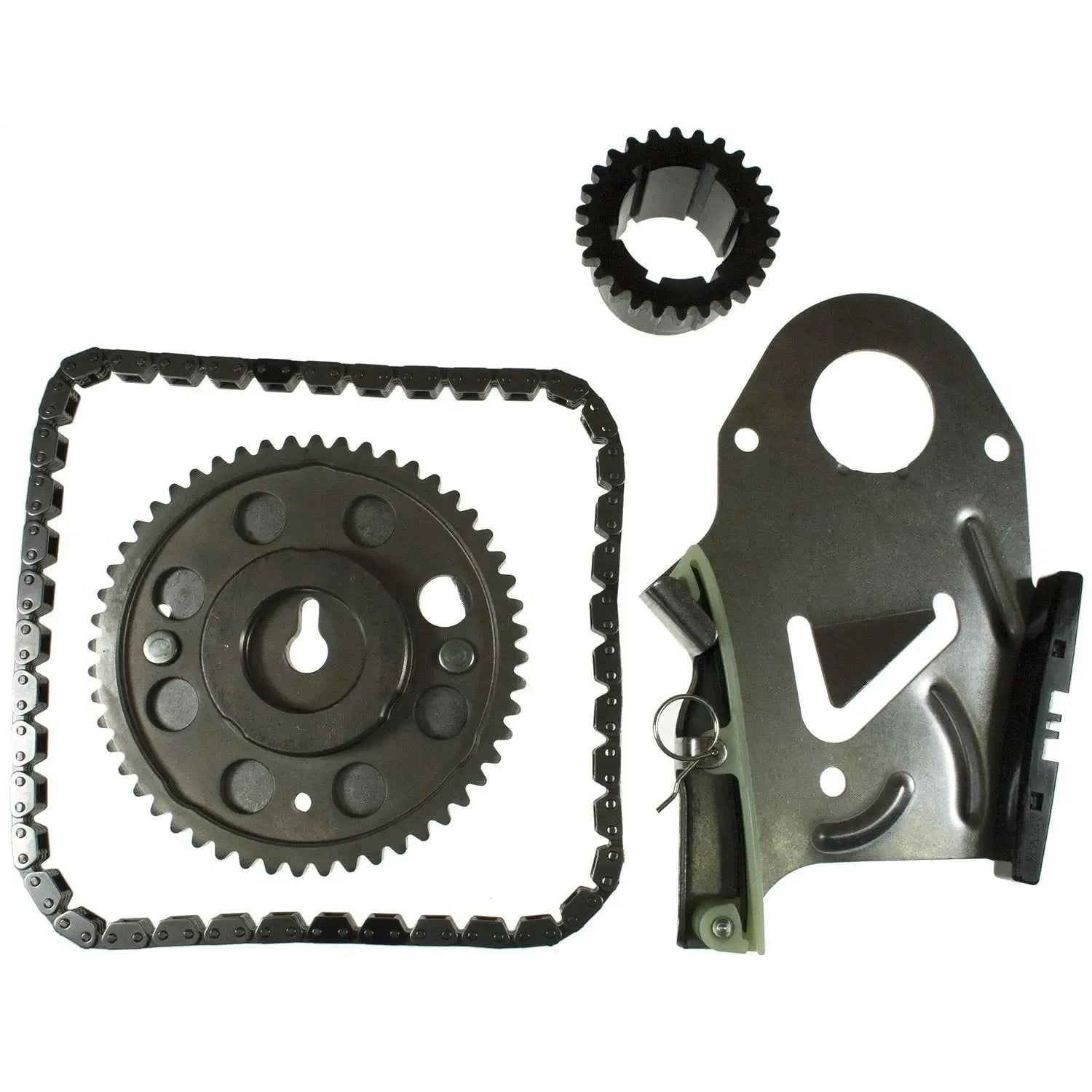
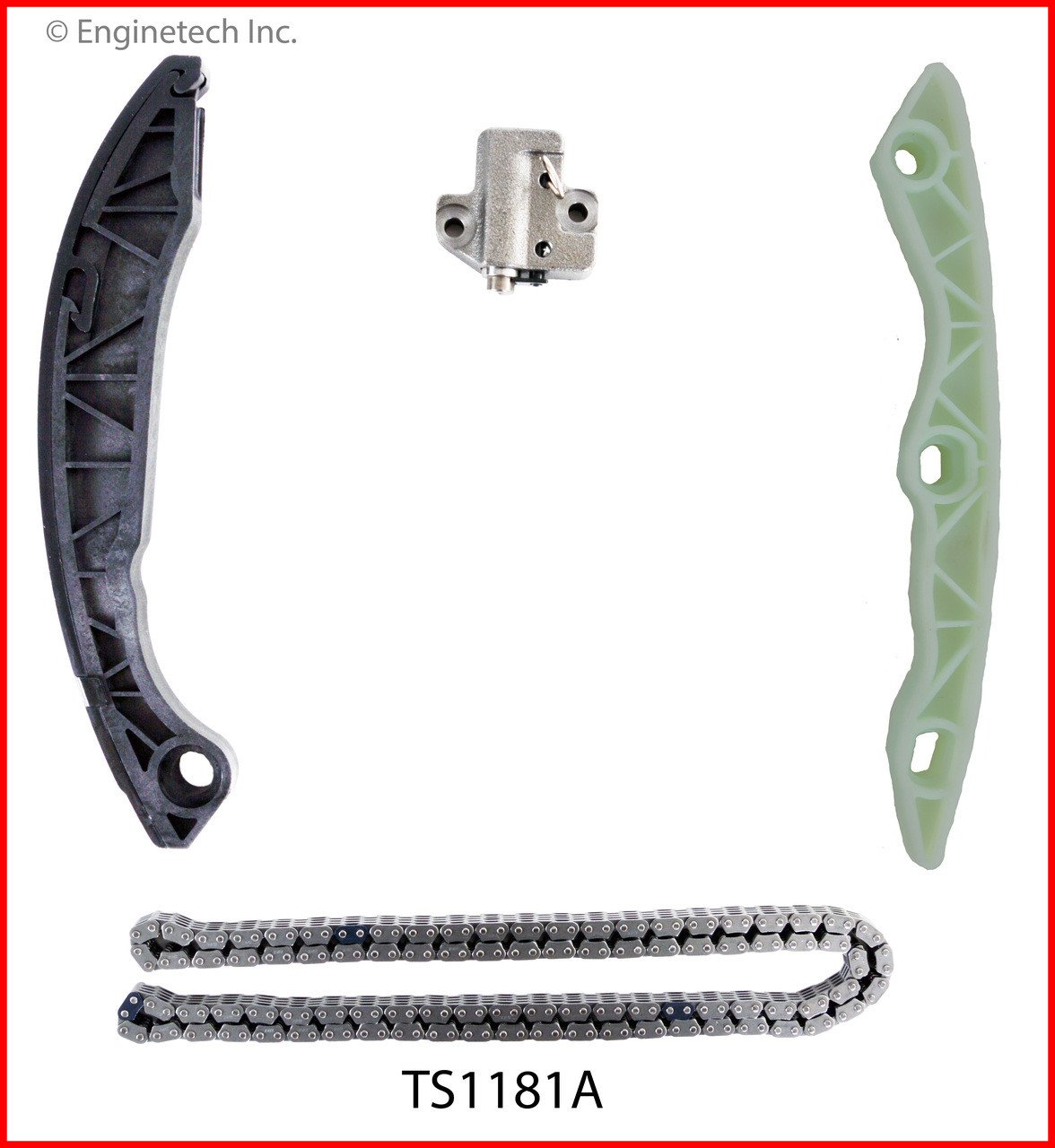
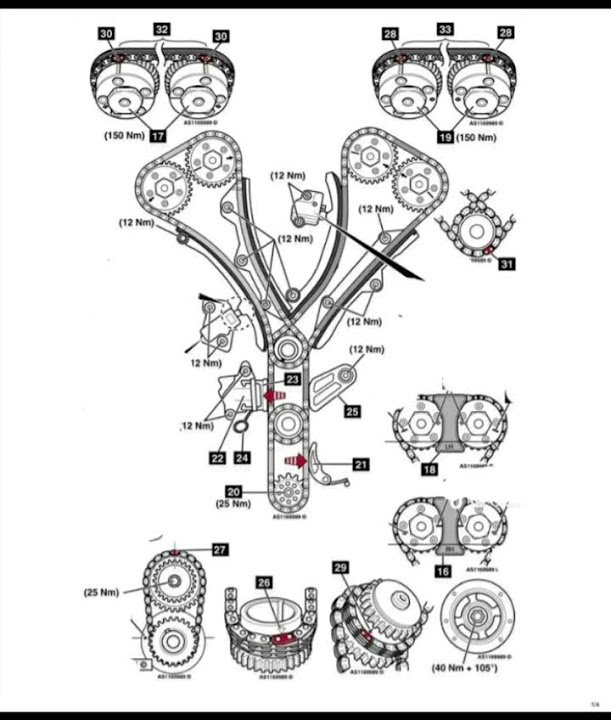
- Examine the timing chain or belt for slack.
- Tighten or replace the chain/belt as needed.
- Verify all marks are visible for future checks.
- Clean the timing marks for easy reading next time.
- Record the final timing setting in your maintenance log.
- Recheck timing every 10,000 miles to keep the Jeep running well.
Common Mistakes And How To Avoid Them
Many owners forget to mark the number one plug wire, making reassembly confusing. Others skip checking for vacuum leaks, which can cause timing to drift.
Always make small adjustments to the distributor big turns can make the engine run poorly or not start at all.
Example: Timing Adjustment Before And After
Here’s a simple comparison of common symptoms before and after timing is correctly set.
| Before Timing | After Timing |
|---|---|
| Hard to start | Starts quickly |
| Engine knocks | Smooth running |
| Poor fuel economy | Better mileage |
| Stalling at idle | Stable idle |
When To Seek Professional Help
If you follow all 40 steps and still have problems, it may be time to consult a mechanic. Problems with the timing chain, ignition module, or ECU may need special tools and knowledge. Also, if you hear knocking or pinging even after adjustment, stop and ask for help.
Practical Tips For Accurate Timing
- Use white chalk to highlight timing marks for better visibility.
- Always check timing at normal operating temperature.
- Replace the timing light bulb if it appears dim.
- If unsure, reference the Jeep’s service manual for the exact timing specification.
- Try to set timing in a well-lit, safe area.
Example: Timing Setting Comparison For Jeep 40 Models
Timing specifications may differ slightly by year. Here’s a quick reference:
| Model Year | Timing Degrees (BTDC) |
|---|---|
| 1991 | 10° |
| 1995 | 12° |
| 2000 | 10° |
Always check the sticker under the hood or your owner’s manual for the correct specification.
Routine Maintenance
After setting the timing, remember to keep up with regular checks. Bad timing can return if the distributor loosens or ignition parts wear out. Inspect your spark plugs, wires, and distributor every oil change.
For more detailed Jeep engine timing information, you can visit the Wikipedia: Ignition Timing page.
Frequently Asked Questions
How Often Should I Check Timing On My Jeep 40?
Check the timing every 10,000 miles or with every tune-up. If you notice rough running, check it sooner.
What Happens If My Timing Is Too Advanced Or Retarded?
Advanced timing can cause knocking, while retarded timing leads to poor power and fuel economy. Both can damage your engine over time.
Do I Need Special Tools To Set The Timing?
A timing light and basic hand tools are enough for most Jeep 40 engines. Some newer models may require a scan tool.
What Are Signs My Timing Is Off?
Common signs include hard starting, poor fuel economy, engine knock, and a rough idle.
Can I Set Timing Without A Timing Light?
You can set timing by ear, but it’s less accurate. For best results, always use a timing light.
Correctly setting timing on a Jeep 40 is one of the best ways to keep your engine healthy and powerful. Following all 40 steps makes the process clear and helps avoid common mistakes. With careful work, you’ll notice a smoother ride, better mileage, and longer engine life.