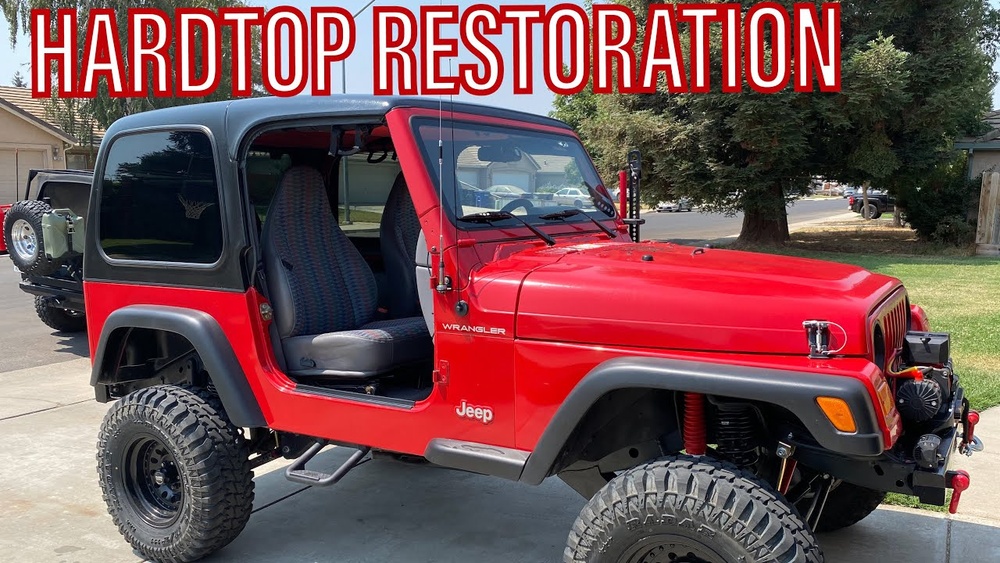
Restoring a Jeep hardtop is a rewarding project that brings back the classic look and durability of your vehicle. Over time, weather, UV rays, and regular use can cause fading, scratches, cracks, and leaks. Many Jeep owners think only professionals can do this job, but with the right tools and knowledge, you can restore your hardtop at home. Here’s a practical guide to help you revive your Jeep hardtop, save money, and enjoy the satisfaction of doing it yourself.
Assessing The Condition
Before starting, examine your hardtop thoroughly. Look for:
- Faded paint or chalky texture
- Scratches or deep gouges
- Cracks or holes
- Worn or missing seals
- Rust on hardware
Take notes and pictures. These will help you plan and buy the right materials. Many beginners forget to inspect the inside surfaces and hardware, leading to incomplete restoration.
Gathering Tools And Materials
You’ll need several basic supplies. Having everything ready saves time and avoids frustration.
- Mild soap and water
- Plastic restorer or automotive paint
- Sandpaper (various grits: 220, 400, 800)
- Epoxy or fiberglass repair kit (for cracks)
- Automotive masking tape and plastic sheets
- Weatherstrip adhesive and new seals
- Microfiber cloths and brushes
- Spray gun or foam rollers
- Protective gloves and goggles
If you plan to repaint, always use paint designed for automotive plastics. Some regular paints won’t bond well and may peel.
Cleaning And Prepping The Surface
A clean surface is key for a lasting finish. Follow these steps:
- Wash thoroughly using mild soap and water. Rinse and dry completely.
- Remove old wax, grease, or silicone with a degreaser.
- Sand the surface with 220-grit sandpaper to remove oxidation and smooth rough areas. For deep scratches, use 400-grit.
- Wipe down with a microfiber cloth to remove dust.
Some owners skip sanding, but this step ensures new coatings stick well.
Repairing Cracks And Damage
Most Jeep hardtops are made of fiberglass or reinforced plastic. Fixing cracks early prevents bigger problems.
- Drill a small hole at each end of the crack to stop it from spreading.
- Use a fiberglass repair kit or 2-part epoxy. Mix and apply as directed.
- Sand smooth after curing.
- For large holes, use a fiberglass patch on the inside and outside.
Here’s a quick comparison of repair options:
| Repair Method | Best For | Durability |
|---|---|---|
| Epoxy | Small cracks | High |
| Fiberglass Patch | Large holes | Very High |
| Plastic Filler | Minor scratches | Medium |
Choose the method that matches your damage.

Painting And Restoring Color
Fading is common on Jeep hardtops. You can restore color with a plastic restorer or repaint for a new look.
Using Plastic Restorer
This is quick and easy. Apply the product with a foam applicator, let it soak in, then wipe off excess. Results last several months.
Repainting
For a long-lasting finish, repainting is best.
- Mask off glass and rubber seals with tape and plastic sheets.
- Apply plastic primer if using spray paint.
- Spray several thin coats of automotive paint, allowing each coat to dry.
- Finish with a clear coat for UV protection.
Here’s a look at paint options:
| Paint Type | Application | Finish | Longevity |
|---|---|---|---|
| Plastic Restorer | Wipe-on | Satin | 6-12 months |
| Spray Paint | Spray gun/can | Gloss/Matte | 2-5 years |
| Bedliner Coating | Roll-on/Spray | Textured | 5+ years |
For most Jeep owners, bedliner coatings offer extra protection and a rugged look.
Replacing Seals And Hardware
Old seals can cause leaks and wind noise. Replace any cracked or flattened seals.
- Remove old weatherstripping and clean the groove.
- Apply new adhesive and carefully press in new seals.
- Replace any rusty screws or bolts with stainless steel.
Many skip hardware replacement, but new bolts can prevent future rust and improve looks.

Reinstalling The Hardtop
After restoration, make sure everything fits well.
- Test the seals by spraying water and checking for leaks.
- Tighten all bolts evenly. Over-tightening can crack the hardtop.
- Check rear window operation and latch alignment.
If you find small leaks, a thin bead of automotive sealant can help.
Long-term Maintenance Tips
To keep your hardtop looking fresh:
- Wash regularly with gentle soap.
- Apply UV protectant every few months.
- Check seals each season.
- Store indoors when possible to reduce sun damage.
Most owners only focus on cleaning, but UV protection is just as important for color and plastic health.
For more technical details on Jeep hardtop restoration, you can visit the official Jeep Accessories page.
Frequently Asked Questions
How Long Does It Take To Restore A Jeep Hardtop?
Most DIY restorations take one to two days. Repairs and paint need drying time, so plan for at least a weekend.
Can I Restore A Jeep Hardtop Without Removing It?
You can, but results are better if you remove the hardtop. This allows easier access to edges and a cleaner finish.
What’s The Best Paint For Jeep Hardtops?
Automotive-grade plastic paints or bedliner coatings work best. They bond well and resist fading.
How Do I Stop Future Fading?
Regularly apply a UV protectant and avoid parking in direct sunlight for long periods. This preserves the color and finish.
Are Professional Restorations Better?
Professionals have experience and equipment, but a careful DIY job can look just as good. The key is preparation and patience.
Restoring your Jeep hardtop is a valuable project that improves both appearance and value. With careful steps and regular maintenance, your hardtop can look great for years.