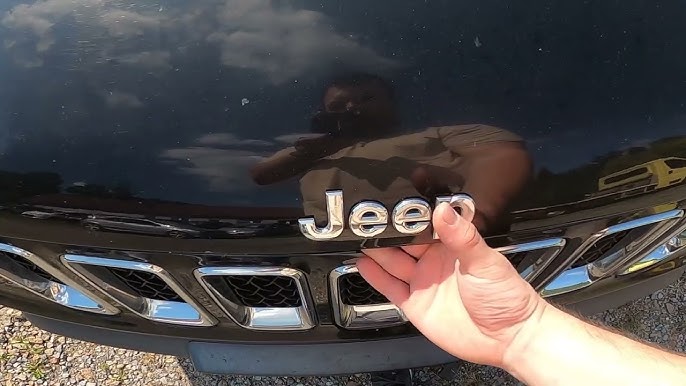
Opening the hood of your Jeep Compass might seem simple, but many owners—especially those new to the vehicle—find themselves struggling the first time.
Whether you need to check the engine, top up fluids, or inspect for issues, knowing how to open the hood correctly is important for safety and maintenance.
This guide explains each step clearly, highlights common mistakes, and shares practical advice that even experienced drivers sometimes overlook.
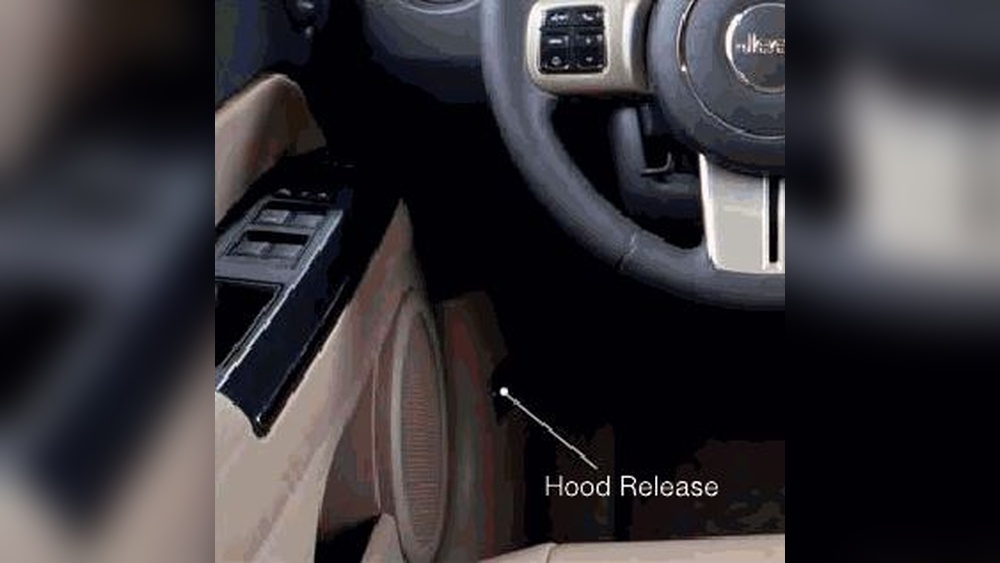
Locating The Hood Release
The hood release lever is hidden in most cars, and the Jeep Compass is no exception. You’ll find it on the driver’s side, underneath the dashboard, just above the footrest. The lever is usually black and has a small icon of a car with an open hood.
- Sit in the driver’s seat and look to the left, below the steering wheel.
- Feel for the lever with your hand; it might be tucked slightly behind other controls.
- Pull the lever firmly. You should hear a slight “pop” from the front of the car.
Some newer models have a more visible lever, but older models can be harder to spot. If you are unsure, check your owner’s manual for a diagram.
Opening The Hood Safely
After pulling the release lever, the hood will be unlatched but not fully open. You must now operate the secondary safety catch, located under the front edge of the hood.
- Move to the front of your Jeep Compass.
- Place your fingers under the center of the hood, just above the grille.
- Feel for a small lever or button—this is the safety catch.
- Push or slide it to the side, then lift the hood upward.
Most Jeep Compass models require you to move the catch left or right. If the hood doesn’t lift easily, do not force it.
Double-check that the inside lever was pulled fully.
Common Mistakes
- Pulling only the inside lever and forgetting the safety catch.
- Using too much force, which can bend the hood or damage the latch.
- Not checking for obstacles or low-hanging branches before lifting.
Supporting The Hood
Once the hood is open, you need to secure it. Jeep Compass models use either a manual prop rod or hydraulic struts. The method depends on the year and trim.
| Model Year | Support Type | Action Required |
|---|---|---|
| 2017-2021 | Prop Rod | Lift rod and insert into slot |
| 2022+ | Hydraulic Strut | Hood stays up automatically |
For prop rods:
- Look for the metal rod attached near the front of the engine compartment.
- Swing the rod upward and insert it into the marked hole on the underside of the hood.
For hydraulic struts, simply lift the hood until you feel resistance; it will stay in place.
What To Check Under The Hood
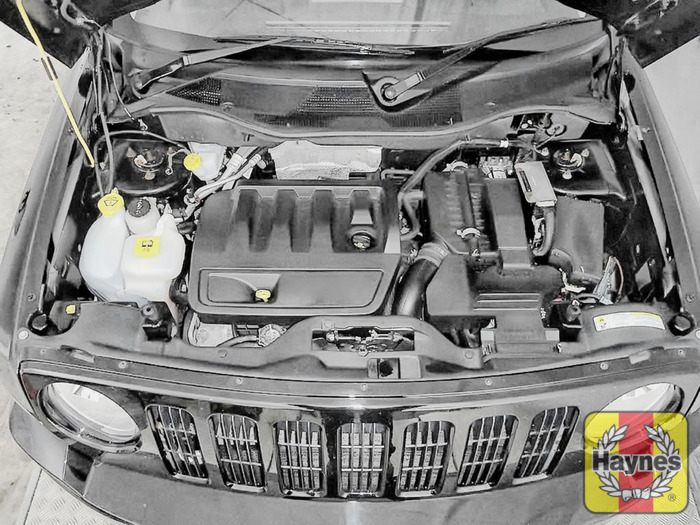
Now that the hood is open, you can inspect vital areas. Here’s what most owners check:
- Engine oil – Pull out the dipstick, wipe it, reinsert, and check the oil level.
- Coolant level – Look for the translucent reservoir and check if it’s between the marks.
- Brake fluid – Inspect the small reservoir near the firewall.
- Battery – Check for corrosion or loose terminals.
- Windshield washer fluid – Top up if low.
| Component | Location | Signs of Trouble |
|---|---|---|
| Engine Oil | Center, front | Dark, thick oil |
| Coolant | Left, rear | Low level, discoloration |
| Battery | Right, front | Corrosion, loose cables |
If you notice leaks, strange smells, or unusual noises, address them before driving.
Closing The Hood Properly
It’s important to close the hood securely to avoid accidents or damage.
- Remove the prop rod and return it to its clip (for older models).
- Lower the hood gently until it’s a few inches from the latch.
- Let it drop from this height; do not press down or slam it hard.
A properly closed hood should sit flush with the rest of the car’s body. If it sticks up or feels loose, reopen and repeat the process.
Non-obvious Tips
- Check alignment: After closing, check the hood’s alignment with the fenders. Misalignment could mean the latch isn’t fully engaged.
- Lubricate the latch: Every 6 months, use a spray lubricant on the hood latch to prevent sticking. Most people overlook this, but it keeps the mechanism working smoothly.
Extra Safety Advice
Never open the hood with the engine running, especially if it’s hot. Wait a few minutes for the engine to cool, as touching hot parts can cause burns.
Always park on a flat surface to avoid the car rolling while you inspect under the hood.
If the hood won’t open, don’t force it. Older latches can stick due to dirt or rust.
In this case, gently tap the hood near the latch area, then try again. If it still doesn’t open, seek help from a mechanic.
Jeep Compass Hood Vs Other Suvs
Opening the hood on a Jeep Compass is similar to other SUVs, but there are small differences. Here’s a quick comparison:
| Vehicle | Hood Release Location | Safety Catch Type |
|---|---|---|
| Jeep Compass | Left, under dash | Lever under hood |
| Toyota RAV4 | Left, lower dash | Button under hood |
| Honda CR-V | Left, near door | Lever under hood |
Knowing this can help if you switch vehicles or rent a different SUV.
Frequently Asked Questions
How Do I Find The Hood Release In My Jeep Compass?
It’s located on the driver’s side, under the dashboard, near your left knee. Look for a small lever with a hood icon.
What If The Hood Won’t Open After Pulling The Lever?
Check if you pulled the lever fully. If the hood still won’t open, try gently pressing down on the hood and then pulling the lever again.
Sometimes, the latch sticks and needs light force.
Can I Open The Hood With The Engine Running?
It’s not recommended. Wait until the engine is off and cool to prevent injury.
How Do I Know If The Hood Is Closed Properly?
The hood should sit flush with the body and not move if you push down lightly. If it feels loose, reopen and close it again.
Is It Safe To Lubricate The Hood Latch Myself?
Yes, using a spray lubricant is safe and helps keep the latch working. Avoid getting lubricant on engine parts.
Opening the hood is a basic skill, but doing it correctly ensures your safety and keeps your Jeep Compass in good shape. For official guidance, you can always check the Jeep Owner’s Manual. With practice, you’ll be able to open and close the hood confidently every time you need to check under the hood.