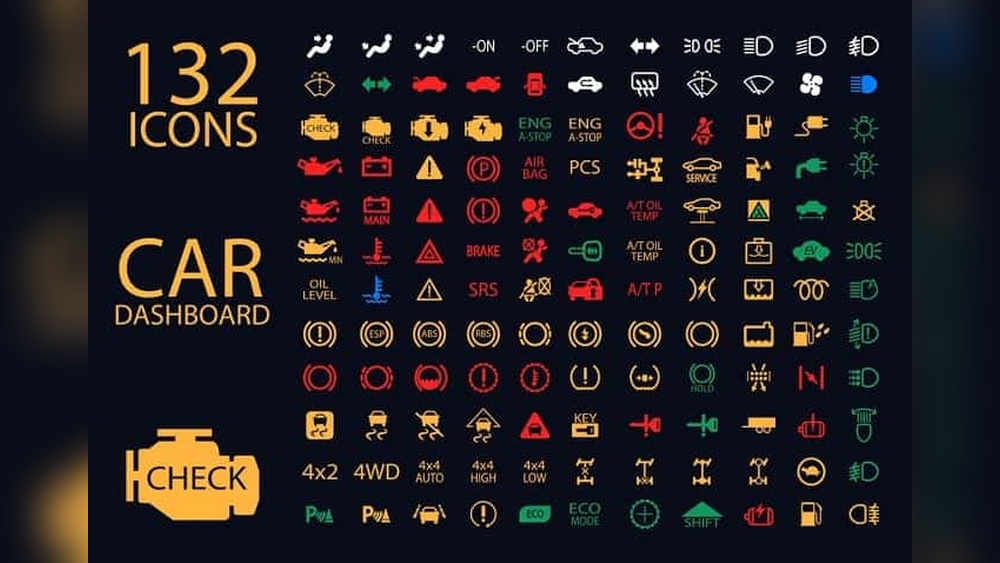
Is your Jeep Wrangler’s TPMS light stubbornly staying on? That blinking or steady warning can be confusing and even a little frustrating.
But you don’t have to guess what to do next. Knowing how to reset your TPMS light quickly helps you get back on the road with confidence—and saves you time and worry. In this guide, you’ll discover simple, step-by-step ways to reset the TPMS light on your Jeep Wrangler, whether you have a JK, JL, or another model.
From checking your tire pressure to using the reset button, you’ll learn exactly what to do to turn off that warning light and keep your tires—and your Jeep—running safely. Ready to take control and clear that TPMS light for good? Let’s dive in.
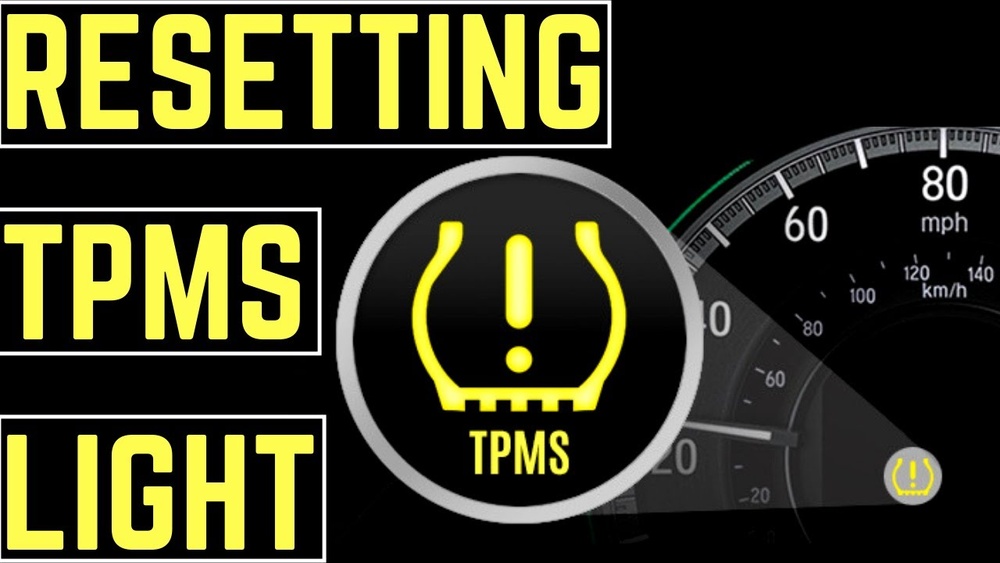
Check Tire Pressure
Checking tire pressure is the first step to reset the TPMS light on your Jeep Wrangler. The TPMS light turns on when one or more tires have low pressure. Proper tire pressure keeps your Jeep safe and improves fuel efficiency.
Every tire, including the spare, should have the correct pressure. Underinflated tires cause the TPMS light to stay on. Overinflated tires can lead to poor handling. Keep the tires at the recommended pressure to avoid these problems.
Locate Recommended Psi
Find the recommended PSI (pounds per square inch) for your Jeep tires on the driver’s side door jamb. It is usually on a sticker or metal plate. The number shows the exact pressure for front and rear tires. Use this number for inflating your tires.
Check each tire’s sidewall only if the sticker is missing. The sidewall lists the maximum PSI, not the recommended one. Always use the door jamb information for the best results.
Inflate All Tires Including Spare
Use a reliable air compressor or visit a gas station to inflate your tires. Fill each tire to the exact PSI listed on the door jamb. Do not guess or overinflate. Inflate the spare tire as well, if your Jeep has one with a sensor.
After inflating, check the pressure with a tire gauge to confirm accuracy. Uneven tire pressure causes the TPMS light to stay on. Proper inflation helps the sensors work correctly and can reset the warning light.
The TPMS (Tire Pressure Monitoring System) reset button is a simple way to turn off the warning light on your Jeep Wrangler. This button lets you manually reset the system after you check or adjust your tire pressure. It works by telling your vehicle to recheck all tires and update the system. Using the reset button can save time and give you peace of mind that your tires are properly monitored.
Look under the dashboard on the driver’s side to find the TPMS reset button. It is often near the steering column or close to the fuse box. The button is small and may be labeled “TPMS” or have a tire icon. If you cannot find it, check your Jeep Wrangler’s owner manual. Knowing the exact spot helps you reset the system quickly.
Reset Light With Ignition On
Turn your key to the “ON” position without starting the engine. Press and hold the TPMS reset button until the light blinks three times. Release the button and wait for a few minutes. The system will scan your tires and reset the warning light if the pressure is correct. This method works well after inflating your tires to the recommended PSI.
Drive To Reset Light
The Tire Pressure Monitoring System (TPMS) light on your Jeep Wrangler signals an issue with tire pressure. After correcting tire pressures, the light may not switch off immediately. The easiest way to reset the TPMS light is by driving your vehicle. This method allows the system to recalibrate itself and update the tire pressure readings.
Driving activates the TPMS sensors, which communicate with the vehicle’s computer. The light usually goes off after the sensors confirm that all tires are properly inflated. This process requires normal driving conditions, so avoid abrupt stops or sharp turns. Patience is key since the reset may take some time depending on your driving style and road conditions.
Normal Driving Reset Process
Start by inflating all tires to the recommended pressure listed on the driver’s door placard. Begin driving your Jeep at speeds above 25 mph. Maintain steady driving for about 10 to 15 minutes. Avoid heavy acceleration or braking to help sensors calibrate accurately. The TPMS light should turn off automatically during this drive as the system updates.
When To Expect Light To Turn Off
The TPMS light usually turns off within 10 to 20 minutes of continuous driving. If it remains on after driving, check tire pressures again. Ensure all tires, including the spare, meet the recommended PSI. In some cases, the system may need multiple drives to reset fully. Persistent warning lights may indicate a faulty sensor requiring professional inspection.

Manual Sensor Reset
Manual sensor reset is a simple way to fix the TPMS light on your Jeep Wrangler. This method helps the tire pressure monitoring system recognize the correct tire pressure. It works by letting the sensors recalibrate after pressure changes. You can do this yourself without special tools.
Start by adjusting the tire pressure manually. This forces the sensors to update their readings. The manual reset can clear false alerts and keep your Jeep safe on the road.
Deflate Tires To Reset Sensors
Begin by fully deflating each tire on your Jeep Wrangler. This step resets the sensor by draining all air from the tire. Use a tire valve tool or press the valve stem to release the air. Deflate slowly and evenly to avoid damage. Wait a few minutes after deflation to ensure the sensors register the change.
Reinflate To Factory Pressure
Next, reinflate all tires to the factory-recommended pressure. Check the driver’s side door jamb for the correct PSI. Use a reliable tire pressure gauge for accuracy. Inflate each tire evenly, including the spare if your Jeep has one. This sets the sensors to the proper baseline and turns off the TPMS light.
Troubleshoot Persistent Light
Using diagnostic tools is a reliable way to reset the TPMS light on a Jeep Wrangler. These tools communicate directly with the vehicle’s tire pressure monitoring system. They can detect sensor issues and clear warning messages. This method saves time and ensures the problem is correctly addressed.
Tpms Scanner Overview
A TPMS scanner reads the signals from each tire sensor. It shows tire pressure data and sensor status on a screen. This device helps identify which sensor is causing the warning light. It also allows users to reset the TPMS system after fixing tire pressure.
Most scanners connect via Bluetooth or plug into the vehicle’s OBD-II port. They provide easy-to-understand information for Jeep Wrangler owners. Using a scanner prevents guesswork and avoids unnecessary repairs.
Using A Taser Mini For Reset
The Taser Mini is a popular TPMS tool for Jeep Wranglers. It activates the tire sensors to reset the warning light. This tool works by sending signals to each sensor, waking them up if they are asleep.
To use the Taser Mini, hold it near each tire’s sensor. Follow the device instructions to scan and reset. The TPMS light should turn off after a successful reset. The Taser Mini helps maintain accurate tire pressure monitoring without dealer visits.

Reset Tips For Different Jeep Models
Preventing future TPMS issues on your Jeep Wrangler keeps you safe and saves time. The tire pressure monitoring system alerts you to low tire pressure. Regular care ensures the system works correctly. Simple habits help avoid warning light problems and sensor failures.
Regular Tire Pressure Checks
Check your tire pressure at least once a month. Use a reliable gauge for accurate readings. Inflate tires to the pressure listed on the driver’s door placard. Do not rely on the TPMS light alone. Proper pressure extends tire life and improves fuel efficiency. Check the spare tire pressure too, as it can have a sensor.
Sensor Maintenance And Battery Life
TPMS sensors have batteries that last about 5 to 10 years. When batteries weaken, sensors may fail to send signals. Replace sensors when their batteries run out to avoid light issues. Avoid hitting curbs or potholes hard, which can damage sensors. Regularly inspect sensors during tire changes. Proper sensor care ensures accurate tire pressure readings and fewer resets.

Frequently Asked Questions
How Do I Turn Off The Jeep Tpms Light?
To turn off the Jeep TPMS light, inflate all tires to the recommended pressure. Then, turn the ignition to “ON” without starting. Press and hold the TPMS reset button until the light blinks three times. Drive the vehicle to complete the reset.
Replace faulty sensors if the light stays on.
How Do I Manually Reset My Tpms Sensor?
To manually reset your TPMS sensor, inflate all tires to the recommended PSI. Turn ignition to “ON” without starting. Press and hold the TPMS reset button until the light blinks three times. If the light stays on, check sensors for damage or battery issues.
The 2013 Jeep Wrangler TPMS reset button is under the dashboard near the steering column. Turn ignition on, hold the button until the light blinks three times. Inflate all tires to the recommended PSI before resetting.
How Do I Reset The Tpms Light On A Jeep Wrangler?
To reset the TPMS light, inflate all tires to the recommended PSI. Turn the ignition to “ON” without starting the engine. Press and hold the TPMS reset button until the light blinks three times. The light should then turn off.
Conclusion
Resetting the TPMS light on your Jeep Wrangler keeps you safe on the road. Always check tire pressures first and inflate to the recommended PSI. Use the reset button inside your vehicle to clear the warning. If the light stays on, inspect the sensors or spare tire.
Sometimes, sensor batteries die and need replacing. Regular tire care helps avoid TPMS issues. Follow these simple steps to maintain proper tire pressure and keep your Jeep running smoothly. Stay alert and enjoy your drive without the TPMS light distracting you.