If you drive a Jeep Compass, you know how important it is to keep your tires at the right pressure. Low or uneven tire pressure can affect your car’s safety, fuel economy, and even the way it handles.
Sometimes, even after inflating your tires, the tire pressure warning light stays on. Knowing how to reset tire pressure on your Jeep Compass can save you time and stress.
Why Tire Pressure Warning Lights Matter
Modern cars like the Jeep Compass use a Tire Pressure Monitoring System (TPMS). This system alerts you when your tires are under-inflated or over-inflated. Driving with the TPMS light on can make you feel uneasy, and for good reason. Low tire pressure increases the risk of blowouts, reduces fuel efficiency, and causes uneven tire wear.
It’s important not to ignore the warning light. If the light stays on, even after adjusting the pressure, a reset may be needed.
Common Reasons The Tpms Light Stays On
Sometimes the TPMS light stays on even after fixing the tire pressure. Here are a few reasons why:
- The pressure is still not within the recommended range.
- The sensor needs time to detect the change.
- There is a faulty sensor.
- Seasonal temperature changes affect readings.
A quick reset often solves the problem unless there’s a sensor issue.
Step-by-step Guide: How To Reset Tire Pressure Jeep Compass
Resetting the TPMS on a Jeep Compass is straightforward for most models made after 2017. Here’s what you need to do:
1. Check And Adjust Tire Pressure
First, make sure all four tires (and the spare, if equipped with a sensor) are at the recommended pressure. You can find the correct PSI on the driver’s side door jamb sticker.
- Use a reliable tire gauge.
- Inflate or deflate as needed to match Jeep’s recommendation (usually between 32–36 PSI for most Compass models).
2. Drive The Vehicle
After adjusting the pressure, drive your Jeep Compass above 15 mph for about 10 20 minutes. This allows the TPMS sensors to recalibrate and recognize the new pressure.
3. Manual Reset Option
Some Jeep Compass models allow you to manually reset the TPMS through the dashboard menu:
- Turn the ignition to the “ON” position (do not start the engine).
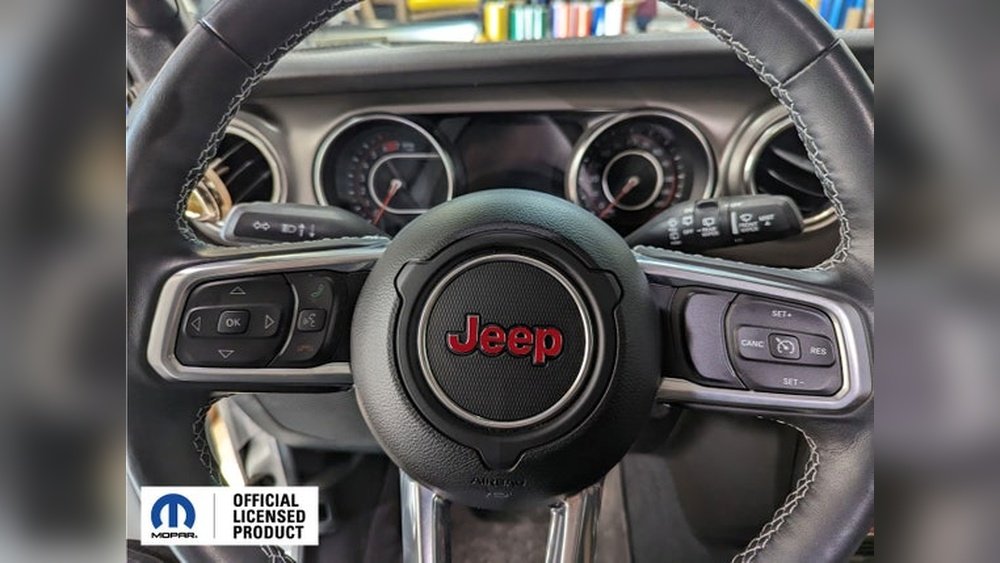
- Use the steering wheel buttons to access the Vehicle Information menu.
- Scroll to “Tire Pressure.”
- If you see a “Reset” option, select it and confirm.
Some older models have a dedicated TPMS reset button, usually under the steering column. Press and hold this button until the TPMS light blinks three times, then release.
Start the vehicle and wait for a few minutes; the light should turn off.
5. Disconnect And Reconnect The Battery
If the light stays on, disconnect the negative battery terminal for 10–15 minutes. Reconnect it, start the car, and see if the warning light resets.
6. Professional Scan Tool
If none of the above work, a dealership or tire shop can use a scan tool to reset the system. This step can also help identify if a sensor is faulty.
Jeep Compass Tire Pressure Recommendations
Here’s a quick reference for the recommended tire pressures for different Jeep Compass years and trims:
| Year | Front Tires (PSI) | Rear Tires (PSI) |
|---|---|---|
| 2017–2021 | 33 | 33 |
| 2022–2024 | 36 | 36 |
Always check your specific model’s sticker for the most accurate number.
How Tire Pressure Impacts Your Jeep Compass
Incorrect tire pressure affects more than just comfort. Here’s how it impacts your Compass:
| Pressure Status | Effect |
|---|---|
| Low | Reduces fuel efficiency, increases tire wear, risk of tire failure |
| High | Less grip, rough ride, uneven tire wear |
| Correct | Best safety, fuel savings, and tire life |
Common Mistakes When Resetting Tire Pressure
Many Jeep Compass owners make small errors that prevent the TPMS from resetting:
- Not checking all four tires (or forgetting the spare if it has a sensor).
- Using an inaccurate tire gauge.
- Resetting before the sensors detect the new pressure—always drive for a few minutes after adjustment.
- Ignoring seasonal changes—cold weather can drop tire pressure.
- Over-inflating in an attempt to clear the light.
A less obvious tip: Sometimes, aftermarket wheels or sensors may not be compatible with your Jeep’s TPMS, causing the light to stay on.

How The Jeep Compass Tpms Works
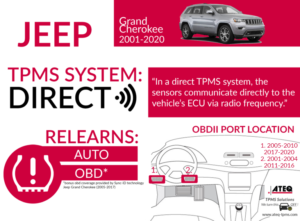
The Jeep Compass uses direct TPMS. This means each tire has a sensor inside that sends real-time data to the car’s computer. The system updates every few minutes while driving. If a tire is under- or over-inflated, you’ll see a warning on the dash.
A unique point many owners miss: If you rotate your tires or change them, the sensors may need to re-learn their positions. This can take a few miles of driving.
When To Seek Professional Help
If you’ve followed all steps and the warning won’t go away, the problem might be a faulty sensor or system issue. Sometimes, sensors have batteries that die after 5–10 years. Dealers or tire shops can diagnose and replace the sensor if needed.
Here’s a look at average costs:
| Service | Estimated Cost (USD) |
|---|---|
| Sensor Relearning | $30–$50 |
| Sensor Replacement | $80–$150 per sensor |
| Full TPMS Diagnosis | $50–$120 |
Extra Tips For Tire Pressure Care
- Check tire pressure monthly, especially before long trips.
- Use a digital gauge for the most accurate readings.
- Remember, tire pressure drops about 1 PSI for every 10°F temperature drop.
- If you add custom wheels, ask if they’re TPMS compatible.
You can find more tips and details about TPMS on the official NHTSA website.
Frequently Asked Questions
What Does It Mean If My Jeep Compass Tire Pressure Light Flashes Then Stays On?
A flashing TPMS light usually means a sensor fault or system error. When it turns solid, it’s warning about low or high pressure.
Check the pressure first, but if the light keeps flashing, a sensor may need service.
How Long Does It Take For The Tpms To Reset After Adjusting Tire Pressure?
It usually takes 10 20 minutes of driving over 15 mph for the system to update. If the light stays on after this, try a manual reset or check for sensor issues.
Can I Drive With The Tpms Light On?
You can, but it’s not safe. The light means at least one tire is not at the recommended pressure, which can affect handling and safety. Always fix the cause before driving far.
Does The Jeep Compass Spare Tire Have A Tpms Sensor?
Some trims include a full-size spare with a sensor. If you have a compact spare, it usually doesn’t.
Always check your owner’s manual to be sure.
How Often Should Tpms Sensors Be Replaced?
TPMS sensors typically last 5 10 years. Their batteries are not replaceable.
When sensors fail or the light won’t reset, it’s time for new ones.
Resetting the tire pressure warning on your Jeep Compass is simple with the right steps. Regular checks and knowing what your dashboard is telling you will keep your drive smooth and safe.