If your Jeep’s Tire Pressure Monitoring System (TPMS) light won’t turn off, it can be frustrating and distracting. You rely on this system to keep your tires at the right pressure and your ride safe.
But don’t worry resetting your Jeep TPMS is easier than you might think. Whether you’ve just adjusted your tire pressure or replaced a sensor, knowing how to reset the system yourself can save you time and trips to the mechanic.
In this guide, you’ll learn simple, step-by-step methods to reset your Jeep’s TPMS, troubleshoot common issues, and get that warning light turned off for good.

Keep reading to take control of your Jeep’s tire safety and drive with confidence again.
Check Recommended Tire Pressure
Confirm the recommended tire pressure on your Jeep’s door jamb sticker. Inflate all tires, including the spare, to the exact PSI.
Proper pressure helps reset the TPMS and ensures accurate readings.
Checking the recommended tire pressure is the first step to reset your Jeep’s TPMS. This pressure ensures your tires perform well and keep you safe on the road.
Find the recommended PSI on the sticker inside the driver’s door jamb. This number is specific to your Jeep model and tire size.
Do not guess or use the pressure from the tire itself. Using the correct PSI helps the TPMS work properly and prevents the warning light from coming on.
Check Spare Tire Pressure
Many Jeep models have sensors in the spare tire too. Make sure to check its pressure as well.
If the spare tire is low on air, the TPMS light might stay on. Inflate it to the recommended level just like the other tires.
Use A Tire Pressure Gauge
Use a reliable tire pressure gauge to measure the air pressure. Do this when the tires are cold, before driving.
Remove the valve cap, press the gauge firmly, and read the number. Add or release air to reach the recommended PSI.
Adjust Tire Pressure As Needed
Add air if the pressure is too low. Release air if it is too high.
Both conditions affect tire wear and fuel efficiency.
Correct tire pressure improves driving comfort and extends tire life. It also helps your Jeep’s TPMS reset successfully.
Inflate Tires Correctly
Proper tire inflation is essential for your Jeep’s TPMS to work correctly. Tires that are overinflated or underinflated can cause inaccurate readings.
This may keep the TPMS warning light on, even if the tires seem fine. Follow the right steps to inflate your tires to the exact pressure recommended by Jeep.
Always check the recommended PSI on the sticker inside the driver’s door jamb. This number tells you the safe and effective tire pressure for your vehicle.
Maintaining this pressure helps the TPMS sensors give accurate data, improving safety and tire life.
Include Spare Tire
Many drivers forget the spare tire when checking tire pressure. Your Jeep’s spare tire often has a TPMS sensor too.
Neglecting its pressure can cause the warning light to stay on. Check and inflate the spare tire to the recommended PSI as well.
This keeps the entire system balanced and your Jeep safe on the road.
Use Accurate Pressure Gauge
Use a reliable pressure gauge to measure tire pressure. Cheap or faulty gauges may give wrong readings.
Digital gauges are usually more precise and easier to read. Measure each tire’s pressure when the tires are cold, as heat can increase pressure and give false results.
Inflate or deflate tires slowly to reach the exact recommended PSI.
Manual Tpms Reset
Manual TPMS reset helps clear the tire pressure light after inflating tires. It works well when sensors detect the correct pressure but the warning stays on.
This reset process is simple and requires no special tools.
Follow the steps below carefully to reset your Jeep’s TPMS manually. This method fits most Jeep models.
Turn Ignition On
Insert the key into the ignition. Turn it to the “ON” position.
Do not start the engine. This powers the vehicle’s electronics and TPMS system.
Locate the TPMS reset button, usually under the steering column. Press and hold the button firmly. Keep it pressed for several seconds.
Wait For Light To Blink
Watch the tire pressure light on the dashboard. It will blink three times.
Release the reset button after blinking stops. The system now recalibrates and clears the warning.
Force Sensor Relearn
The force sensor relearn process helps your Jeep’s TPMS recognize new tire pressures. This method wakes up sensors that don’t update after normal resets.
It requires lowering and then restoring tire pressure precisely. Doing this ensures your Jeep reads the correct pressure and stops false alerts.
Deflate Tires Completely
Start by letting all the air out of each tire. Remove air until tires are fully flat.
This step forces sensors to reset their readings. Use a valve tool or press the valve stem to release air.
Make sure no air remains inside any tire.
Reinflate To Exact Psi
Next, fill each tire with air to the exact PSI listed on the driver’s door sticker. Use a reliable tire pressure gauge for accuracy.
Inflate slowly to avoid going over the correct pressure. Accurate PSI lets sensors relearn the right tire pressure.
Check the spare tire too, as it also has a sensor.
Using Diagnostic Tools
Diagnostic tools make resetting the Jeep TPMS easier and more precise. They connect to the vehicle’s system to read and clear error codes.
These tools also program new sensors and help with sensor relearning. Using the right tool saves time and avoids guesswork.
This section explains how to use diagnostic tools for Jeep TPMS reset.
Tpms Programmers For Jeep Jl
TPMS programmers are specialized devices for Jeep JL models. They communicate directly with the tire pressure sensors.
These programmers can activate sensors, read sensor IDs, and program new ones. They also update the vehicle’s computer with accurate tire pressure data.
Most programmers plug into the OBD-II port under the dashboard. This makes sensor replacement and TPMS reset quick and reliable.
Clearing Trouble Codes
Diagnostic tools can clear TPMS trouble codes stored in the Jeep’s computer. When the system detects a fault, it triggers a warning light.
Using a diagnostic scanner, you can erase these codes after fixing the issue. Clearing trouble codes resets the TPMS warning light.
This step ensures the system monitors tire pressure correctly and stops false alerts.
Identifying Sensor Issues
Identifying sensor issues is the first step to fixing your Jeep’s TPMS. The system relies on sensors inside each tire.
These sensors send pressure data to your vehicle’s computer. Problems with sensors can cause the TPMS light to stay on or flash.
Understanding the signs of sensor failure helps you know when to replace or reset them.
Flashing Tpms Light Meaning
A flashing TPMS light signals a sensor problem. It means one or more sensors are not communicating.
This could happen due to dead batteries or damage. The flashing usually lasts for a minute or two after starting the Jeep.
If it continues, the system cannot read the sensor data properly. Check your tires and sensors for any obvious damage or leaks.
Replacing Dead Sensors
TPMS sensors have batteries that last about 5 to 10 years. Dead batteries cause sensors to stop working.
When the sensor dies, the TPMS light stays on or flashes. Replacement is the only fix for dead sensors.
You can buy sensors specific to your Jeep model. Installation often requires a tire shop or a professional tool.
After replacement, the system needs a reset or relearn to recognize new sensors.
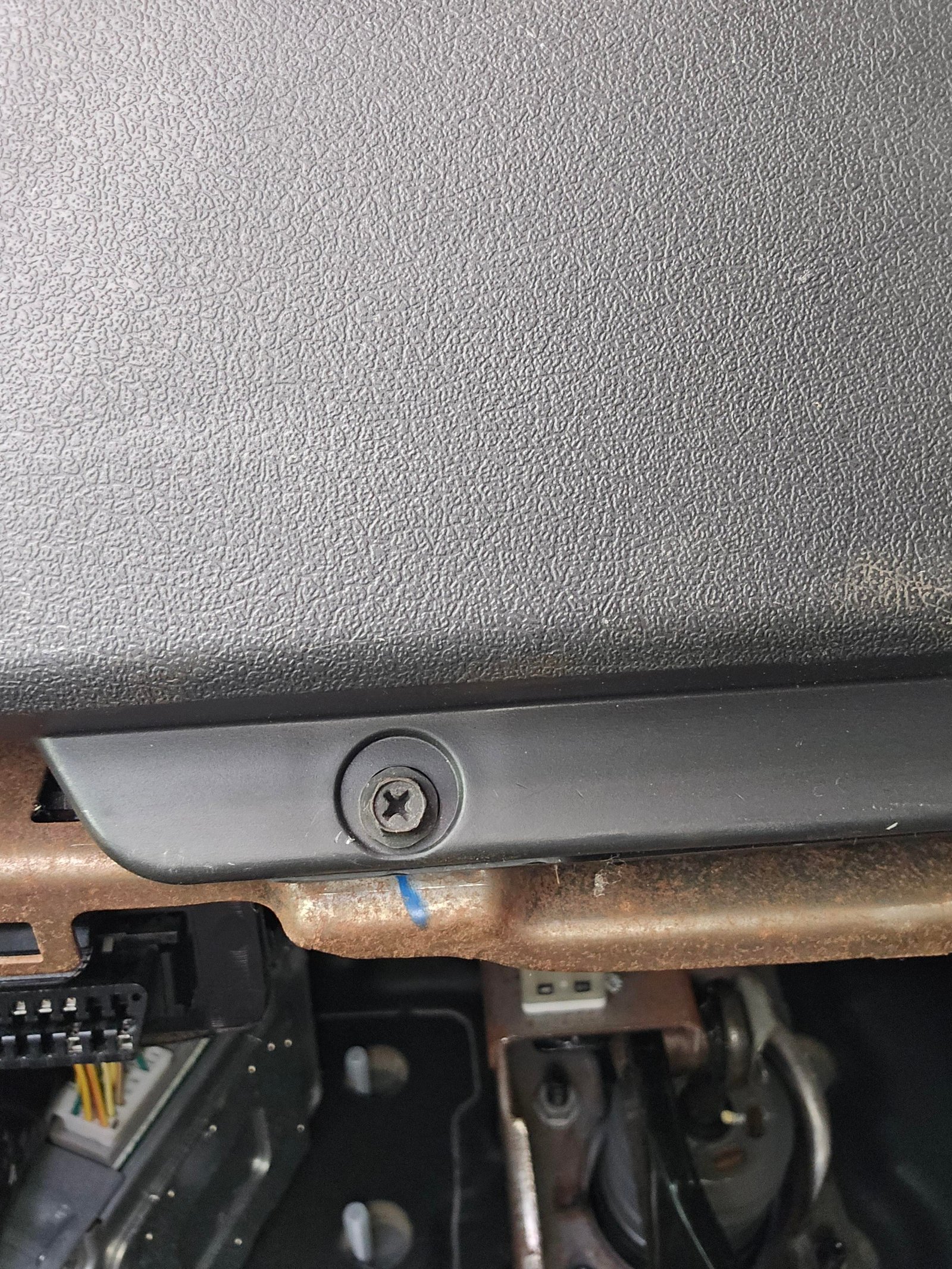
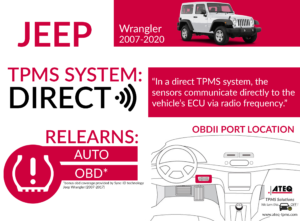
The TPMS reset button on a Jeep is typically found under the steering column. Press and hold it until the tire pressure light blinks three times to reset the system.
This simple step helps clear the warning after adjusting tire pressure.
The TPMS reset button in a Jeep is key for resetting the tire pressure system.
This button triggers the system to relearn new tire pressures after adjustment.
Knowing its location makes resetting quick and easy without extra tools.
In most Jeep models, the reset button is under the steering column.
Look near the lower dashboard, close to the driver’s knee area.
It may be a small, round button labeled “TPMS” or with a tire icon.
Some Jeep models place the reset button inside the glove box.
Others mount it on the center console or near the fuse box.
Check your owner’s manual for the exact button location for your Jeep.
Turn your ignition to the “ON” position without starting the engine.
Press and hold the reset button until the TPMS light blinks three times.
Release the button and wait for the system to update the tire pressure data.
Troubleshooting Common Problems
Troubleshooting common problems with your Jeep’s TPMS can save time and prevent safety issues. Understanding why the TPMS light stays on or what system fault indications mean helps maintain tire health.
This section covers key issues and simple fixes.
When Light Stays On
The TPMS light may stay on even after adjusting tire pressure. This often means the system has not reset properly.
Turn your ignition to the “ON” position without starting the engine. Press and hold the TPMS reset button until the light blinks three times.
Release the button and wait a few minutes. Driving the Jeep at speeds over 25 mph helps the sensors update.
If the light remains, check each tire’s pressure. Include the spare tire if your Jeep has a sensor there.
Tires must match the exact recommended PSI listed on the driver’s door jamb sticker. Low or uneven pressure stops the system from resetting.
System Fault Indications
TPMS may show fault codes or warning signals. These indicate sensor problems or communication errors.
Sensors have batteries that usually last 5-10 years. Weak or dead batteries cause faults.
Physical damage to sensors during tire changes also triggers errors.
Use a TPMS diagnostic tool to read fault codes. It helps identify which sensor needs attention.
If you cannot access a tool, visit a Jeep service center. They can replace faulty sensors and clear error messages.
Ignoring faults can cause the system to stop working completely.

Conclusion
Resetting your Jeep TPMS is simple and saves you time. Keep tire pressures at recommended levels for best results.
Use the reset button or force relearn method if needed. Watch for flashing lights signaling sensor issues or battery problems.
Regular checks help keep your system working properly.
Drive safely with accurate tire pressure alerts on your Jeep.