When your Jeep’s tire pressure warning light comes on, it’s more than just an annoyance. This light means that one or more of your tires may not have the correct pressure.
Driving with improper tire pressure can lower fuel efficiency, hurt handling, and reduce tire life. Sometimes, even after correcting the tire pressure, the warning light stays on.
In these cases, you may need to reset the tire pressure sensor. While the process is simple for many Jeep models, understanding each step is crucial to avoid mistakes and keep your vehicle safe.
Understanding Jeep Tire Pressure Sensors
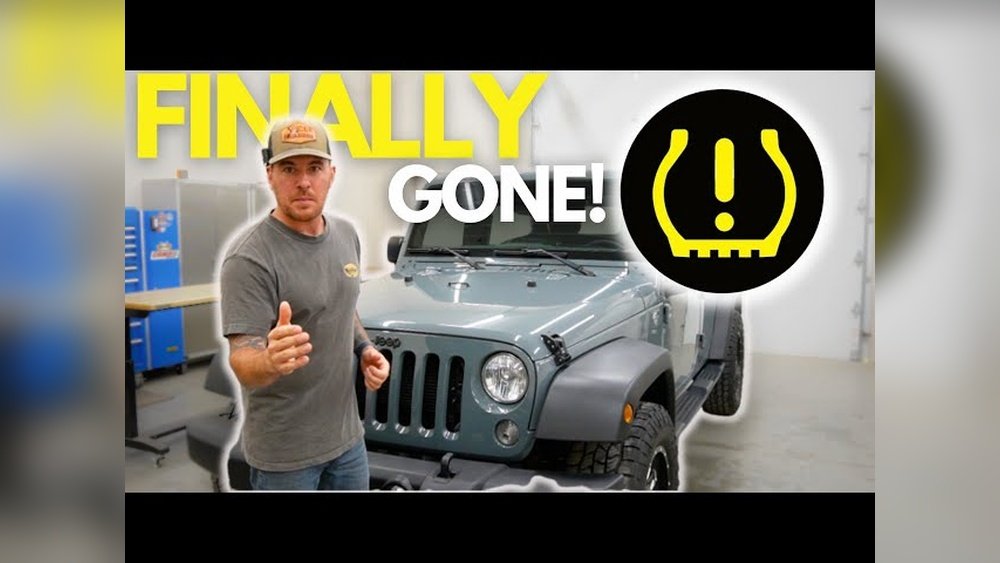
Most modern Jeeps use a Tire Pressure Monitoring System (TPMS). Each wheel has a sensor that measures tire pressure and sends this information to your Jeep’s computer. If pressure drops below a safe level, the warning light appears on your dashboard.
Jeep introduced TPMS in most models after 2007, including the Wrangler, Grand Cherokee, Compass, and Cherokee. These sensors are designed to last several years, but they can sometimes fail or lose calibration.
Common Reasons The Tpms Light Stays On
- Temperature changes causing pressure fluctuation
- A slow air leak or puncture
- Faulty or dead tire pressure sensor
- Sensor needs recalibration after tire rotation or replacement
How To Reset Your Jeep Tire Pressure Sensor
Resetting the TPMS light can differ depending on your Jeep model. Here is a step-by-step guide that works for most modern Jeeps.
1. Check And Adjust Tire Pressure
Before any reset, ensure all tires (including the spare, if equipped with a sensor) are inflated to the recommended PSI. You’ll find the correct pressure on a sticker inside the driver’s door or in your owner’s manual.
- Use a reliable tire gauge.
- Inflate or deflate each tire as needed.
- Don’t forget the spare tire—many Jeeps have a sensor in the spare.
2. Drive To Activate The Sensors
After adjusting tire pressure, drive your Jeep for at least 10 minutes at speeds above 15 mph. This allows the sensors to update the computer.
Often, the TPMS light will turn off automatically once correct pressure is detected.
3. Manual Tpms Reset (if Light Stays On)
If the warning light remains on, try the manual reset:
- Turn the ignition to the “On” position (don’t start the engine).
- Press and hold the TPMS reset button (usually under the steering wheel) for about 10 seconds.
- Release the button when the TPMS indicator blinks three times.
- Start the engine and wait a few minutes.
Not all Jeep models have a visible reset button. For these, the system usually resets automatically after driving.
4. Disconnect The Battery (advanced)
If previous steps fail, disconnect the negative battery terminal for 15 minutes. This can reset the vehicle’s computer.
After reconnecting, drive for 10 minutes. Use caution this may erase radio presets or clock settings.
5. Use A Tpms Tool
A TPMS relearn tool can reset sensors for most Jeeps. These tools are available at auto parts stores and online. Follow the device’s instructions for your model.
Comparing Jeep Models: Tpms Features
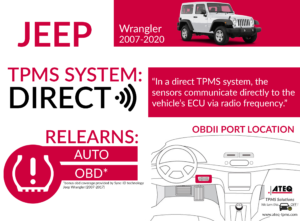
Different Jeep models have slightly different TPMS systems. Here is a comparison of some popular models:
| Model | TPMS Type | Reset Button | Year Introduced |
|---|---|---|---|
| Wrangler | Direct | Some Models | 2007 |
| Grand Cherokee | Direct | No | 2007 |
| Cherokee | Direct | No | 2014 |
| Compass | Direct | No | 2007 |
Direct TPMS means each wheel has a sensor. Some older models may use indirect TPMS, which senses pressure changes using the ABS system.
Troubleshooting Common Issues
Even after following the reset steps, you may face persistent problems.
Sensor Battery Life
Most TPMS sensors use internal batteries that last 5 10 years. When these die, the sensor needs to be replaced.
A dead sensor often triggers a flashing TPMS light.
Sensor Damage
Hitting a pothole or curb can damage a sensor. Replacing a damaged sensor requires tire removal and reprogramming.
Relearn After Tire Rotation
If your Jeep had a tire rotation or new tires installed, sensors may need to be relearned by the vehicle. Some garages have special tools for this process.

Costs Of Tpms Sensor Replacement
Replacing a Jeep TPMS sensor can be costly. Here’s a rough breakdown:
| Service | Estimated Cost |
|---|---|
| Single Sensor (Parts & Labor) | $70–$150 |
| Full Set Replacement | $280–$600 |
| Dealer Relearn Service | $30–$80 |
Shopping around can save money, but always choose reputable parts and service.
When To Seek Professional Help
If your TPMS light stays on after all resets, or if you see a warning like “SERVICE TPM SYSTEM,” visit a professional. Jeep dealers and tire shops have advanced diagnostic tools to pinpoint the problem.
Attempting to replace sensors yourself can lead to incorrect calibration.
Two Key Insights Most Owners Miss
First, the spare tire on many Jeeps has a TPMS sensor. If you ignore the spare, your reset attempts may fail. Second, cold weather can temporarily lower tire pressure, triggering the TPMS light. Check your tires again after driving as heat may normalize pressure.
Safety And Legal Importance
Driving with the TPMS light on may lead to unsafe conditions. In the US, a working TPMS is required for vehicles manufactured after 2007.
Ignoring the warning could lead to a failed inspection or reduced insurance coverage after an accident.
For more detailed information on TPMS, you can visit the official National Highway Traffic Safety Administration site.
Frequently Asked Questions
What Does The Tpms Light Look Like In A Jeep?
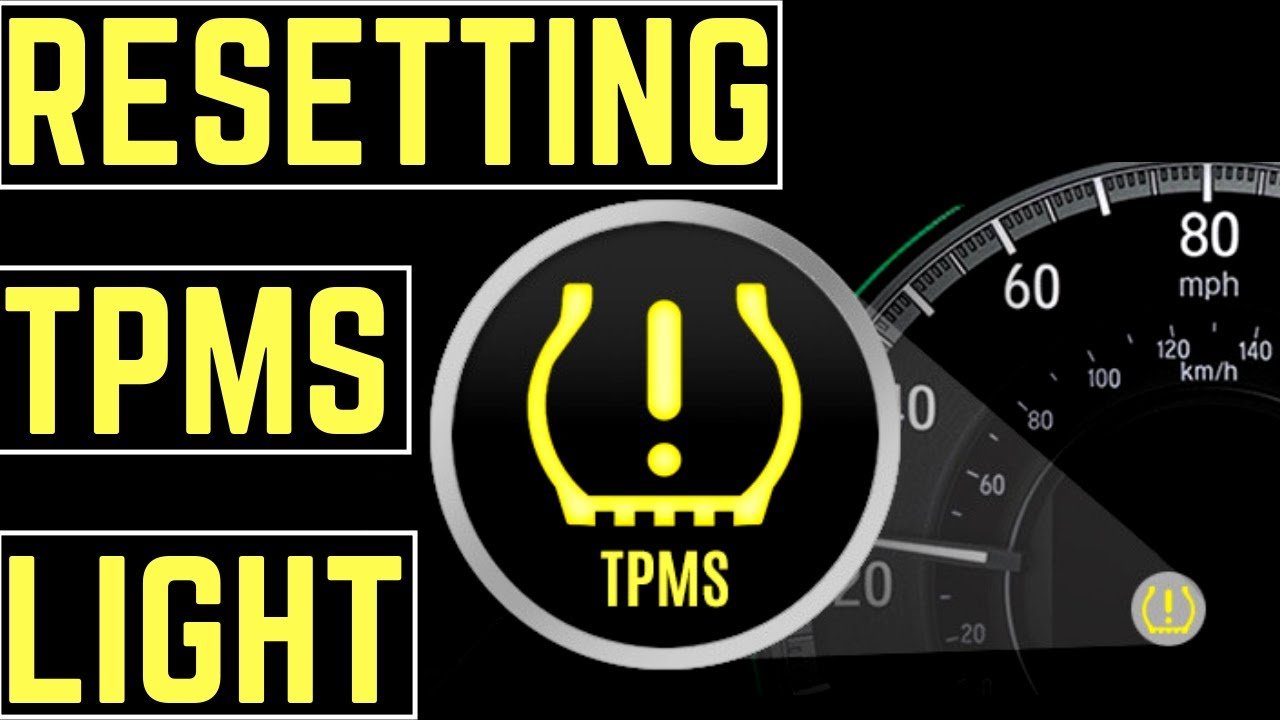
The TPMS light usually looks like an exclamation mark inside a horseshoe. It appears on your dashboard when tire pressure is too low or a sensor fails.
Will My Jeep Fail Inspection If The Tpms Light Is On?
In many US states, a working TPMS is required. If the warning light is on, your Jeep may fail inspection until the issue is fixed.
Can I Drive With The Tpms Light On?
You can drive, but it’s not safe. The light means your tires may be under- or over-inflated, which increases the risk of a blowout or poor handling.
How Often Should I Check My Tire Pressure?
Check your tire pressure at least once a month and before long trips. Weather changes can affect pressure, so check more often in winter.
Is It Safe To Use Aftermarket Tpms Sensors?
Aftermarket sensors can work well if compatible with your Jeep. Choose high-quality brands and have them installed and programmed by a professional.
A properly working TPMS system keeps you safe and helps your Jeep run at its best. Take the time to check your tire pressure and reset the sensors when needed, and never ignore a warning light.