If you drive a Jeep Cherokee, you know how important it is to keep your tires in good shape. A common issue many owners face is the tire pressure warning light appearing on the dashboard.
This light can show up after changing a tire, fixing a flat, or even when the weather changes. When this happens, you need to reset the system so it reads the correct tire pressure.
Resetting the tire pressure monitoring system (TPMS) is not difficult, but it can be confusing if you've never done it before. This guide will explain the process step by step and answer common questions, so you can drive with confidence and safety.
Why Tire Pressure Matters
Proper tire pressure is critical for safety, fuel economy, and the lifespan of your tires. Low tire pressure can cause:
- Reduced fuel efficiency
- Poor handling and braking
- Faster tire wear
- Increased risk of a blowout
A study by the National Highway Traffic Safety Administration found that under-inflated tires are three times more likely to be involved in a crash than properly inflated ones.
How The Jeep Cherokee Tpms Works
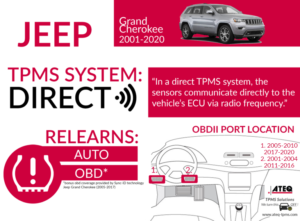
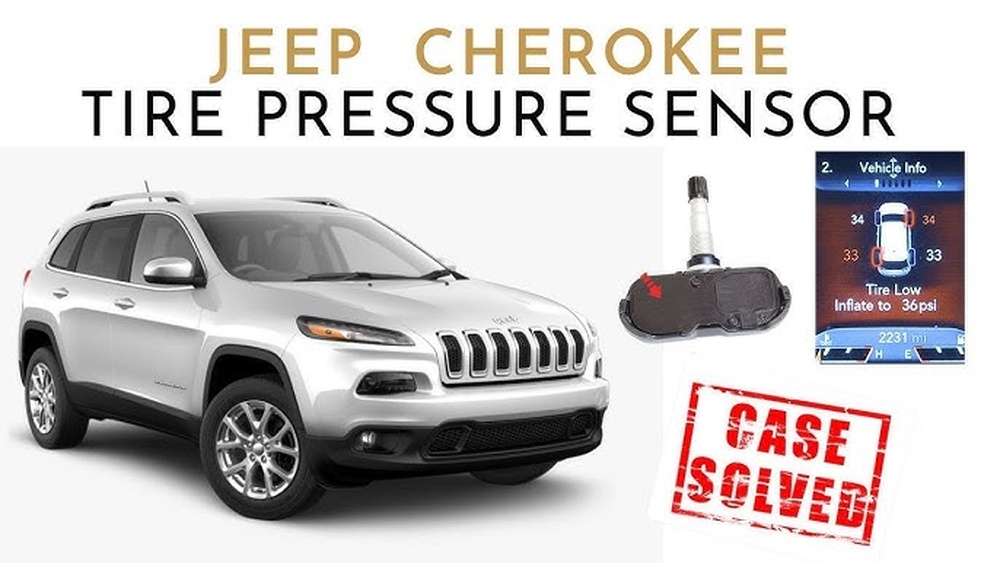
The Jeep Cherokee uses a direct TPMS. Each tire has a sensor that measures air pressure and sends this data to the car’s computer. If pressure falls below a certain level, the warning light appears.
Here’s a quick comparison between direct and indirect TPMS:
| Feature | Direct TPMS | Indirect TPMS |
|---|---|---|
| Sensor Location | Inside tire (valve stem) | ABS wheel speed sensors |
| Accuracy | High | Medium |
| Maintenance | Battery replacement needed | No battery in sensor |
The system is usually reliable, but after inflating the tires or rotating them, you may need to reset it.

When Should You Reset The Tpms?
You should reset the Jeep Cherokee TPMS:
- After inflating tires to the recommended pressure
- After rotating or replacing tires
- When the TPMS warning light stays on, even if pressure is correct
- After changing a faulty tire sensor
If the warning light flashes, it could mean a sensor issue rather than just low pressure.
Step-by-step: Resetting Jeep Cherokee Tire Pressure
Resetting the TPMS is generally simple. Always refer to your owner’s manual for your specific model year, as steps may vary slightly.
1. Check And Adjust Tire Pressure
- Find the correct pressure on the sticker inside the driver’s door or in your manual.
- Use a reliable tire gauge to check each tire.
- Inflate or deflate as needed.
2. Drive To Recalibrate The System
- Start your Jeep and drive at 15 mph or higher for at least 10 minutes.
- Most Cherokees will automatically reset the TPMS during this time.
- The warning light should turn off.
3. Manual Reset (if Needed)
Some models require a manual reset. Here’s how to do it:
- Turn the ignition to the “On” position, but do not start the engine.
- Press and hold the TPMS reset button (usually under the steering wheel) until the warning light blinks three times.
- Release the button and start the engine.
- Wait a few minutes for the light to go off.
If your model does not have a reset button, follow the automatic process.
4. What If The Warning Light Stays On?
If the light stays on after these steps:
- Double-check all tires, including the spare.
- Inspect for punctures or leaks.
- If all tires are fine, a faulty sensor may be the cause. Visit a certified Jeep service center.
Common Mistakes To Avoid
Many drivers make small errors that prevent the TPMS from resetting:
| Mistake | Consequence |
|---|---|
| Not checking all tires (including spare) | Warning light stays on |
| Resetting before adjusting pressure | System reads incorrect values |
| Using inaccurate tire gauges | Improper inflation |
| Ignoring a flashing TPMS light | Potential sensor failure missed |
Insider tip: Many owners forget to check the spare tire, which often has a sensor and triggers the warning light if under-inflated.
Tips For Maintaining Tire Pressure
- Check tire pressure monthly, when tires are cold.
- Replace sensors every 5-7 years or when the battery dies.
- Avoid over-inflating, as it can lead to uneven wear.
- Pay extra attention during seasonal changes, as temperature affects pressure.

When To Seek Professional Help
If you have followed all the steps and the warning light remains, or if you notice handling issues, it’s time to visit a mechanic. Sometimes, the TPMS sensors need reprogramming or replacement.
Certified technicians have the right tools for Jeep vehicles.
For more technical information about TPMS systems, the National Highway Traffic Safety Administration provides detailed resources.
Frequently Asked Questions
What Does It Mean If My Tpms Warning Light Blinks And Then Stays On?
A blinking TPMS light usually means there is a problem with one of the sensors or the system itself. When the light blinks for about a minute and then stays on, it’s often a sign of a faulty sensor or a dead sensor battery.
Can I Drive With The Tire Pressure Warning Light On?
It is not recommended. The light means at least one tire may be under-inflated, which can be dangerous.
Driving on low-pressure tires can cause poor handling, lower gas mileage, and even a blowout.
How Do I Know If My Jeep Cherokee Uses Direct Or Indirect Tpms?
Most Jeep Cherokees use direct TPMS, with individual sensors inside each tire. If your TPMS light shows which tire is low, you likely have a direct system. Your owner’s manual will confirm the exact system for your year and model.
Do I Need A Special Tool To Reset The Tpms?
No special tool is needed for most Jeep Cherokees. The system usually resets after driving with the correct tire pressure.
However, if a sensor is replaced, some shops may use a scan tool to relearn sensor positions.
How Often Should I Check My Tire Pressure?
Check your tire pressure at least once a month, and before long trips. Also check after big temperature changes, as cold weather can lower tire pressure overnight.
Taking a few minutes to keep your Jeep Cherokee’s tire pressure in check pays off in safety, savings, and peace of mind. With these steps, you’ll know exactly how to reset the system and avoid common mistakes many drivers make.