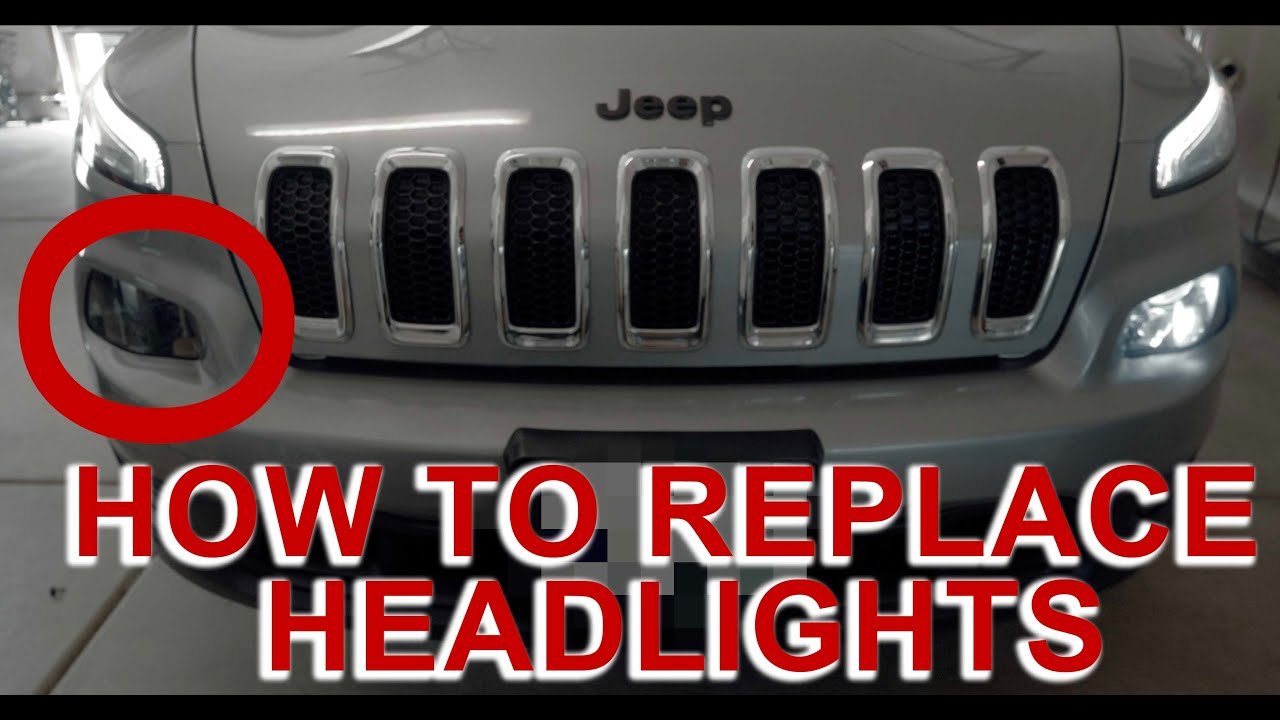
Replacing a headlight on a Jeep Cherokee might seem difficult, but it’s a task most car owners can handle themselves. Whether your light is out or you want brighter bulbs, doing it yourself can save you money and time.
This guide covers every step, including tools, safety, and real tips Jeep owners wish they knew before starting.
Why Replace Your Jeep Cherokee Headlight?
A working headlight is not just about seeing the road—it’s about being seen. Driving with a faulty headlight is illegal in most states and increases the risk of accidents, especially at night or in bad weather. Replacing your headlight promptly ensures you stay safe and avoid fines. Also, new headlights can improve visibility by up to 40%, especially if you switch from halogen to LED.

Tools And Parts You’ll Need
Having the right tools makes the job easy and helps avoid damage.
- New headlight bulb (check your Jeep’s manual for the correct type)
- Phillips screwdriver
- Flathead screwdriver
- Work gloves (to keep oils off the bulb)
- Socket wrench set (usually 7mm or 10mm for Jeep Cherokees)
- Safety glasses
Pro tip: Buy your bulbs in pairs. When one burns out, the other is often close behind.
Step-by-step Guide To Replacing The Headlight
Let’s focus on Jeep Cherokee models from 2014 and newer, as these are most common. Older models are similar but may have small differences.
1. Switch Off The Engine And Lights
Always turn off your car and remove the keys. This prevents electric shock and keeps you safe.
2. Open The Hood
Release the hood latch inside your car. Prop the hood up with the support rod.
3. Remove The Front Grill (if Needed)
Some Cherokee models require removing the front grill to access the headlight assembly.
- Use a flathead screwdriver to pop out the plastic clips on the top of the grill.
- Gently pull the grill forward and set it aside.
4. Unscrew The Headlight Assembly
Locate the screws holding the headlight in place. Usually, there are 2 3 screws.
- Use a socket wrench or Phillips screwdriver.
- Keep the screws in a cup so you don’t lose them.
5. Slide Out The Headlight Assembly
Gently pull the assembly forward. Don’t yank it; there are wires attached at the back.
6. Disconnect The Wiring Harness
Press the tab on the wiring connector and pull it out. This releases the headlight from the car’s power.
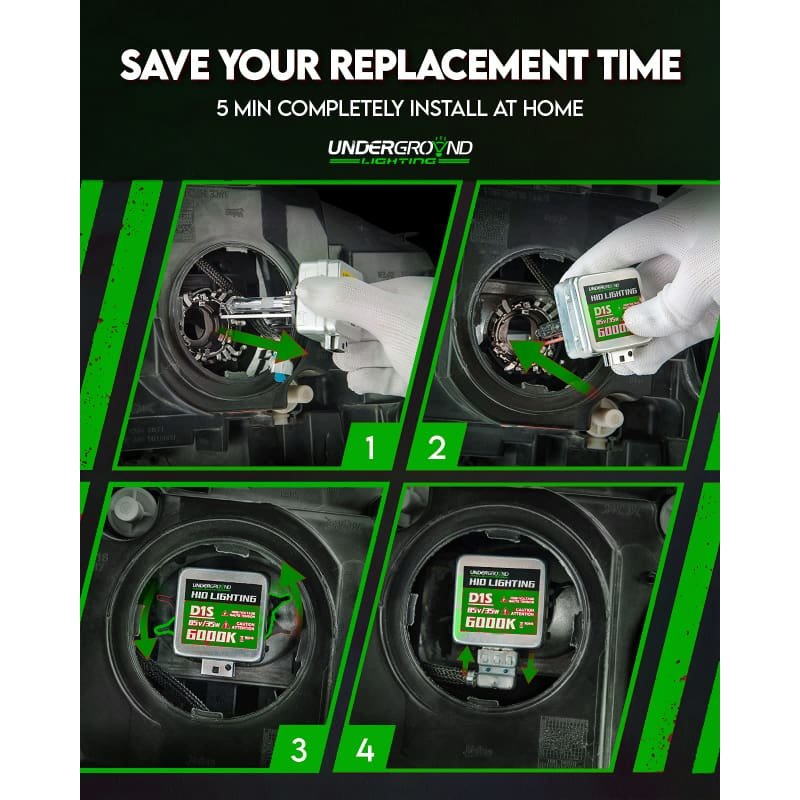
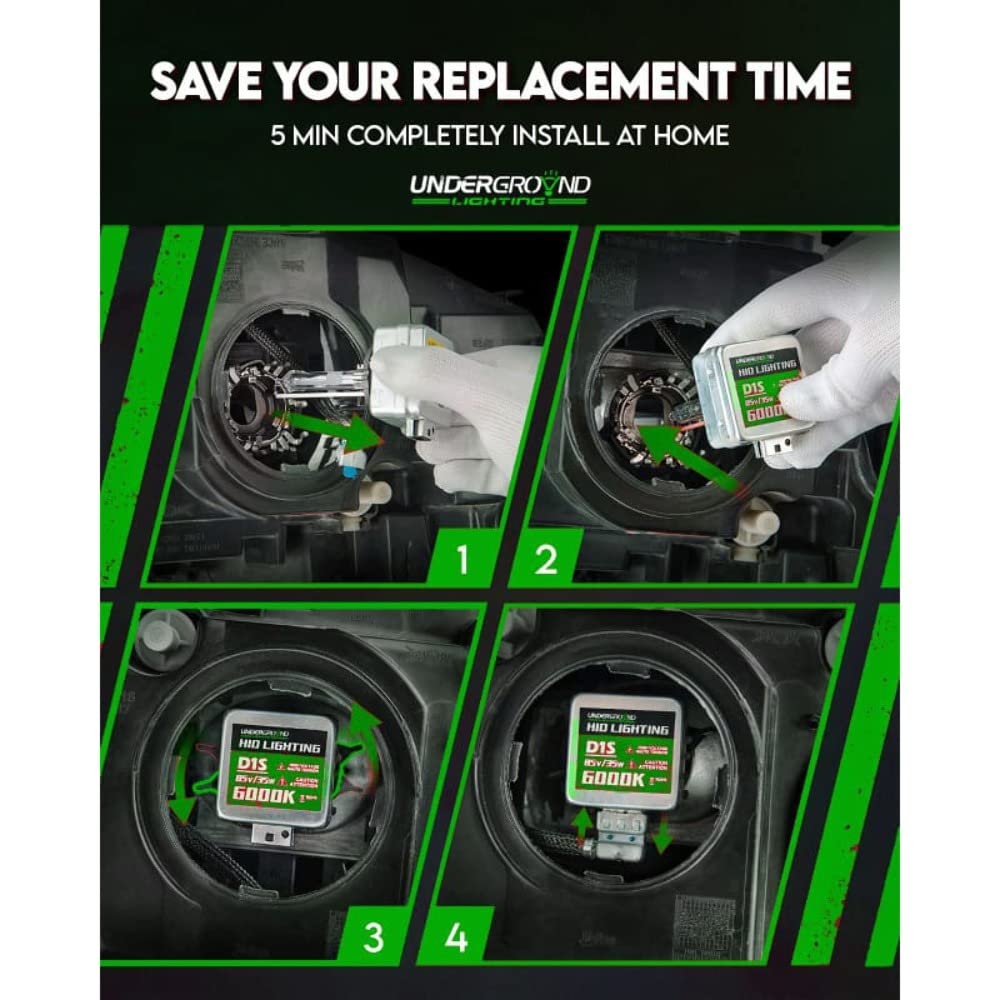
7. Remove And Replace The Bulb
- Twist the bulb socket counterclockwise to release it.
- Pull out the old bulb.
- Important: Don’t touch the glass of the new bulb with your fingers. Oils can shorten its life. Hold it by the base or wear gloves.
- Insert the new bulb, then twist clockwise to lock it.
8. Reconnect And Reassemble
- Plug the wiring harness back into the headlight.
- Slide the assembly into place.
- Tighten the screws.
- If you removed the grill, snap it back on.
9. Test Your New Headlight
Turn on your car and headlights to check that the new bulb works. If it doesn’t, recheck the connections.
Comparison: Halogen Vs. Led Headlights For Cherokee
Many Jeep owners consider upgrading to LED bulbs. Here’s a quick look at the differences:
| Feature | Halogen | LED |
|---|---|---|
| Brightness (lumens) | 1,000–1,500 | 3,000–4,000 |
| Lifespan (hours) | 500–1,000 | 15,000–30,000 |
| Cost per bulb | $15–$25 | $40–$80 |
| Color temperature | Yellowish (3,000K) | White/blue (6,000K) |
Insight: Some newer Cherokees may show a dashboard error after switching to LEDs. You might need a “CAN bus adapter” to prevent this.
Common Mistakes To Avoid
- Touching the bulb glass: This can cause early failure.
- Forcing the assembly: Wires can break if you pull too hard.
- Using the wrong bulb type: Always double-check your owner’s manual.
- Skipping the test: Always test before reassembling everything.
Tip: Take a picture before removing anything. It helps you remember how to put parts back.
Cost Comparison: Diy Vs. Mechanic
Many Jeep owners wonder if it’s worth doing this at home. Here’s a cost breakdown:
| Option | Parts | Labor | Total Cost |
|---|---|---|---|
| DIY | $20–$80 | $0 | $20–$80 |
| Mechanic | $20–$80 | $50–$100 | $70–$180 |
Non-obvious tip: Some auto parts stores will install the bulb for free if you buy from them. Ask before you buy.
What To Do With The Old Bulb
Don’t throw old bulbs in the trash. Most contain small amounts of metal and glass. Check if your local auto parts store accepts used bulbs for recycling.
Final Checks And Road Safety
After replacing your headlight, make sure both sides are shining at the same angle. If your new light seems higher or lower, adjust it using the small adjustment screws on the assembly. Proper headlight aim improves nighttime visibility and keeps you from blinding other drivers. For more details on car lighting regulations, visit the National Highway Traffic Safety Administration.
Replacing a headlight yourself not only saves money but also builds your confidence as a car owner. With the right parts, tools, and these practical steps, your Jeep Cherokee will be safer and ready for the road in less than 30 minutes.
Frequently Asked Questions
How Do I Know Which Headlight Bulb Fits My Jeep Cherokee?
Check your owner’s manual or look up your Jeep’s year and model online. Bulb types like H11 or 9005 are common, but always confirm before buying.
Do I Need To Disconnect The Battery Before Replacing The Headlight?
It’s not required for most Cherokees, but disconnecting the negative battery cable adds extra safety, especially if you’re worried about electric shock.
Can I Upgrade To Led Headlights Without Modifications?
Some LEDs fit directly, but others need a CAN bus adapter to prevent dashboard errors. Check product details and reviews before buying.
Why Is My New Headlight Still Not Working After Installation?
Common reasons include a loose wiring connection, wrong bulb type, or a blown fuse. Double-check all steps and consult your manual if needed.
How Often Should I Replace My Jeep Cherokee’s Headlights?
Most halogen bulbs last 1 2 years. LED bulbs can last 5 10 years.
Replace them as soon as you notice dimming or a burned-out light.
With these steps and tips, replacing your Jeep Cherokee headlight is simple and safe, giving you clear vision and peace of mind every time you drive.