Removing the hardtop from your Jeep Wrangler opens up a new driving experience. Fresh air, open sky, and a sense of freedom—these are just a few reasons Jeep owners love to go topless.
But for many, the first attempt can feel intimidating. The hardtop is heavy, the process seems complicated, and you want to avoid scratches or damage.
With the right tools and a clear step-by-step approach, anyone can safely remove their Jeep’s hardtop in less than an hour.
What You Need Before You Start
Preparation is key to a smooth hardtop removal. Make sure you have these items ready:
- Torx set (T40 and T50 bits)
- Ratchet or cordless drill
- A friend to help lift (recommended)
- Soft towels or blankets
- Storage solution (garage floor, rack, or hoist)
Some Jeep models include a toolkit in the glovebox, but having your own set is wise. Always check your Wrangler’s manual for the exact Torx sizes.
| Tool | Purpose | Typical Location |
|---|---|---|
| Torx T40/T50 | Remove bolts | Tool kit or hardware store |
| Ratchet | Turn Torx bits | Garage/toolshed |
| Blankets | Protect hardtop | Household/garage |
Step-by-step: Removing The Hardtop
The process is similar for JK, JL, and Gladiator models, but small details may vary. Always double-check your specific model’s instructions.
1. Remove Freedom Panels
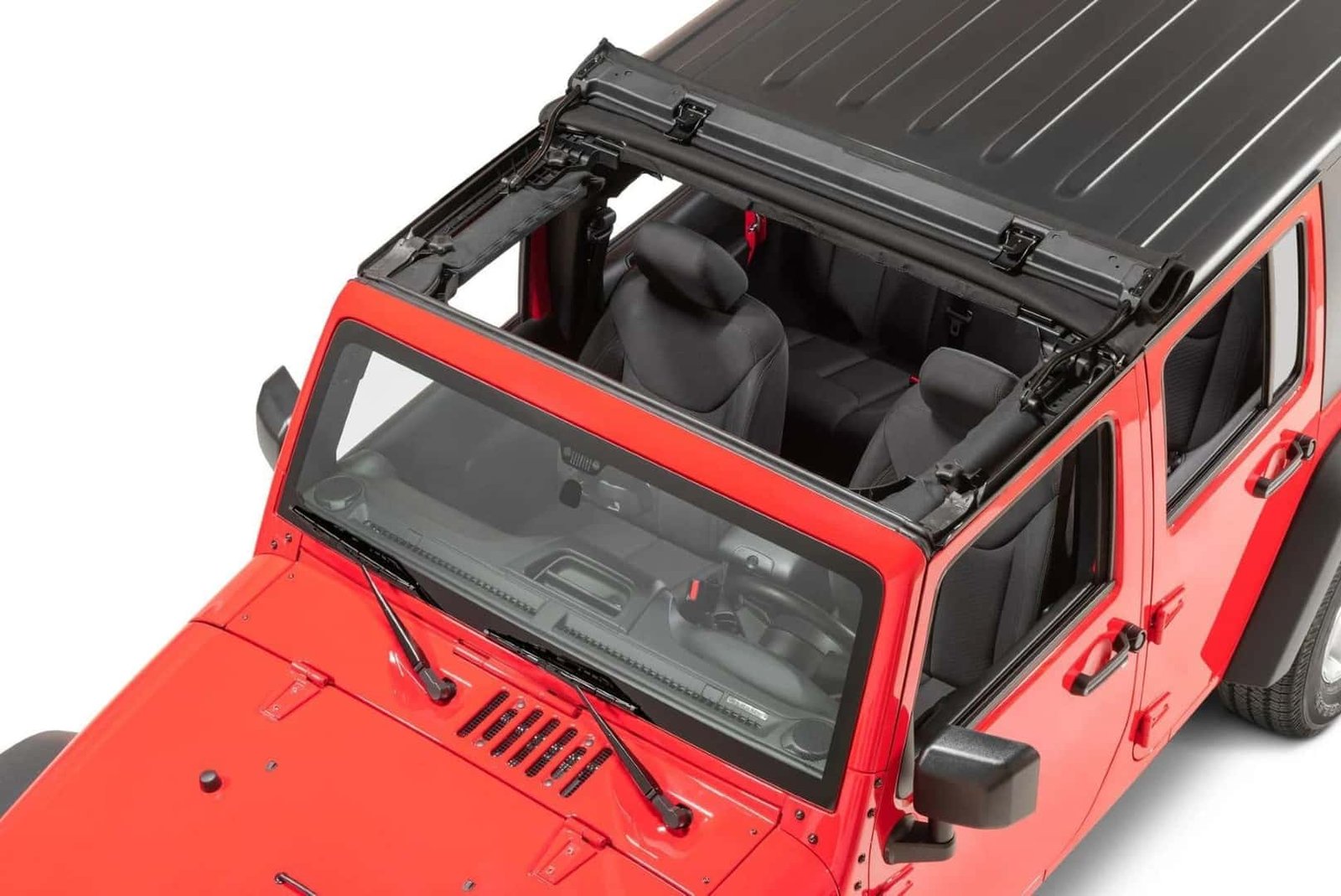
Most 2-door and 4-door Wranglers have front panels called Freedom Panels. These are lighter and remove separately.
- Flip down the sun visors.
- Release all latches (usually six—two above the visors, four at the sides).
- Unclip the rear fastener if present.
- Lift panels off and set aside on a soft surface.
2. Disconnect Electrical And Washer Connections
At the rear driver’s side corner, you’ll find wiring for the rear defroster and wiper.
- Unplug the electrical connector by pressing the tab and pulling gently.
- Disconnect the washer hose by pulling it off the nipple. Some models have a small clip to press.
Place the connections somewhere safe to prevent damage.
3. Remove Hardtop Bolts
Use your Torx bit and ratchet for this step.
- Remove the six bolts (4-door) or four bolts (2-door) from the roll bar area.
- There are also two bolts on each rear corner above the taillights.
- Set all hardware in a bag or tray for reinstallation.
| Model | Number of Bolts | Approx. Hardtop Weight |
|---|---|---|
| 2-Door | 6 | ~90 lbs (41 kg) |
| 4-Door | 8 | ~140 lbs (64 kg) |
4. Lift And Remove The Hardtop
With all bolts removed and connections unplugged:
- Open the tailgate wide.
- Lift the hardtop evenly from both sides (two people recommended).
- Walk it backwards, being careful not to bump the paint or lights.
Place the top on a blanket or rack. Avoid placing it directly on concrete, which could scratch the finish.
Storage Tips For Your Hardtop
A common mistake is leaving the hardtop in an unsafe spot. Here are safe options:
- Hardtop hoist: A ceiling hoist system makes removal and storage simple for one person.
- Rolling rack: Move and store the top easily in your garage.
- Wall mount: Hang panels vertically to save floor space.
- Blankets on the floor: If nothing else, lay soft blankets to prevent scratches.
Never store the hardtop in direct sunlight or damp places. Sun and moisture can damage seals and fade the finish.
Common Issues And How To Avoid Them
Many first-timers run into a few common problems:
- Forgetting to disconnect wires: This can rip out the rear defroster or washer wiring, which is costly to repair.
- Losing bolts: Always use a small bag or labeled tray for all hardware.
- Scratching the top or paint: Take your time. Don’t rush the lift, and always use padding.
A detail beginners often miss: check the weather forecast before removing your hardtop. Sudden rain can damage your Jeep’s interior.
Reinstalling The Hardtop
Putting the hardtop back on is mostly the reverse of removal:
- Place the hardtop carefully on the Jeep.
- Hand-tighten all bolts before fully tightening with the ratchet.
- Reconnect the wiring and washer hose.
- Reinstall the Freedom Panels, snapping all latches in place.
One expert tip: lubricate the seals with a silicone spray before reinstalling. This prevents leaks and makes it easier to remove next time.
When To Ask For Help
If the hardtop feels too heavy or you’re worried about damaging your Jeep, ask a friend for help. Some owners use a dedicated Jeep shop or dealership for the first removal. Watching the process once makes it easier to do solo in the future.
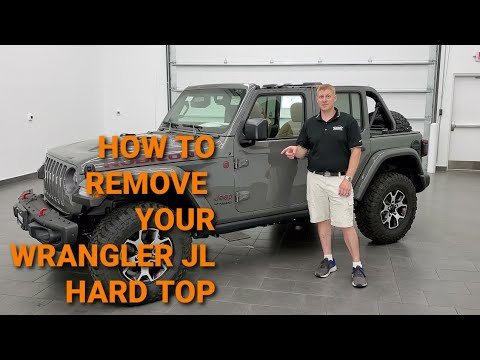
If you want a visual guide, the official Jeep guide provides detailed videos and diagrams.
Frequently Asked Questions
How Heavy Is A Jeep Wrangler Hardtop?
A 2-door Wrangler hardtop weighs about 90 pounds. The 4-door version is closer to 140 pounds. Most people find it easier with two people, but it’s possible to use a hoist system for solo removal.
Can I Remove The Hardtop By Myself?
Yes, but it’s much easier and safer with a friend. If you must do it alone, invest in a hoist system or rolling cart to prevent damage or injury.
Will Removing The Hardtop Void My Warranty?
No, removing the hardtop is expected by Jeep and does not void your warranty. Just avoid damaging electrical connections or other components during removal.
Is It Safe To Drive Without The Hardtop?
Yes, as long as you have all required safety equipment. Make sure seat belts work and the Freedom Panels or doors are properly attached if left on. Note that weather exposure is a risk.
What Should I Do With The Bolts And Hardware?
Always keep bolts and hardware in a labeled bag or container. Some owners store them in the Jeep’s center console or glovebox for easy access.
Removing your Jeep Wrangler hardtop is rewarding and opens up new adventures. With good preparation and care, you can do it safely and enjoy open-air driving all season long.