If you drive a Jeep Compass, understanding how to release the parking brake is essential.
Many owners, especially those new to the model, can feel confused by the parking brake system, especially as newer vehicles often use an electronic system instead of a traditional hand lever.
This guide explains how to release the parking brake on your Jeep Compass, covering both manual and electronic types. You’ll also learn what to do if the brake won’t release, common mistakes, and practical tips to avoid problems in the future.
Types Of Parking Brakes On Jeep Compass
The Jeep Compass can have either a manual parking brake (a lever between the seats) or an electronic parking brake (EPB), controlled by a button. The system depends on the model year and trim.
| Model Year | Parking Brake Type |
|---|---|
| 2017 and earlier | Manual lever |
| 2018 and newer | Electronic (button) |
Knowing which system your Jeep has will help you follow the correct method below.
How To Release A Manual Parking Brake
The manual parking brake is the traditional style. You’ll find a lever between the driver and passenger seats.
- Sit in the driver’s seat and keep your foot on the brake pedal.
- Pull up slightly on the parking brake lever. This relieves tension and makes it easier to release.
- Press the button at the end of the lever.
- Lower the lever completely while pressing the button. The brake should now be released.
Tip: If the lever feels stuck, gently rock the vehicle forward and backward while pulling the lever. Sometimes, parking on a slope can increase pressure on the brakes.

How To Release The Electronic Parking Brake (EPB)
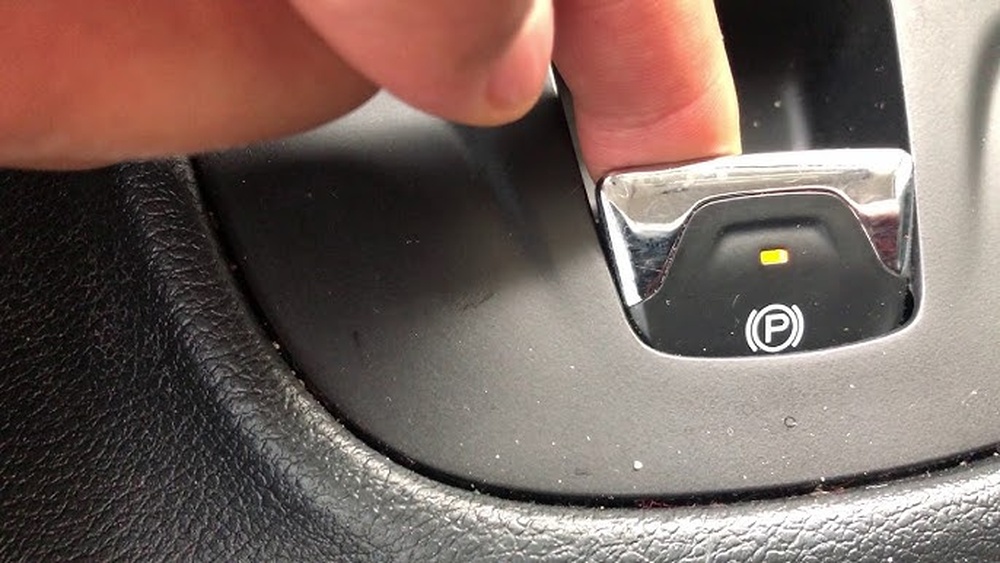
Most new Jeep Compass models use the electronic parking brake. You control it with a button near the gear shifter, usually marked with a “P” in a circle.
Step-by-step Process
- Turn on the ignition or start the engine. The system needs power.
- Press and hold the brake pedal with your foot.
- Pull up or press the EPB button (check your owner’s manual for the exact action—most Jeeps use a pull-up motion).
- Wait for the brake light to go off on your dashboard. This means the parking brake is released.
Insight: Some Jeep Compass models can automatically release the electronic parking brake when you shift into drive and press the accelerator, as long as your seatbelt is fastened.
Automatic Release Feature
| Feature | How It Works |
|---|---|
| Auto Release | Parking brake disengages as you start driving |
| Manual Release | User must pull the button while pressing brake pedal |
Caution: Relying only on auto-release can sometimes fail if the seatbelt isn’t fastened or a door is open.
What If The Parking Brake Won’t Release?
There are times when the parking brake—manual or electronic—won’t release. Here’s what to check if you have problems:
- Check your battery: The electronic parking brake needs electricity. If the battery is weak or dead, it may not work.
- Make sure doors and seatbelt are secure: Some models require seatbelts to be fastened and all doors closed before releasing the EPB.
- Listen for noises: A stuck cable (manual) or malfunctioning motor (electronic) can cause issues. If you hear grinding or clicking, don’t force the brake.
- Try restarting the engine: Sometimes, the system just needs a reset.
- Consult your owner’s manual: Each year and trim can have slight differences.
If you still can’t release the brake, do not drive. Forcing the vehicle can damage the brake system or transmission. Call roadside assistance or a certified mechanic.
Common Mistakes To Avoid
Releasing the parking brake seems simple, but these mistakes are common:
- Not pressing the brake pedal: Always press the main brake pedal before releasing the parking brake.
- Forgetting to turn on the ignition: The electronic system won’t work without power.
- Trying to release on a slope without holding the brake: The car can roll if you’re not careful.
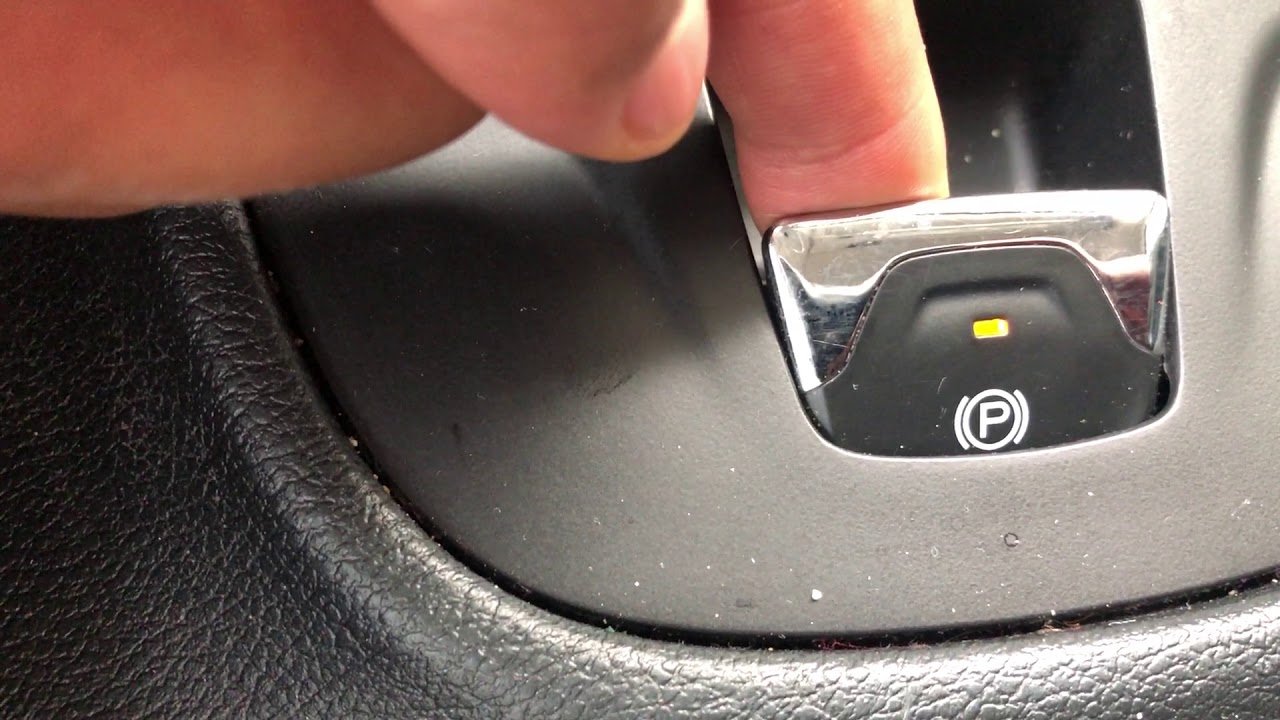
- Pulling the EPB button the wrong way: Some drivers push instead of pull. Check your model’s instructions.
- Ignoring warning lights: If you see a red “P” or a flashing light, the brake may still be engaged or there’s a problem.
Expert Tip: If you park on a steep hill, turn your wheels toward the curb before releasing the parking brake. This reduces the risk of the car rolling and takes pressure off the brake system.
Comparison: Manual Vs. Electronic Parking Brake
To help you see the differences, here’s a quick side-by-side comparison.
| Feature | Manual Parking Brake | Electronic Parking Brake |
|---|---|---|
| Release Method | Lift lever, press button, lower lever | Pull button with brake pedal pressed |
| Power Needed | No (mechanical) | Yes (electrical) |
| Auto Release | No | Yes (some models) |
| Common Issues | Stuck cable, frozen lever | Dead battery, motor fault |

Extra Tips For Smooth Parking Brake Use
- Test the brake regularly: Use the parking brake every time you park, even on flat ground. This keeps it from sticking.
- Keep the system clean: Dirt or rust can cause manual brakes to seize.
- Watch for warning lights: Don’t ignore dashboard signals related to the parking brake.
- Service the brake: Have it checked during regular maintenance, especially if you hear unusual sounds.
If you want more technical details about the electronic parking brake system, the Wikipedia article on Electronic Parking Brake offers a deep dive.
Frequently Asked Questions
How Do I Know If My Jeep Compass Has A Manual Or Electronic Parking Brake?
Check the area near your gear shifter. If you see a lever, it’s manual.
If there’s a small button with a “P” in a circle, it’s electronic. Model year also helps 2018 and newer are mostly electronic.
Can I Release The Electronic Parking Brake If The Battery Is Dead?
No, the electronic system needs power. If the battery is dead, you’ll need to jump-start the vehicle or call for assistance.
Why Does My Parking Brake Warning Light Stay On After I Release It?
A flashing or steady warning light usually means the brake is still engaged, or there’s a fault in the system. Check that you fully released the brake and consult your owner’s manual.
Is It Bad To Drive With The Parking Brake On?
Yes, driving with the parking brake engaged can damage the brake pads, rotors, or cables. If you notice reduced power or a burning smell, stop and check the brake immediately.
What Should I Do If My Parking Brake Feels Stuck During Cold Weather?
Cold weather can cause cables to freeze or stick. Gently try to release the brake, but never force it.
Warm up the car or wait for the temperature to rise if possible.
Releasing the parking brake on a Jeep Compass is easy once you know your system. With these steps and tips, you’ll keep your vehicle safe and avoid costly repairs.