Removing the transmission cooler lines on a Jeep Cherokee can sound intimidating if you’ve never worked on a vehicle’s transmission before. But with the right guidance, tools, and patience, you can handle this task yourself.
Whether you’re fixing a leak, replacing the radiator, or upgrading the cooling system, understanding how to remove these lines safely is essential. In this guide, you’ll learn the step-by-step process, get practical tips, and see important comparisons to help you work smarter, not harder.
Understanding Transmission Cooler Lines
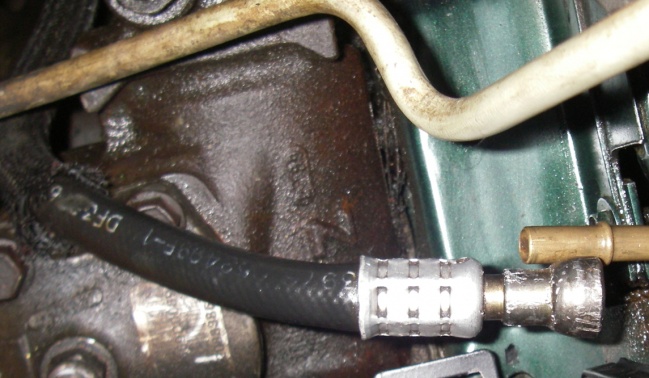
The transmission cooler lines carry hot transmission fluid from the transmission to the radiator or an external cooler and back. This helps keep the transmission from overheating and prevents expensive damage. Jeep Cherokees, especially models from the 1990s to the 2010s, typically use metal lines with quick disconnect fittings or threaded ends.
If these lines develop leaks or get clogged, you might notice shifting problems, overheating, or even total transmission failure. That’s why removing and inspecting them is a smart step for preventive maintenance.
Tools And Materials You’ll Need
Before starting, gather these tools:
- Wrenches: 13mm, 15mm, and adjustable
- Line disconnect tool: For quick-connect fittings
- Drain pan: To catch fluid
- Gloves and safety glasses: For protection
- Shop rags
- Replacement O-rings or clips (if needed)
Common Fitting Types On Jeep Cherokee
Identifying your line fittings helps you choose the right tool. Here’s a comparison:
| Fitting Type | Years Used | Removal Tool |
|---|---|---|
| Quick Disconnect | 1997-2001 | Line disconnect tool |
| Threaded Fittings | 2014-present | Wrenches |
| Hose Clamp | 1987-1996 | Pliers |
Look under your Jeep before buying tools the type can vary.

Step-by-step: Removing Transmission Cooler Lines
Ready to begin? Follow these steps to remove the transmission cooler lines safely.
1. Prepare Your Workspace
Park on a level surface and set the parking brake. Let the engine cool down.
Place wheel chocks behind the rear wheels for extra safety. Wear gloves and safety glasses to protect yourself from hot fluid and debris.
2. Find The Transmission Cooler Lines
Crawl under the Jeep and trace the metal lines running from the transmission to the radiator (front of the engine bay). These are usually 3/8” diameter lines.
3. Drain The Transmission Fluid
Place the drain pan below where the lines connect to the radiator. Removing the lines will cause some fluid to leak out, so be ready with shop rags.
4. Disconnect The Lines
How you remove the lines depends on the fitting type:
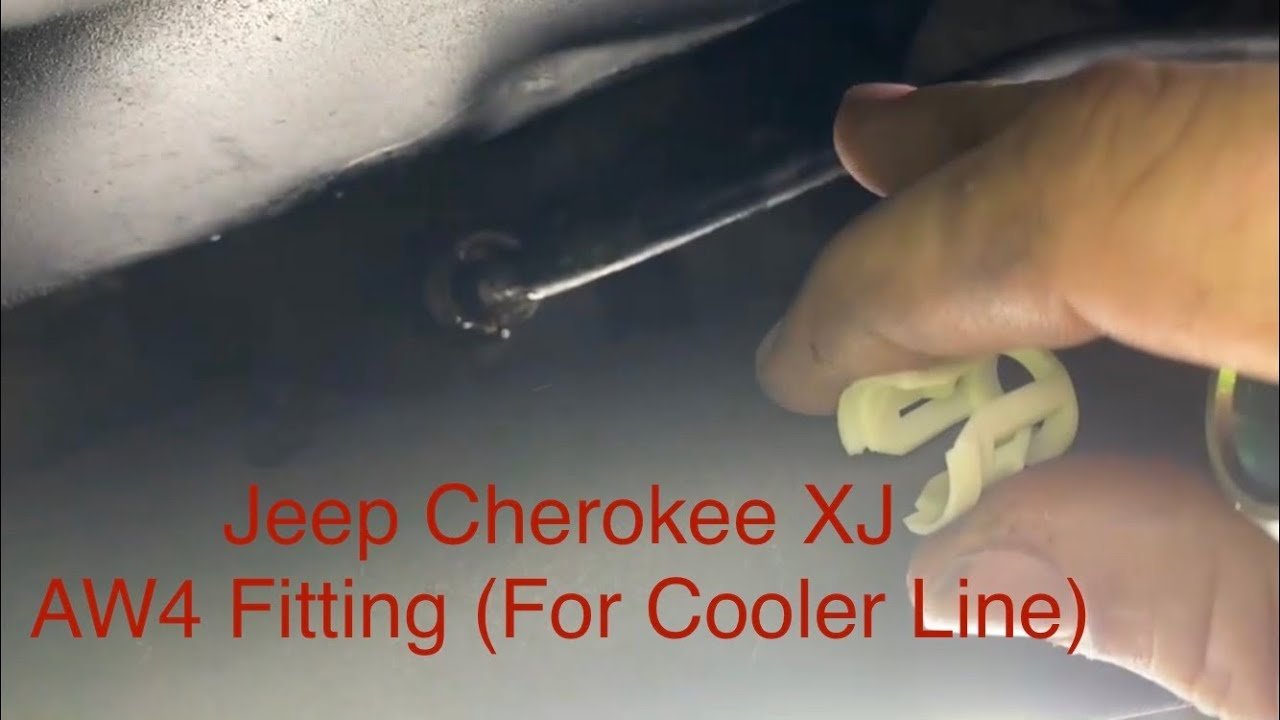
- Quick Disconnect: Slide the disconnect tool around the line and push into the fitting. The line should pop out with a gentle pull.
- Threaded Fittings: Use two wrenches (one to hold, one to turn) to loosen the nut. Avoid twisting the line.
- Hose Clamps: Squeeze and slide the clamp away from the connection, then twist the hose off.
Pro tip: If the lines are stuck, spray a little penetrating oil and let it sit for 10 minutes. Avoid forcing or bending the line, which can cause cracks.
5. Remove The Lines From Transmission
Repeat the disconnection process where the lines meet the transmission. There may be a heat shield or brackets. Remove these with a wrench if needed.
6. Inspect And Clean
Once the lines are off, inspect them for cracks, rust, or blockages. If you’re replacing them, compare old and new lines for length and fitting type.
7. Plug Openings
To avoid contamination, plug the open ports on the transmission and radiator with clean rags or plastic caps until you’re ready to reconnect.
Comparing Diy Removal Vs. Mechanic Service
Should you remove transmission cooler lines yourself or pay a shop? Here’s a quick side-by-side:
| DIY | Professional Mechanic |
|---|---|
| Costs $20-$60 (tools and fluid) | Costs $150-$300 (labor and parts) |
| Takes 1-2 hours | Takes 1 hour |
| Learn new skills | No personal experience gained |
| Risk of small mistakes | Usually guaranteed work |
If you’re comfortable with basic tools and have some patience, the DIY approach is realistic and saves money.
Tips To Make The Job Easier
- Use a mirror and flashlight to see hard-to-reach connections.
- Always replace O-rings if you see cracks or wear.
- Take photos before disconnecting lines. This helps with reinstallation.
- Don’t overtighten new lines—hand snug, then a quarter turn more.
- Have extra transmission fluid ready to top off after reconnecting.
Common Mistakes To Avoid
Many beginners damage fittings or forget to add fluid. Avoid these pitfalls:
- Not catching all fluid: Always use a drain pan under both ends.
- Losing clips or O-rings: Place removed parts in a small container.
- Mixing up lines: Label each line or take photos—crossing lines can cause transmission failure.
- Over-tightening fittings: This can strip threads or crack the radiator.
- Not checking for leaks: Start the engine and check all connections after the job.
What To Do After Reinstalling Lines
Once you finish, refill the transmission fluid to the correct level. Start the engine, let it idle, and check for leaks under the Jeep.
Shift through all gears, then check the fluid again. Top off if needed underfilling can cause major problems.
If you spot leaks or shifting issues, turn off the engine and inspect your connections.
Frequently Asked Questions
How Much Transmission Fluid Will I Lose When Removing The Cooler Lines?
You’ll usually lose 1 to 2 quarts of transmission fluid. Always check your owner’s manual for the correct type and refill amount.
Can I Drive With Leaking Transmission Cooler Lines?
No. Leaking lines can lead to low fluid, which overheats the transmission and causes expensive damage fast.
Do I Need To Replace O-rings Or Clips During Reinstallation?
Yes. It’s best practice to use new O-rings or clips to ensure a leak-free seal. Old seals can become brittle and fail.
Is It Safe To Use Hose Clamps Instead Of Factory Quick Disconnects?
Only if it’s a temporary fix. Factory connections are safer and more reliable. Use proper fittings for long-term safety.
Where Can I Find More Official Instructions Or Diagrams?
The official Jeep service manual or trusted sources like Mopar’s official Jeep resources have diagrams and model-specific instructions.
Removing the transmission cooler lines from your Jeep Cherokee is a practical DIY job with the right preparation and careful steps. Take your time, keep your workspace clean, and double-check your connections. With these tips, you’ll finish the job with confidence and keep your Jeep’s transmission running strong.