If your Jeep Liberty’s air conditioning isn’t blowing cold air, it might be low on Freon (R134a refrigerant). Adding Freon can restore cooling, but it needs care and the right steps.
Many Jeep owners try this themselves, but mistakes can damage the AC system or even cause injury. This guide shows you how to add Freon safely, with tips that most beginners miss.
What You Need Before Adding Freon
Before starting, gather these essentials:
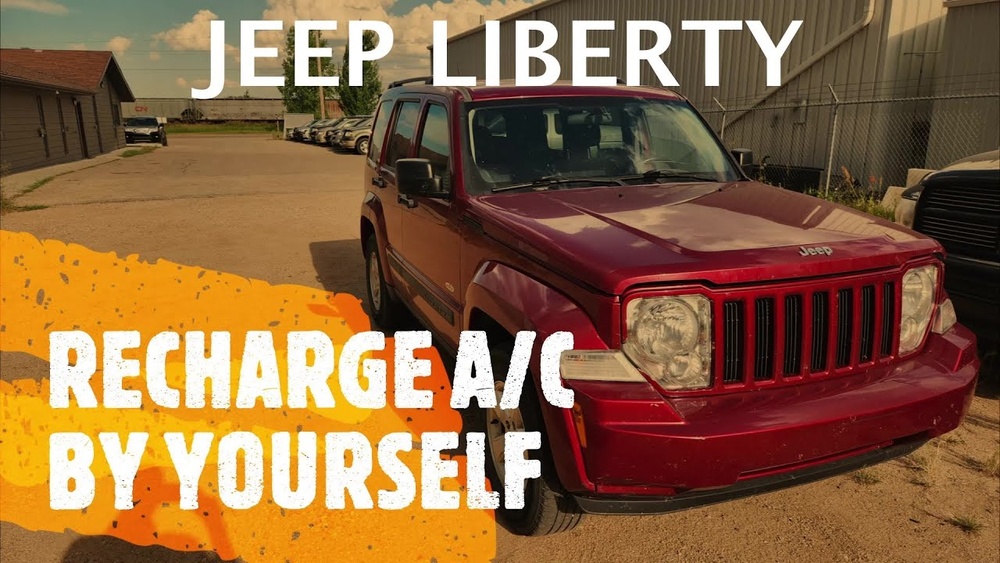
- R134a refrigerant can (check Jeep Liberty year: Most use R134a)
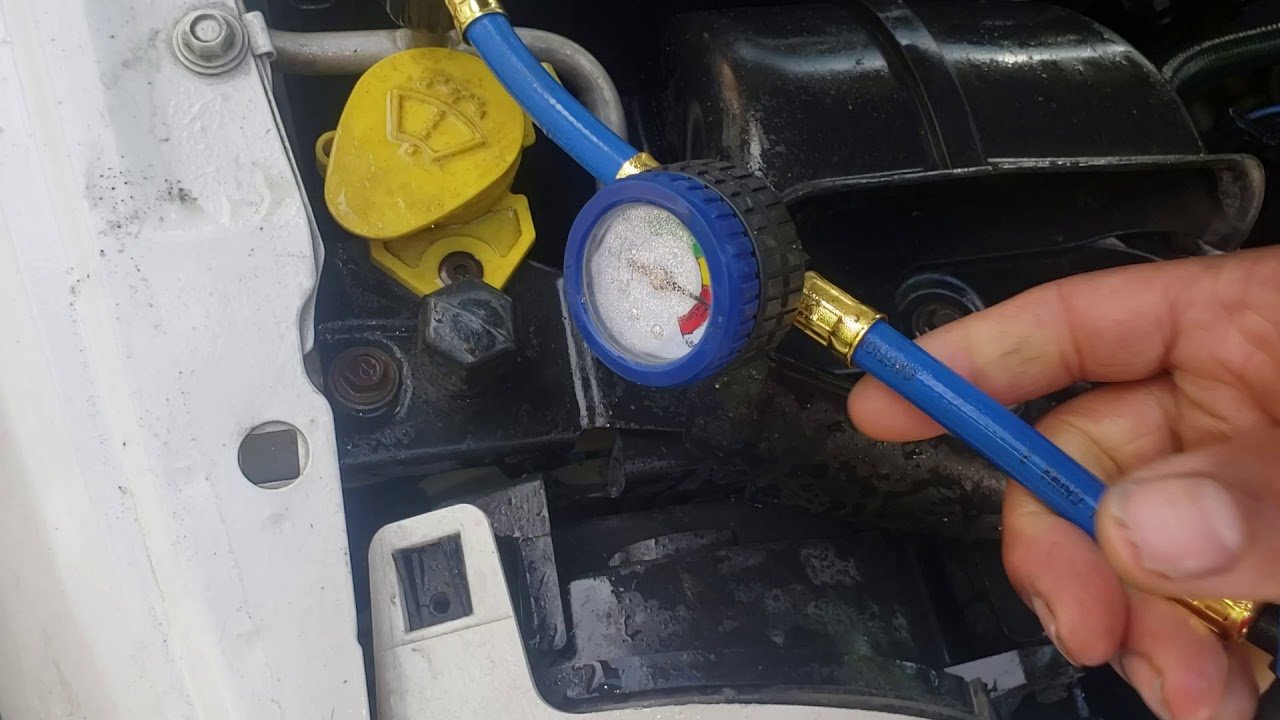
- AC recharge hose with gauge
- Safety glasses and gloves
- Owner’s manual (for AC specs and port location)
Some people skip safety gear, but refrigerant can cause frostbite or eye injury if it leaks. Always protect yourself.
Here’s a quick comparison of common refrigerants used in vehicles:
| Refrigerant Type | Used in Jeep Liberty? | Safety |
|---|---|---|
| R134a | Yes (2002–2012) | Safe if handled correctly |
| R12 | No (older cars only) | Hazardous, banned |
| R1234yf | No (newer models) | Flammable, special care needed |
Step-by-step Guide To Putting Freon In Jeep Liberty
1. Locate The Low-pressure Port
The low-pressure port is the only safe spot to add Freon. On most Jeep Liberty models, it’s near the firewall, on a metal AC line.
Look for a plastic cap labeled “L”. If unsure, your owner’s manual or a quick search can help.
2. Start The Engine And Turn Ac To Max
Your AC must be running at full blast for accurate filling. Set the temperature to cold, fan to high, and open all windows.
3. Check Pressure With The Gauge
Attach the recharge hose to the low-pressure port. The gauge shows the current system pressure. Most Jeep Libertys should read 25–45 psi when the system is off. If pressure is zero, there may be a leak—adding Freon won’t fix leaks.
Here’s a comparison of common AC readings:
| Pressure (psi) | System Status | Action Needed |
|---|---|---|
| 0–10 | Empty or major leak | Seek professional repair |
| 10–25 | Low | Add refrigerant |
| 25–45 | Normal | No action needed |
| 45+ | Overfilled | Release refrigerant (professional only) |
4. Add Freon Slowly
Shake the can. Connect the hose and press the trigger.
Add Freon in short bursts never all at once. Watch the gauge as you add.
If the reading moves into the green zone (usually 35 45 psi), stop. Too much Freon can damage the compressor.
5. Check Cooling Performance
After filling, wait a few minutes. Feel the air from the vents—it should be cold (about 40–50°F at max). If not, or if the gauge shows a strange reading, stop and get help. Overfilling can cause no cooling or even AC failure.
6. Remove The Hose And Replace Cap
Disconnect the hose carefully. Replace the port cap to keep dirt out.
Don’t forget to store your tools and leftover Freon safely.

Tips Most Beginners Miss
- Never add Freon if the system is empty. AC systems need oil and cannot run “dry.”
- Don’t rely only on the gauge color zones. Use the actual psi numbers for accuracy.
- Adding too much Freon is worse than too little. Overcharged AC may stop cooling or damage parts.
Common Mistakes When Adding Freon
Many drivers make these errors:
- Using the wrong port. Only the low-pressure port is safe.
- Overfilling the system. The compressor can fail if overloaded.
- Ignoring leaks. If pressure drops fast, refrigerant escapes through leaks. Fix leaks before refilling.
- Not running the engine. The AC must be on to measure or add Freon.
These mistakes can cost hundreds in repairs. If you’re not confident, consider professional help.
For detailed Jeep Liberty AC specs, check your manual or visit the manufacturer’s site.
How Much Freon Does Jeep Liberty Need?
Most Jeep Libertys hold around 1.5–2 lbs (24–32 oz) of R134a. Overfilling is common—so always check the gauge and never add more than needed.
Here’s a quick reference:
| Model Year | R134a Capacity (oz) | Oil Type |
|---|---|---|
| 2002–2004 | 28 | PAG 46 |
| 2005–2007 | 30 | PAG 46 |
| 2008–2012 | 32 | PAG 46 |
Always check your specific model’s requirements for accuracy.
Safety Precautions
Adding Freon is simple, but safety matters:
- Wear gloves and eye protection
- Work outdoors or in a ventilated area
- Keep refrigerant away from flames
- Don’t breathe vapors
If you feel unsure or notice hissing sounds, stop and call a mechanic.

When To Call A Professional
You should seek expert help if:
- The gauge reads zero (possible big leak)
- The AC still doesn’t cool after adding Freon
- The compressor makes strange noises
- You see oily residue near AC lines
Professional AC service includes leak detection, vacuuming, and correct filling. DIY refill is only for minor low Freon issues.
For official guidance, see the Jeep Owner’s Manual.
Frequently Asked Questions
How Often Should I Add Freon To My Jeep Liberty?
Usually, you don’t need to add Freon unless there’s a leak or the system loses pressure. Well-maintained AC systems can go years without refilling.
Can I Use R134a In All Jeep Liberty Models?
Yes, all Jeep Libertys from 2002–2012 use R134a. Never use older refrigerants like R12—they can damage the system and are illegal.
Is It Safe To Add Freon Myself?
It’s safe if you follow the steps, use the right tools, and wear protection. If unsure, or if the system shows signs of leaks, ask a mechanic.
What If My Ac Stops Working After Adding Freon?
Stop using the system and call a professional. Overfilling or leaks can cause the compressor to shut down. Running it may cause expensive damage.
Why Does My Jeep Liberty Lose Freon Over Time?
Small leaks, worn seals, or age can cause slow loss. If you need frequent refills, get a leak check it’s more cost-effective than adding Freon every year.
With careful steps, you can restore cool air in your Jeep Liberty. Just remember to use the right amount, check pressure, and stay safe.
If problems persist, professional help is always a smart choice.