Getting stuck with a dead Jeep can be stressful, especially if you need to move it but the gear shifter is locked. Maybe you need to tow it, push it into a garage, or get it out of a parking spot.
Many Jeep owners new and experienced find themselves searching for a way to put a dead Jeep in neutral. This guide will show you clear steps, highlight the key differences between models, and share tips that most beginners don’t know.
Why You Might Need Neutral With A Dead Jeep
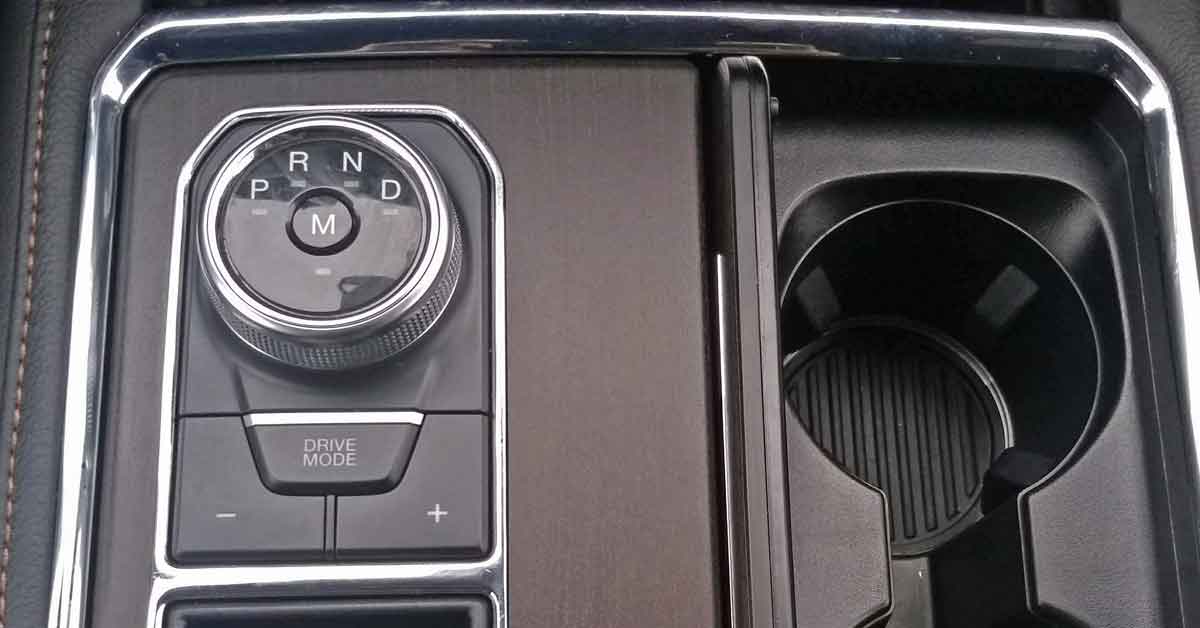
When your Jeep’s battery dies or there’s an electrical failure, the shifter often locks in park. Without the engine running, you can’t simply move the shifter to neutral as usual. Towing companies, Jeep forums, and even official manuals often mention the neutral release, but details can be confusing.

Here’s why neutral is important:
- Towing: Most automatics can’t be towed in park. For safe flat-towing or moving, neutral is required.
- Safety: Pushing a Jeep in park can damage the transmission.
- Convenience: Getting your Jeep out of a tight spot is much easier in neutral.
Understanding Jeep Transmission Types
Jeep models use different transmissions and shifter mechanisms. Knowing your Jeep’s type saves time and avoids mistakes.
| Model | Transmission Type | Neutral Release Location |
|---|---|---|
| Wrangler (JK, JL) | Automatic/Manual | Shifter area or transfer case |
| Cherokee | Automatic | Under shifter cover |
| Grand Cherokee | Automatic | Beside shifter or console |
| Older Models (XJ, TJ) | Manual | Direct shifter movement |
Two things most beginners miss:
- Some models have a special shift interlock override.
- Transfer case neutral is different from transmission neutral—using the wrong one can damage your Jeep.
Step-by-step: How To Put A Dead Jeep In Neutral
The exact method depends on your Jeep model, but these are the most common steps. Always check your owner’s manual if you’re not sure.
For Most Modern Automatic Jeeps (wrangler, Cherokee, Grand Cherokee)
- Turn off the ignition and remove the key.
- Engage the parking brake for safety.
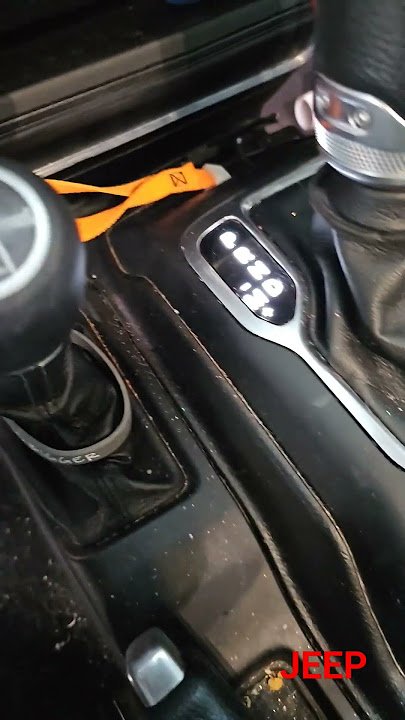
- Find the shift interlock override. Look for a small plastic tab or slot near the shifter. It might be labeled or hidden under a cover.
- Remove the cover using a flathead screwdriver or key.
- Insert a small tool (like a screwdriver) into the slot. Push down firmly.
- Move the shifter to neutral while holding the override.
- Release the parking brake only when you’re ready to move the Jeep.
For Jeep Wranglers With A Transfer Case
Some Wranglers have a manual transfer case shifter next to the main gear shifter.
- Place the main transmission in neutral (if possible).
- Move the transfer case lever to “N” (neutral). This disconnects the wheels from the drivetrain, letting you roll the Jeep.
- If the battery is dead and the shifter is stuck, use the interlock override as above before using the transfer case.
For Older Manual Transmission Jeeps
Manual Jeeps are usually simpler:
- Depress the clutch pedal.
- Move the shifter to neutral.
- If the clutch won’t depress due to a dead battery or other issues, check for a physical interlock near the pedal.
Jeep Neutral Release Locations: Quick Reference
Every Jeep is different. Here’s a handy comparison of neutral release locations for the most common models.
| Jeep Model | Neutral Release Position |
|---|---|
| Wrangler JL (2018+) | In front of shifter, under small cover |
| Grand Cherokee (2011+) | Slot near the right side of shifter |
| Cherokee (2014+) | Under shifter bezel |
| Older Wranglers (TJ, YJ) | No override; use transfer case |
Common Mistakes To Avoid
Many Jeep owners make errors that can damage their vehicle or even cause injury. Here’s what to watch out for:
- Forgetting the parking brake: Your Jeep can roll away unexpectedly.
- Using the transfer case only: On automatics, using transfer case neutral without transmission neutral can lead to transmission damage.
- Forcing the shifter: Never apply excessive force. If it won’t move, look for the override or consult the manual.
- Skipping safety steps: Always secure the Jeep before working under or around it.
- Not checking the owner’s manual: Procedures can change, even within the same Jeep model year.
Practical Tips For A Smooth Neutral Shift
- Carry a flathead screwdriver or a strong key in your glove box for emergencies.
- Practice the neutral override process at home before you actually need it.
- If you tow your Jeep often, consider installing a battery disconnect switch to avoid shifter lock from a dead battery.
- Some Jeep forums and videos offer helpful visuals—just make sure the advice matches your exact model.
When To Get Professional Help
If you’re unsure or the shifter still won’t move, call a tow professional. They have special tools and know how to avoid damaging your Jeep’s transmission. Trying to force the process can result in expensive repairs.
Frequently Asked Questions
How Do I Find The Shift Interlock Override On My Jeep?
Check near the shifter for a small slot or plastic cover. Your owner’s manual will show the exact location.
It’s usually labeled or described in the “emergency shift” section.
Can I Tow My Jeep In Park If The Battery Is Dead?
No. Towing in park can severely damage the transmission.
Always use the neutral override or transfer case neutral before towing.
What’s The Difference Between Transmission Neutral And Transfer Case Neutral?
Transmission neutral disconnects the engine from the wheels. Transfer case neutral (on 4×4 models) disconnects the drivetrain from the wheels. Both are needed for safe towing, but using only one can be risky on automatics.
Is It Possible To Put All Jeep Models In Neutral Without Power?
Most, but not all, can be shifted to neutral using an override. Some very old or modified Jeeps may require special steps.
Check your manual or ask a Jeep dealership if you’re unsure.
Where Can I Find A Video Guide For My Jeep Model?
Many Jeep owners post step-by-step videos on YouTube. For official instructions, visit the Jeep Owner’s Site for model-specific guides.
Getting your dead Jeep into neutral doesn’t have to be a mystery. With a few simple tools, a bit of practice, and the right knowledge, you can avoid damage and save time.
Remember, always prioritize safety, and when in doubt, reach out to a professional.