Getting your 2020 Jeep Wrangler into 4WD can make a big difference when you face tough roads, mud, snow, or even off-road trails. Many drivers, especially new owners, find it confusing to switch between the different 4WD modes. If you want to keep your Jeep running smoothly and stay safe, it’s important to know the correct steps and understand what each mode does.
Here’s a simple guide that explains how to put your 2020 Jeep Wrangler in 4WD, when to use it, and how to avoid common mistakes.
Understanding Your 2020 Jeep Wrangler 4wd System
The 2020 Jeep Wrangler uses a part-time 4WD system with a manual transfer case lever. Most models have four main settings:
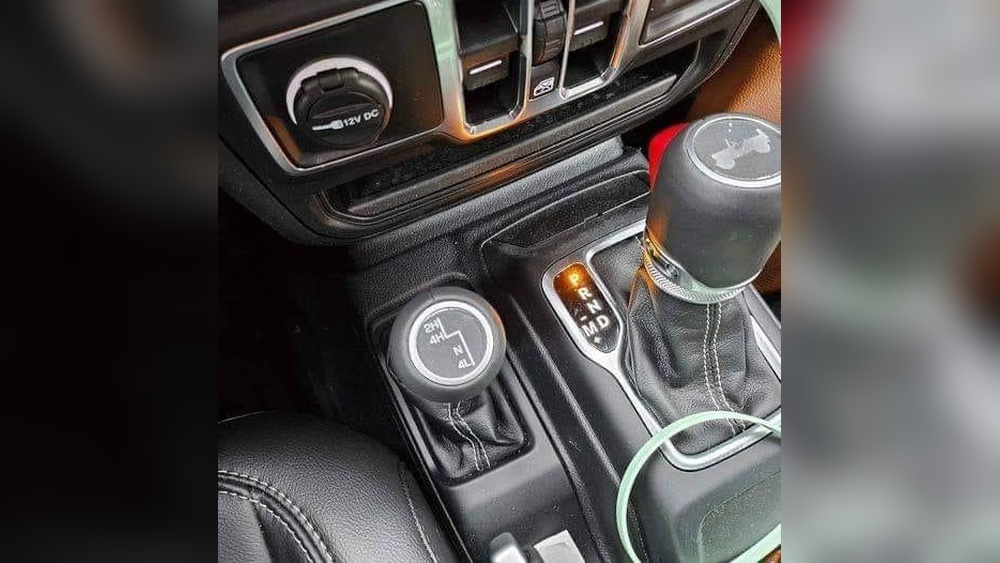
- 2H (Two-Wheel Drive High)
- 4H (Four-Wheel Drive High)
- N (Neutral)
- 4L (Four-Wheel Drive Low)
Some Wranglers have the Selec-Trac system, which adds an Auto mode, but the process is similar. Knowing which mode to use and how to switch can prevent damage to your Jeep’s drivetrain.
2h (two-wheel Drive High)
This is the default mode for everyday driving on dry, paved roads. Only the rear wheels are powered, giving better fuel economy.
4h (four-wheel Drive High)
This mode is for slippery surfaces like rain, snow, sand, or gravel. Power goes to all four wheels, increasing traction.
4l (four-wheel Drive Low)
Used for off-road situations, deep snow, mud, or climbing steep hills. It gives maximum torque at low speeds, but should never be used on dry pavement.
How To Shift Into 4wd In A 2020 Jeep Wrangler
Switching between 2H, 4H, and 4L is simple once you know the steps. Here’s how to do it safely.
Shifting From 2h To 4h
- Slow Down: Drive below 45 mph.
- Keep Moving: Stay in motion, but at a steady speed.
- Firmly Pull the Lever: Move the transfer case lever from 2H straight to 4H.
- Check the Indicator: The 4WD light will turn on in your dashboard.
You can shift between 2H and 4H “on the fly”—no need to stop completely.
Shifting From 4h To 4l
- Bring the Jeep to a Stop: Completely stop your vehicle.
- Put Transmission in Neutral: Move your gear selector to ‘N’.
- Pull the Lever Down: Move the transfer case lever from 4H directly down to 4L in one smooth motion.
- Shift to Drive or Reverse: After shifting, put your transmission back to ‘D’ or ‘R’ as needed.
Never shift into 4L while moving, or force the lever—it can damage your transfer case.
Returning To 2h
- Stop or Move Slowly: Either stop or drive below 3 mph.
- Shift to Neutral: If moving from 4L, always shift the transmission to ‘N’ first.
- Move the Lever Up: Push the transfer case lever up to 2H.
If you hear clunking or grinding, stop and repeat the process smoothly.

When To Use Each 4wd Setting
Not every surface or situation needs 4WD. Using it wrongly can wear out your Jeep’s parts or waste gas.
| Surface/Condition | Best 4WD Mode |
|---|---|
| Dry pavement | 2H |
| Wet/snowy roads | 4H |
| Deep mud/sand | 4L |
| Steep rocky climbs | 4L |
A common mistake is leaving the Jeep in 4H or 4L after the road improves. This can cause drivetrain binding, leading to expensive repairs.
Common Mistakes And How To Avoid Them
Many first-time Jeep owners make errors that can damage their vehicle.
- Switching to 4L While Moving: Always stop and shift to Neutral first.
- Using 4WD on Dry Roads: Only use 4WD on loose, slippery, or uneven surfaces.
- Forcing the Transfer Case Lever: If the lever doesn’t move easily, don’t force it. Sometimes, rolling the Jeep slightly helps the gears mesh.
- Ignoring the 4WD Indicator Light: If the light doesn’t come on, double-check your shift and try again.
Extra Tips For Smooth 4wd Operation
Here are some less obvious points many drivers miss:
- Practice in a Safe Spot: Try shifting between 2H, 4H, and 4L in a quiet parking lot before you need it on the trail.
- Use 4WD Occasionally: Engage 4WD every few months, even if you don’t need it, to keep parts lubricated.
- Check Your Tires: Uneven tire sizes or very different wear can make shifting rougher.
Many drivers are surprised that shifting can sometimes feel stiff, especially in cold weather. This is normal, but if you feel grinding, stop and try again.
4wd Vs. Awd: What’s The Difference?
Some people confuse 4WD and AWD. The 2020 Wrangler uses part-time 4WD, which means you choose when to engage it. AWD (All-Wheel Drive) is always on and adjusts automatically. 4WD systems are stronger for off-road and tough conditions.
| Feature | 4WD (Jeep Wrangler) | AWD |
|---|---|---|
| Driver Control | Manual | Automatic |
| Off-road Ability | Excellent | Moderate |
| Best For | Off-road, snow, mud | Mixed conditions |
For more technical details, the official Jeep owner’s manual is a reliable resource (Jeep Owner’s Manuals).
Frequently Asked Questions
How Fast Can I Drive In 4h?
You can drive up to 45 mph in 4H. It’s not designed for highway speeds. Stick to slower speeds on loose or slippery surfaces.
Can I Shift To 4h While Driving?
Yes, you can shift “on the fly” between 2H and 4H at speeds below 45 mph. Make sure to do it smoothly and avoid sudden movements.
Is It Bad To Use 4wd All The Time?
Yes, using 4WD on dry pavement can cause drivetrain binding and tire wear. Only use it when conditions are slippery or uneven.
What Should I Do If The 4wd Light Flashes?
A flashing 4WD indicator usually means the system hasn’t engaged properly. Try shifting again, and make sure you’re following the correct steps.
Can I Tow In 4l?
No, towing in 4L is not recommended. 4L is for low-speed, high-torque situations like crawling or pulling out of mud, not for regular towing.
Switching your 2020 Jeep Wrangler into 4WD is easy once you understand the system and practice the steps. Use the right mode for the road, shift carefully, and your Jeep will stay strong for years to come. If you ever feel unsure, check your manual or ask a trusted mechanic.
Drive safe and enjoy the adventure!