Jeep vehicles are known for their rugged performance and off-road capability. One key part that makes this possible is the transfer case.
But many Jeep owners struggle to identify which transfer case their vehicle has. This matters because the right information helps with repairs, upgrades, and choosing the correct parts.
If you’re unsure how to identify your Jeep transfer case, this guide will walk you through simple steps, expert tips, and comparison tables to make it clear.

Why Identifying Your Jeep Transfer Case Matters
The transfer case is responsible for splitting power between the front and rear wheels. It affects your Jeep’s 4WD system, handling, and performance. Each transfer case type has unique features, gear ratios, and strengths. Knowing yours helps you:
- Order the right replacement parts
- Diagnose problems accurately
- Upgrade for better off-road capability
- Avoid costly mistakes
Many beginners believe all Jeep transfer cases are the same. In reality, there are several models, each with specific uses and features.
Main Jeep Transfer Case Models
There are several common Jeep transfer case models. Here are the most popular ones:
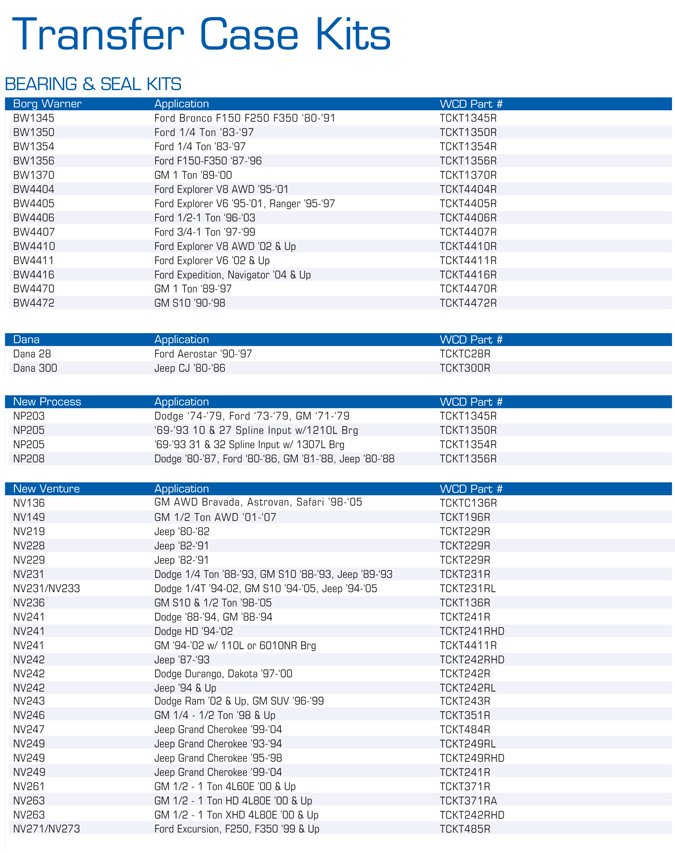
- NP231 – Used in many Jeep Wranglers (YJ, TJ). Known for reliability and light weight.
- NP242 – Found in Jeep Cherokee and Grand Cherokee. Offers full-time and part-time 4WD.
- NP249 – Used in early Grand Cherokees. Features full-time 4WD with a viscous coupler.
- NP241 – Used in Jeep Wrangler Rubicon. Stronger and has a lower gear ratio.
- NP208 – Found in older Jeep trucks and SUVs.
Each model fits certain years and Jeep types. Here’s a quick comparison:
| Model | Years Used | Main Features |
|---|---|---|
| NP231 | 1987–2006 | Part-time 4WD, light weight |
| NP242 | 1987–2004 | Full/part-time 4WD, smooth shifting |
| NP249 | 1993–1998 | Full-time 4WD, viscous coupler |
| NP241 | 2003–present | Low gear ratio, strong |
| NP208 | 1980s | Chain-driven, durable |
How To Identify Your Jeep Transfer Case
Identifying your transfer case involves checking several clues. Here’s how you can do it:
1. Check The Id Tag
Most Jeep transfer cases have an identification tag or sticker. This is usually located on the rear or side of the case. The tag shows the model number, manufacturer, and sometimes the gear ratio.
- Look for the tag near the rear output shaft.
- Clean off any dirt or grime to read it clearly.
- Write down the model number for reference.
2. Analyze The Shape And Features
The shape and features of the transfer case help you identify it. For example:
- NP231 is compact with a round rear output.
- NP242 has extra switches and wiring for full-time 4WD.
- NP249 often has a large, sealed viscous coupler.
Compare the physical details with descriptions from Jeep manuals or trusted sources.
3. Count The Shift Positions
Your transfer case shifter will show different positions. These tell you what type you have:
- NP231: 2H, 4H, N, 4L
- NP242: 2H, 4H Full-Time, 4H Part-Time, N, 4L
- NP249: 4H, N, 4L
This information is found on the shift lever or inside the owner’s manual.
4. Match By Vehicle Year And Model
Jeep used specific transfer cases for certain models and years. Here’s a quick guide:
| Jeep Model | Years | Transfer Case |
|---|---|---|
| Wrangler YJ | 1987–1995 | NP231 |
| Wrangler TJ | 1997–2006 | NP231 |
| Cherokee XJ | 1984–2001 | NP231 or NP242 |
| Grand Cherokee ZJ | 1993–1998 | NP249 |
| Wrangler Rubicon | 2003–present | NP241 |
5. Use Online Vin Decoders
Your Vehicle Identification Number (VIN) can reveal which transfer case is installed. Enter your VIN in an online decoder or Jeep database. Some official Jeep websites provide this service.
6. Inspect The Output Shafts
Transfer cases have different output shaft designs:
- NP231: 27-spline output
- NP241: 32-spline output
The spline count affects compatibility with driveshafts and upgrades. Measure the shaft or check specifications online.
Non-obvious Insights For Beginners
Many Jeep owners miss these details:
- The transfer case tag may be covered by mud, oil, or rust. Always clean the area well before searching for the tag.
- Not all shift levers are original. If your Jeep had modifications, check under the vehicle instead of trusting just the shift knob markings.
- Some models (like NP249) can be swapped for other types if you want better performance or reliability. This is called a transfer case swap.

Common Mistakes To Avoid
- Assuming all Jeeps of the same model year use the same transfer case. Always check the tag or VIN.
- Buying parts based only on shift lever markings. Confirm the actual model first.
- Ignoring spline count when upgrading driveshafts.
- Not considering previous owner modifications; some Jeeps have swapped cases.
Practical Example
Suppose you own a 1998 Jeep Cherokee XJ. You see “2H, 4H, N, 4L” on your shift lever. Checking the tag, you find “NP231”. Your transfer case is NP231, which means you need parts compatible with this model. If you want to upgrade, you can consider NP242 for full-time 4WD.

Comparison: Np231 Vs Np242
Here’s a side-by-side look at two popular cases:
| Feature | NP231 | NP242 |
|---|---|---|
| 4WD Modes | Part-time | Full-time & part-time |
| Strength | Good for light off-road | Better for mixed driving |
| Common Problems | Chain stretch | Internal switches |
When To Seek Expert Help
If you’re still unsure, a trusted mechanic or Jeep specialist can help. They will inspect the vehicle, check the tag, and verify the details. For more technical info, visit Wikipedia.
Frequently Asked Questions
How Do I Find My Jeep Transfer Case Tag?
The tag is usually on the rear or side of the transfer case. Clean the area and look for a metal plate or sticker with numbers.
Can I Swap My Jeep Transfer Case For A Different Model?
Yes, many Jeep owners swap transfer cases to improve performance or reliability. Make sure the new case fits your driveshaft and mounting.
What Is A Viscous Coupler In Jeep Transfer Cases?
A viscous coupler is a device in some cases (like NP249) that helps smooth power transfer between wheels. It can wear out over time.
Does The Vin Reveal My Transfer Case?
In many cases, yes. Enter your VIN on a Jeep website or decoder to see factory-installed parts, including the transfer case.
Why Is The Spline Count Important?
The spline count affects which driveshafts fit your transfer case. Always check before ordering parts or upgrading.
Identifying your Jeep transfer case is essential for repairs and upgrades. With the right steps and knowledge, you can avoid mistakes and keep your Jeep running strong.
Whether you’re a beginner or experienced owner, checking tags, shift positions, and splines will help you confidently identify your transfer case.